Spring Beauty
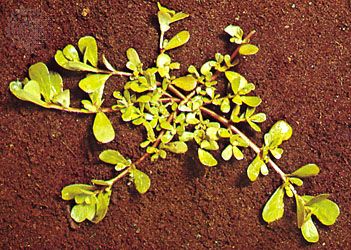
The term "spring beauty" refers to several species of perennial plants in the purslane family.
What is spring beauty?
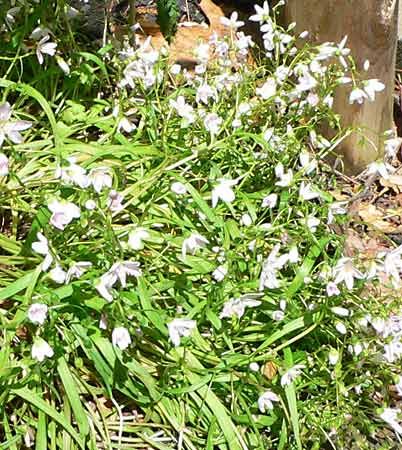
The term “spring beauty” refers to several species of perennial plants in the purslane family.
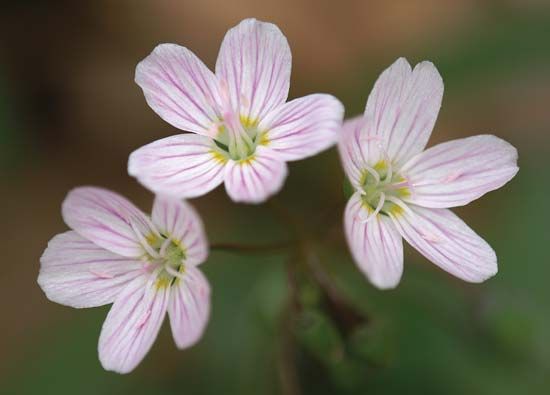
The most common reference is Claytonia virginica, a small, succulent plant native to eastern North America. It typically grows up to 30 cm (12 inches) from a globose corm and features narrow leaves with delicate white flowers that are often tinged with pink. It is frequently cultivated in moist, shady areas of rock gardens.1
Additionally, the name is applied to Claytonia tuberosa, also known as the Eskimo potato. This species is found in Alaska and at high elevations in western North America. Unlike its eastern relative, it is notable for its starchy, edible tuberous root and clusters of rosy flowers.2
What are some other common spring-flowering perennials?
Beyond the spring beauty, many other herbaceous perennials are popular for their early-season blooms. These plants typically survive the winter by storing energy in underground structures like bulbs, corms, tubers, or rhizomes, allowing them to emerge as soon as conditions improve.3
One notable example is the crocus, a member of the iris family that grows from a corm. There are approximately 75 species of crocus, many of which are prized for their cuplike blooms that appear in early spring, often enduring cold and rain.4
Other common garden perennials that provide structure and color to the landscape include:
While these plants have limited flowering periods, they contribute a leafy presence to the garden throughout the growing season with proper maintenance.3
How do plants store energy in corms or tubers?
Plants store energy in corms and tubers primarily as starches, which are complex carbohydrates composed of glucose units. These structures serve as vital energy reserves that allow plants to survive unfavorable conditions, such as drought or extended winters, and fuel rapid growth when favorable conditions return.56789
Storage Mechanisms
- Cellular Storage: Energy is stored within specialized cells known as parenchymatous cells. These cells contain nearly spherical starch granules, which are typically a mixture of two polysaccharides: amylose and amylopectin.7
- Structural Differences:
- Corms: These are short, vertical, fleshy underground stems. They are often covered by a fibrous tunic and feature a basal plate from which roots emerge.56
- Tubers: These are thickened, modified stems that grow underground. Unlike corms, they are not covered by a tunic and typically bear “eyes,” which are buds capable of developing into new plants.89
By accumulating these starch reserves, plants ensure they have the necessary fuel to support their metabolic needs during dormancy and to initiate new growth cycles.5710
What role do spring wildflowers play in their ecosystems?
Spring wildflowers serve as essential components of their ecosystems, acting as primary sources of food and energy for various animals emerging from winter dormancy.11
Key Ecological Roles
- Pollination Services: Wildflowers provide nectar and pollen, which are vital for the survival of bees and other pollinators. In return, these insects facilitate cross-pollination, ensuring the reproduction of many plant species.1213
- Food Web Support: These plants are often the first available resources for insects and migratory birds returning to their ranges. The timing of these blooms is critical; when plants emerge too early due to climate change, it can lead to a “phenological mismatch,” where animals arrive or emerge before their food sources are available, threatening both the plants’ reproductive success and the survival of the animals that depend on them.11
- Coevolutionary Relationships: Many plants and their pollinators have coevolved, developing specialized physical and behavioral adaptations—such as specific flower shapes, colors, and fragrances—to ensure efficient resource exchange.1213
Sources
- spring beauty — Encyclopædia Britannica
- Eskimo potato — Merriam-Webster
- 12 Words for Signs of Spring | Crocus — Merriam-Webster
- Perennial — Encyclopædia Britannica
- Corm — Encyclopædia Britannica
- Angiosperm - Shoot system modifications — Encyclopædia Britannica
- Root vegetable — Encyclopædia Britannica
- Carbohydrate - Role in energy storage — Encyclopædia Britannica
- Tuber — Encyclopædia Britannica
- Plant development - Seasonal adaptations — Encyclopædia Britannica
- The Perils of an Early Spring — Encyclopædia Britannica
- Pollination - Bees — Encyclopædia Britannica
- Major types of pollinators - Bees — Encyclopædia Britannica
Published on · 3 min read