Betel
It is a common misconception that the betel plant and the areca nut are the same; in reality, they are two distinct, unrelated plants used together to create…
How does the betel plant differ from the areca nut, which is often confused with it?
It is a common misconception that the betel plant and the areca nut are the same; in reality, they are two distinct, unrelated plants used together to create a betel quid.12
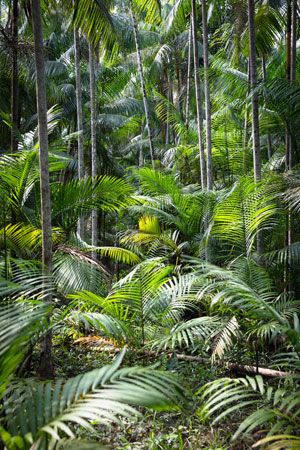
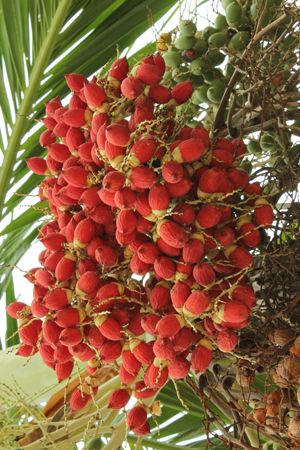
The areca nut (also called the betel nut) is the seed of the betel palm (Areca catechu), a member of the Arecaceae family. This palm grows as a tall, slender tree reaching up to 15 meters. The nut itself is the hard seed found within the fruit of this palm.1
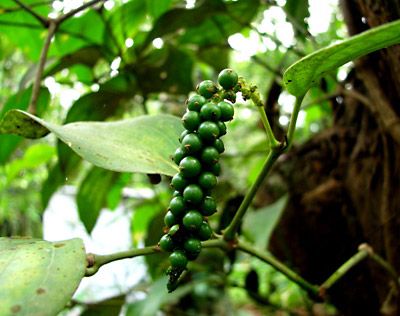
In contrast, the betel pepper (Piper betle) is an evergreen vine belonging to the Piperaceae family. It is characterized by heart-shaped leaves, which are used as a wrapper for the areca nut and slaked lime to form the final quid.12
While both are central to the practice of betel chewing, they are botanically unrelated and serve different roles in the preparation. Because this habit is linked to serious health risks, including oral and esophageal cancer, it is important to be aware of these significant medical concerns.12
How is the betel plant used traditionally in various cultures?
The use of the betel plant is deeply embedded in the cultural traditions of southern Asia and the East Indies, where it is primarily consumed as a betel quid, known in India as paan.34
Cultural and Traditional Use
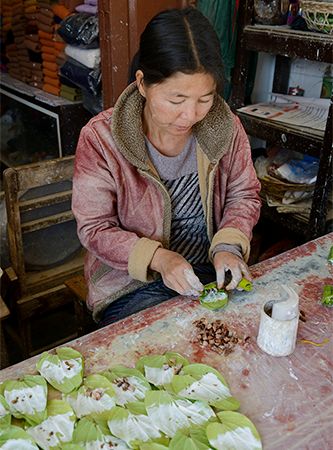
- Preparation: A quid is created by wrapping a piece of areca palm seed (the betel nut) in a leaf of the betel pepper vine, along with slaked lime. Additional ingredients like cardamom, turmeric, or red katha paste may be added for flavor.314
- Social and Culinary Role: In India, paan is traditionally served as an after-dinner treat or a mouth freshener. It is available in various forms, including meetha (sweet) varieties or those containing chewing tobacco.14
- Effects: The practice acts as a stimulant and is considered the world’s fourth most common psychoactive drug. It is valued by users for the sensations of mild euphoria it provides.34
Health and Public Concerns
While culturally significant, the practice is linked to serious health risks, including oral and esophageal cancer. Furthermore, the habit is often viewed as a public nuisance due to the staining of sidewalks by the user’s red saliva, leading some governments to implement bans or fines.314
What are the potential health risks of long-term betel use?
Long-term use of betel quid is associated with significant health risks, making it a subject of increasing concern for global health officials.31
The primary medical risks identified with regular use include:
- Cancer: The practice is strongly linked to the development of oral cancer and esophageal cancer.31
- Addiction: Betel chewing is addictive, as it releases stimulating alkaloids that provide sensations of mild euphoria. It is considered the world’s fourth most common psychoactive drug, with effects similar to nicotine.31
- Physical Effects: Regular users often experience permanent staining of the teeth, lips, and gums, which turn an orange-brown color due to the production of red saliva.31
Given these serious health implications, it is essential to recognize the dangers posed by this habit. Some governments have responded by attempting to ban or limit the sale of betel quid, particularly those varieties that include chewing tobacco.1
How is betel cultivated and what are the ideal growing conditions for the plant?
The term “betel” refers to two distinct plants used together in the preparation of a betel quid: the betel palm (Areca catechu) and the betel pepper vine. Their cultivation requirements differ significantly:
Betel Palm (Areca catechu)
The betel palm is a slender, unbranched tree that grows to heights of 12–15 meters (40–50 feet). It is primarily cultivated in tropical regions, including India, Sri Lanka, Thailand, Malaysia, and the Philippines. The tree produces fruit about the size of a small hen’s egg, which contains the hard seed known as the betel nut.13
Betel Pepper (Piper betle)
The betel pepper is an evergreen vine characterized by heart-shaped leaves. Unlike the palm, it requires specific environmental conditions:
- Shade and Climate: It thrives in shady, tropical conditions.1
- Propagation: The plants are dioecious, meaning they are either male or female. Male plants are cultivated more frequently and are propagated asexually through cuttings.1
- Postharvest Challenges: The leaves are highly susceptible to rapid spoilage and postharvest disease, which often results in significant losses for farmers.1
Sources
- Betel — Encyclopædia Britannica
- areca nut — Merriam-Webster
- 9 Mind-Altering Plants - Betel nut ( Areca catechu ) — Encyclopædia Britannica
- paan — Encyclopædia Britannica
Published on · 4 min read