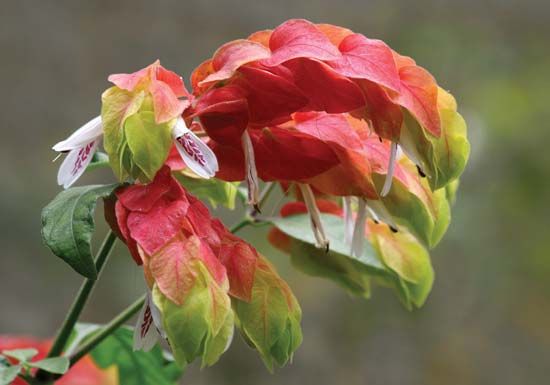
Bignoniaceae
The Bignoniaceae family, often called the trumpet creeper or catalpa family, consists of approximately 800 species of woody trees, shrubs, and vines. These…
What are some well-known examples of plants from the Bignoniaceae family?
The Bignoniaceae family, often called the trumpet creeper or catalpa family, consists of approximately 800 species of woody trees, shrubs, and vines. These plants are primarily found in tropical regions, though some species inhabit temperate zones.12
Well-known examples of plants within this family include:
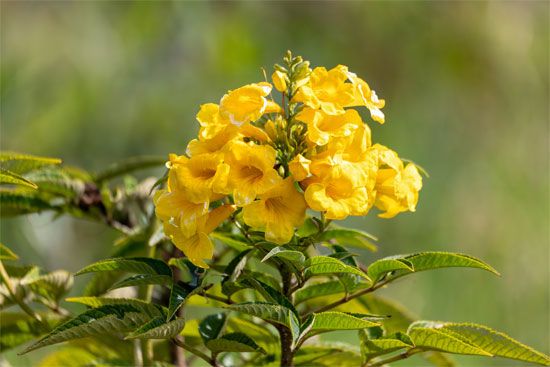
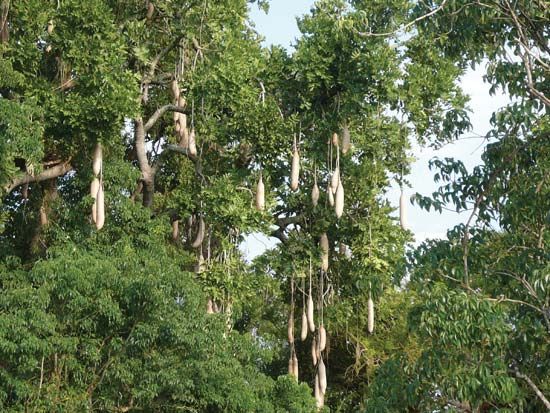
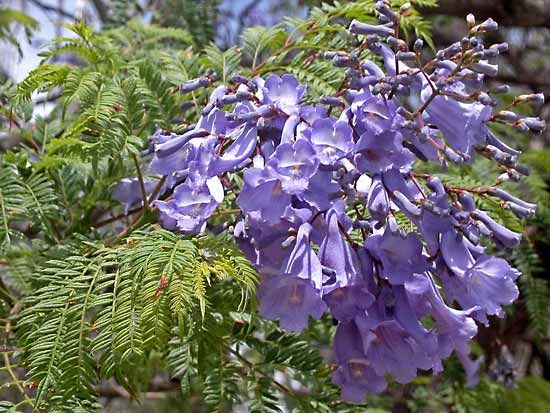
- Ornamental and Flowering Trees: The African tulip tree, jacaranda, calabash tree, sausage tree, and flowering willow are widely recognized for their showy blooms.13
- Vines and Shrubs: Common examples include the trumpet creeper, cross vine, cat’s claw, and Cape honeysuckle.1
- Temperate Species: The catalpa tree is a notable member found in temperate regions.1
- Timber Producers: The genus Tabebuia includes many species known as trumpet trees, which are valued for their high-quality timber.1
In which regions of the world are Bignoniaceae plants primarily found?
Plants in the Bignoniaceae family are primarily found in tropical regions of the world, with a smaller number of species inhabiting temperate zones.21
Within the tropics, these plants are most concentrated in:
Because of their prevalence as climbing vines, they serve as a significant component of tropical forest ecosystems. While the family is predominantly tropical, a few notable genera, such as catalpa and trumpet creeper, have adapted to temperate climates.14
How many genera and species are included in the Bignoniaceae family?
The Bignoniaceae family, also known as the trumpet creeper or catalpa family, comprises approximately 110 genera and more than 800 species of flowering plants. These plants are primarily woody, consisting of trees, shrubs, and a large number of climbing vines that play a vital role in tropical forest ecosystems.1
What role do Bignoniaceae plants play in their native ecosystems?
Plants in the Bignoniaceae family play several important roles within their native ecosystems, primarily as structural components and participants in complex biological interactions. As woody plants—including trees, shrubs, and lianas—they contribute significantly to the architecture of tropical forests.2
Their ecological functions include:
- Nectar Production: Many species feature nectaries on their stems, leaves, or flowers, which provide essential resources for various insects and other visitors.2
- Seed Dispersal: The family exhibits diverse reproductive strategies. Many species produce flattened, winged seeds adapted for wind dispersal. Others produce large, leathery berries; while some of these were historically dispersed by large mammals that are now extinct, elephants continue to serve as vital seed dispersers for certain African species today.2
- Timber Production: Certain genera, such as Tabebuia, are ecologically and economically significant for their production of high-quality timber.2
These plants demonstrate a remarkable ability to adapt to their environments, ranging from the dense growth of tropical lianas to the survival strategies of temperate-region members like the trumpet vine and catalpa.2
Sources
- Bignoniaceae — Encyclopædia Britannica
- Bignoniaceae — Merriam-Webster
- jacaranda — Encyclopædia Britannica
- Lamiales - Bignoniaceae — Encyclopædia Britannica
- Begoniaceae — Encyclopædia Britannica
- seed - Self-dispersal — Encyclopædia Britannica
Published on · 2 min read