Biogeographic Region
Studying biogeographic regions is essential to conservation because it provides a framework for understanding the distribution of life and the historical…
What is the importance of studying biogeographic regions in conservation efforts?
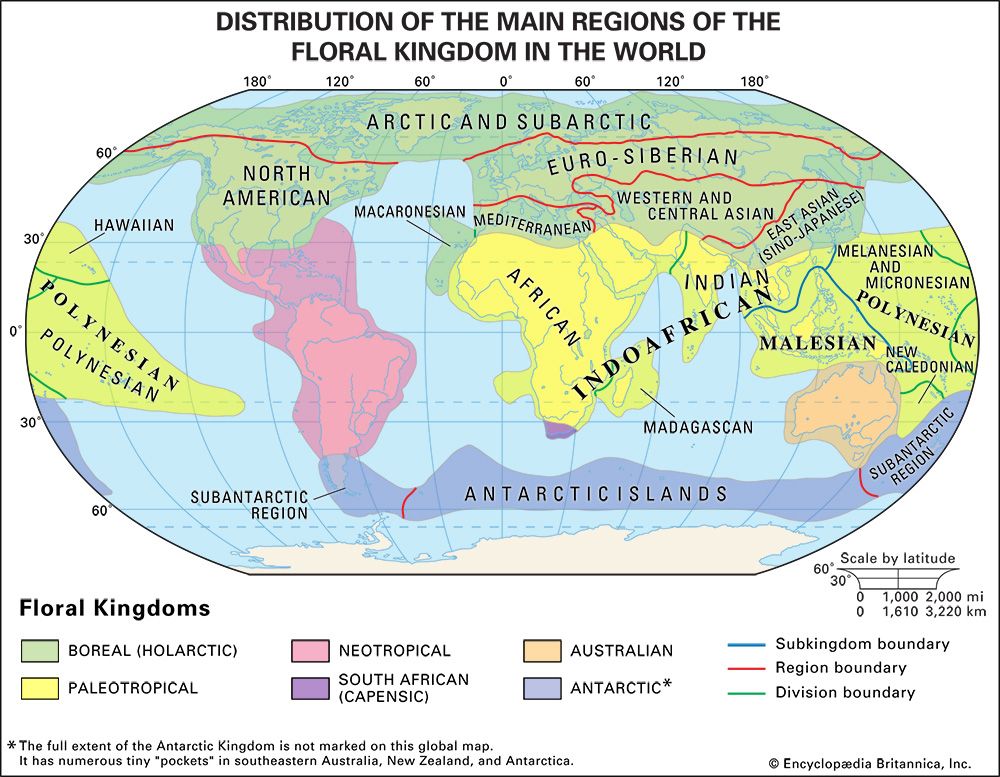
Studying biogeographic regions is essential to conservation because it provides a framework for understanding the distribution of life and the historical factors—such as continental drift and past climates—that shape current biodiversity. By dividing the Earth into regions based on shared flora and fauna, scientists can better identify unique ecological communities and the specific environmental needs of the species within them.12
This understanding is critical for systematic conservation strategies, such as the identification of biodiversity hot spots. These regions, which host high numbers of endemic species but face significant habitat loss, allow conservationists to prioritize areas where protection efforts can most effectively prevent large-scale extinctions. Furthermore, comparing these regions helps experts evaluate species richness and habitat rarity, guiding international cooperation to create protected areas and conservation corridors. Ultimately, this approach ensures that conservation actions are grounded in the evolutionary and geographic realities of the planet’s diverse ecosystems.32
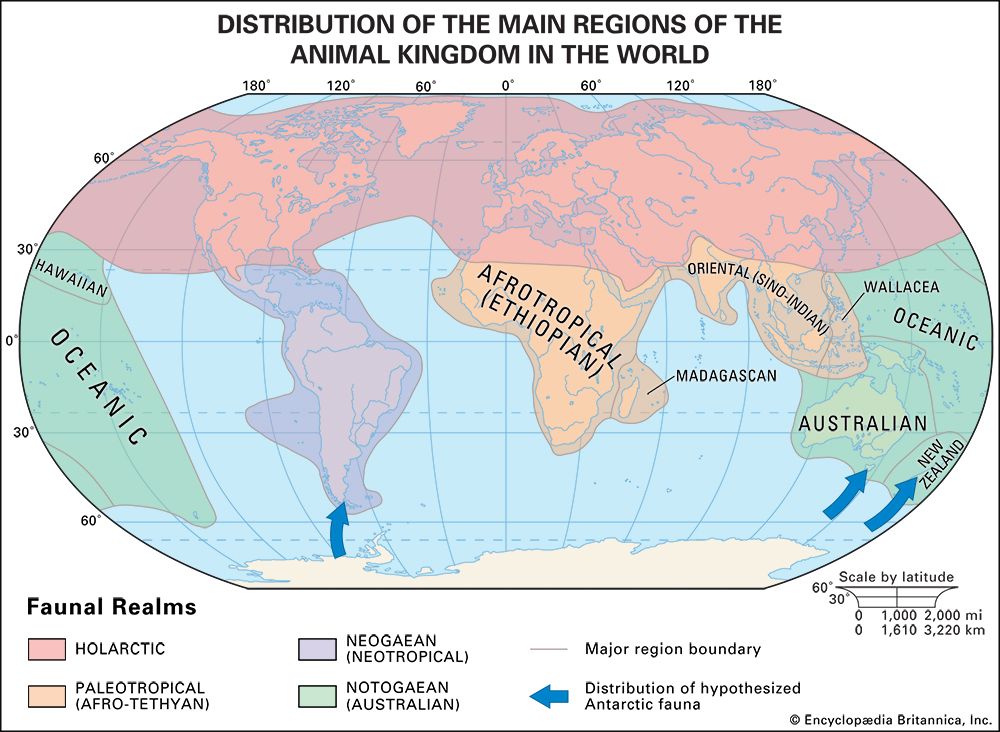
How do biogeographic regions differ from other types of geographic classifications?
Biogeographic regions differ from other geographic classifications, such as biomes, primarily in their focus on historical and evolutionary context rather than just current environmental conditions.1
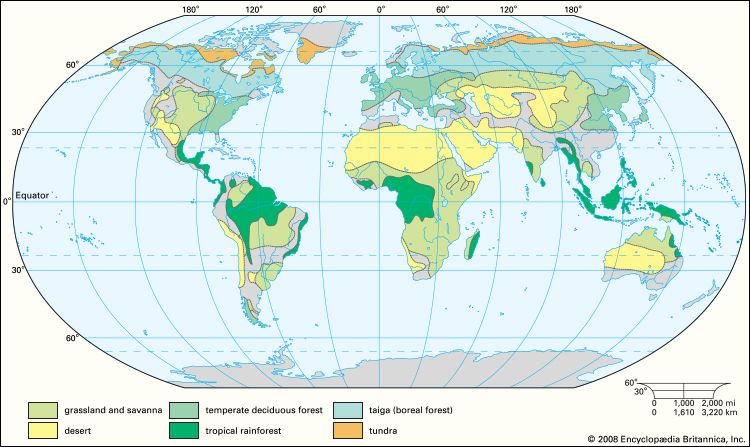
- Biomes vs. Biogeographic Regions: Biomes are defined by similar climatic and geologic conditions that support species with analogous life strategies and adaptations. While different tropical forests across the globe are part of the same biome, they contain different species that are merely ecologically equivalent. In contrast, biogeographic regions are defined by the actual distribution of specific flora and fauna, reflecting historical factors like continental drift and past climates that dictate why certain species exist in specific areas.1
- Basis of Classification: Biogeographic regions are often determined by endemism—the presence of unique taxa confined to a specific area—or by calculating the degree of biotic similarity between regions.5
- Utility: Unlike purely descriptive geographic maps, these regions serve as a tool to hypothesize about evolutionary processes, dispersal mechanisms, and the impact of ancient geologic events on modern biodiversity.6
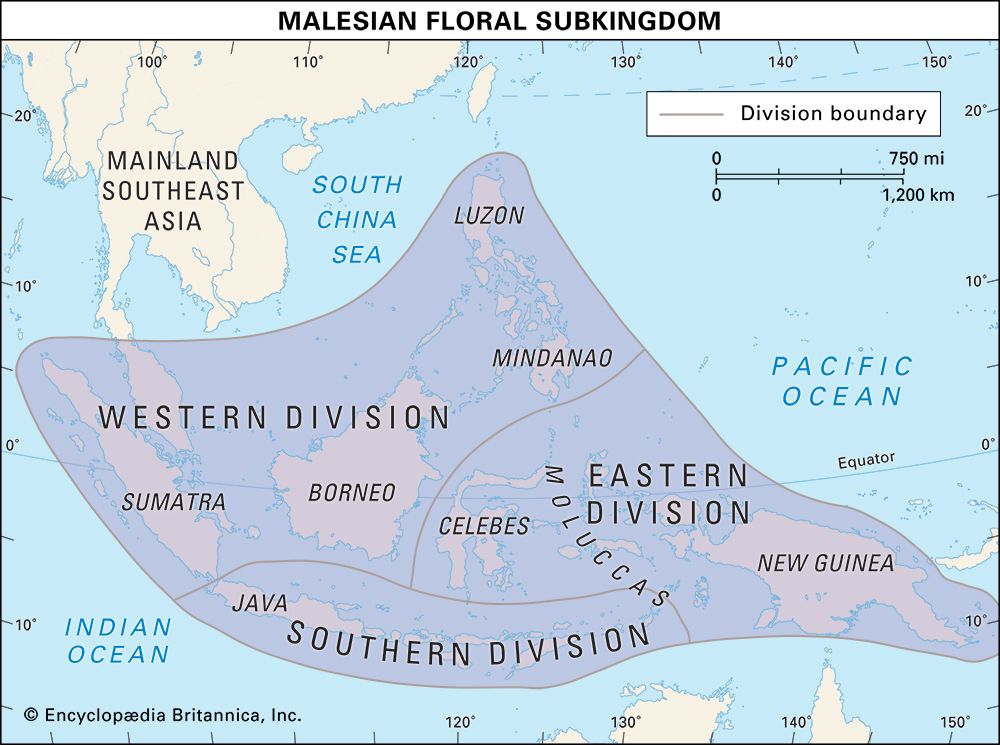
What role do endemic species play in defining biogeographic regions?
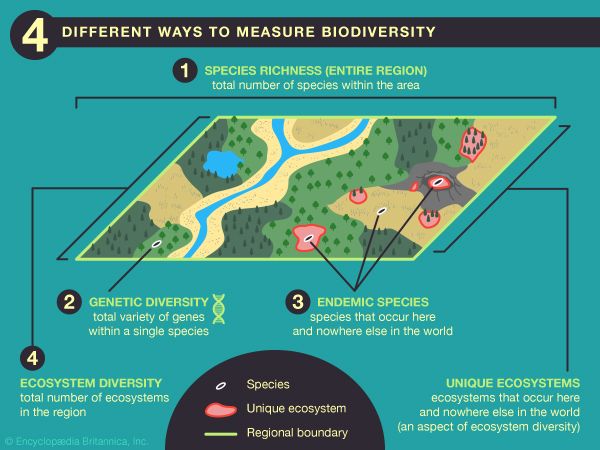
Endemic species—taxa whose distribution is confined to a specific geographic area—are fundamental to defining biogeographic regions. Historically, the boundaries of these regions were established by mapping the distributions of various taxa; lines were drawn where the outer boundaries of many species coincided, effectively grouping areas that share the fewest taxa with others.5
The role of endemic species in this classification includes:
- Defining Boundaries: Major biogeographic units, such as kingdoms and realms, are identified by their high levels of endemism. A region is considered distinct if it contains a unique collection of species not found elsewhere.5
- Prioritizing Conservation: The presence of endemic species is a primary criterion for identifying biodiversity hot spots. These areas are prioritized for protection because they host irreplaceable, unique life forms that are often highly vulnerable to extinction due to their specialized adaptations to specific habitats.72
- Quantifying Similarity: Modern approaches use the degree of biotic similarity between regions to refine these boundaries, often calculating how many taxa are unique to a specific area versus those shared with neighboring regions.5
How do factors like climate, geology, and evolutionary history influence biogeographic regions?
Biogeographic regions are defined by the complex interplay of current environmental conditions, geologic history, and evolutionary processes. While biomes are categorized by similar climatic and geologic features that support ecologically equivalent species, biogeographic regions reflect the historical and evolutionary context of flora and fauna distribution.18
The Influence of Key Factors
- Geologic History: Plate tectonics and the movement of continents are primary drivers of biotic distribution. The fragmentation of supercontinents like Pangaea and Gondwana isolated populations, leading to unique evolutionary paths. For example, Australia’s long-term isolation since the Eocene Epoch explains its highly distinct biota.9
- Climate: Present-day climate influences dispersal and survival, but historical climatic shifts—such as past glacial periods—have also shaped modern ranges. Species often show disjunct distributions because they were once connected by past climatic corridors that no longer exist.103
- Evolutionary History: The age of a taxon, its rate of dispersal, and its ability to adapt to environmental changes determine its current range. Biogeographers use these patterns to test hypotheses regarding vicariance (fragmentation by barriers) versus dispersalist models of evolution.86
Sources
- biogeographic region — Encyclopædia Britannica
- hot spot — Encyclopædia Britannica
- biogeography — Encyclopædia Britannica
- biogeographic region - Species adaptations to ecological habitats — Encyclopædia Britannica
- biogeographic region - Endemism — Encyclopædia Britannica
- biogeographic region - The distribution boundaries of flora and fauna — Encyclopædia Britannica
- endemic species — Encyclopædia Britannica
- plate tectonics - Life — Encyclopædia Britannica
- Climate change - Millennial and multimillennial variation — Encyclopædia Britannica
- Climate change - Phanerozoic climates — Encyclopædia Britannica
- biogeographic region - Dispersalist and vicariance biogeography — Encyclopædia Britannica
- biogeographic region - History — Encyclopædia Britannica
- biogeographic region - The effects of geologic changes on biotic distributions — Encyclopædia Britannica
Published on · 3 min read