Natural Resource
A natural resource is any biological, mineral, or aesthetic asset provided by nature without human intervention that offers a material or immaterial benefit.…
What is natural resource?
A natural resource is any biological, mineral, or aesthetic asset provided by nature without human intervention that offers a material or immaterial benefit. Because these assets are essential for survival and development, societies often implement natural resource management to regulate their use and ensure ongoing access.12
Natural resources are generally categorized by their ability to regenerate:
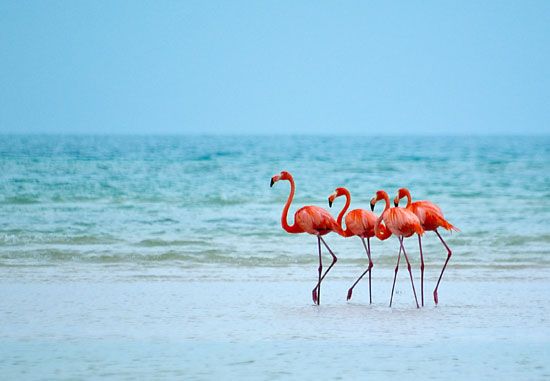
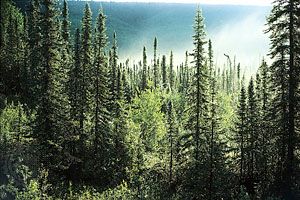
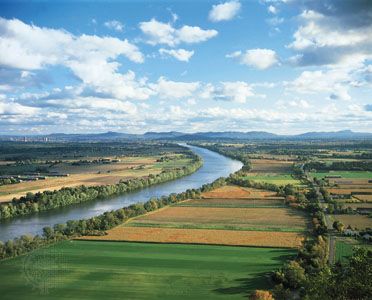
- Renewable resources: These can replenish themselves on human timescales, such as forests, water, and various forms of renewable energy like solar and wind power. Management of these resources focuses on balancing exploitation with regenerative capacity.132
- Nonrenewable resources: These are finite assets, such as petroleum, natural gas, and minerals, which do not replenish on human timescales. Their use is typically governed by natural resources law rather than management schemes.132
What is the difference between renewable and non-renewable resources?
The primary difference between renewable and non-renewable resources lies in their ability to replenish themselves on human timescales.51
Renewable Resources
Renewable resources are derived from sources that are naturally and continually replenished. Because they can regenerate, their management focuses on balancing human exploitation with the resource’s natural capacity to recover. Examples include:1467
- Solar power and wind power14
- Hydroelectric power from flowing rivers1
- Geothermal energy and biomass1
Non-renewable Resources
Non-renewable resources are finite assets that cannot be replaced once they are consumed, as they require millions of years to form. Because they do not replenish within a human lifetime, their use is typically governed by natural resources law rather than regenerative management schemes. Examples include:516
- Fossil fuels such as coal, petroleum, and natural gas14
- Nuclear fuels like uranium, which are finite and not replenished1
- Certain minerals5
While renewable energy is often referred to as “clean energy” due to its lower environmental impact, the combustion of non-renewable fossil fuels is a major contributor to global warming and air pollution.14
How does the resource curse affect a country’s economy?
The “resource curse,” also known as the “paradox of plenty” or “resource trap,” refers to a phenomenon where countries with abundant natural resources experience economic stagnation, instability, and underperformance compared to nations with fewer resources.3
Economic Impacts
The resource curse affects an economy through several interconnected channels:
- Dutch Disease: A windfall in one sector (such as oil or minerals) can cause the local currency to appreciate, making other export industries less competitive internationally. This often leads to a decline in manufacturing and other non-extractive sectors.3
- Market Volatility: Economies become heavily dependent on the global price of a single commodity. Because these prices are volatile and set by international markets, countries are vulnerable to boom-and-bust cycles.38
- Structural Imbalances: A wealth gap often emerges between workers in the extractive sector and those in other industries. Furthermore, the focus on a single resource can lead to the neglect of broader economic diversification.3
- Political and Social Instability: Resource wealth can foster corruption, authoritarianism, and, in some cases, violent conflict. Leaders may siphon off profits, eroding trust and hindering long-term development.3
Overcoming the Curse
History demonstrates that the resource curse is not inevitable. Successful nations, such as Norway, Botswana, and the United Arab Emirates, have mitigated these risks by:39
- Diversifying the economy: Investing windfall profits into sectors like technology, tourism, and finance.39
- Strategic Saving: Establishing sovereign wealth funds to manage revenue and stabilize the economy.3
- Governance: Implementing strict rule of law and anti-corruption measures to ensure resources benefit the broader population.3
What are some examples of natural resource management?
Natural resource management involves balancing the exploitation of renewable assets with their natural capacity to regenerate, ensuring their availability for future generations. Because these resources are essential for survival and development, societies employ various scientific and regulatory strategies to manage them.1107
Examples of Natural Resource Management
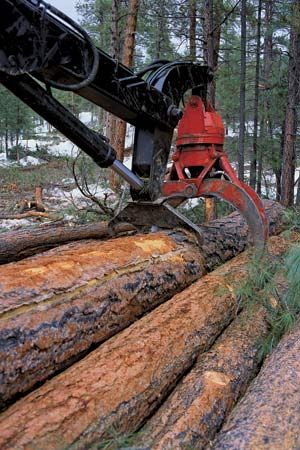
- Sustained-Yield Forestry: This approach manages forests to ensure a continuous supply of timber. By calculating growth rates and balancing them against losses from fire, disease, or harvesting, foresters determine a “rotation” period—the age at which trees are harvested and replaced. This allows for indefinite harvesting of products like pulpwood or lumber.11
- Maximum Sustainable Yield (MSY) in Fisheries: MSY is a regulatory tool based on population dynamics. It identifies the peak level of harvesting that a population can sustain before the negative effects of reduced numbers outweigh the natural reproduction rate. By keeping harvests below this threshold, managers ensure the population remains healthy and productive over the long term.7
- National Parks and Protected Areas: These areas are set aside by governments to preserve the natural environment, wildlife, and scenic landscapes. Management often involves resolving the “paradox” of tourism: allowing public access for recreation while strictly regulating human interaction to prevent the molestation or degradation of the ecosystem.12
- Water Management in Agriculture: To maintain high-quality crop production, growers use precise irrigation and drainage techniques. Methods such as trickle irrigation, sprinkler systems, and subsurface drainage allow for the careful control of soil moisture, ensuring that water resources are used efficiently regardless of local climate conditions.2
Sources
- natural resource — Encyclopædia Britannica
- natural resource management — Encyclopædia Britannica
- Dutch disease and the resource curse: Paradoxes of plenty — Encyclopædia Britannica
- renewable energy — Encyclopædia Britannica
- nonrenewable — Merriam-Webster
- renewable energy: Top Questions — Encyclopædia Britannica
- natural resource management - Conceptual approaches to natural resource management — Encyclopædia Britannica
- Dutch disease and the resource curse: Paradoxes of plenty: Top Questions — Encyclopædia Britannica
- commodity trade - Effect on economic development — Encyclopædia Britannica
- forestry - Sustained yield — Encyclopædia Britannica
- national park — Encyclopædia Britannica
- horticulture - Water management — Encyclopædia Britannica
Published on · 4 min read