Timberline
The timberline—the upper limit of tree growth—is primarily determined by low temperatures, but the factors influencing this boundary differ significantly…
How do timberlines differ between tropical and temperate regions?
The timberline—the upper limit of tree growth—is primarily determined by low temperatures, but the factors influencing this boundary differ significantly between tropical and temperate regions.12
Key Differences
- Seasonality: In temperate regions, the timberline is heavily influenced by the brevity of the growing season and the harshness of winter. Trees must survive freezing temperatures, snow accumulation, and physical damage from windblown ice crystals. In contrast, tropical mountains lack distinct winter and summer seasons, experiencing a “winter every night and spring every day” climate. The tropical timberline is primarily a consequence of consistently low maximum temperatures throughout the year rather than seasonal extremes.3
- Snow and Ice: Temperate timberlines are shaped by persistent winter snowpacks, which can cause avalanches and physical damage to trees. In the tropics, snowfall is not restricted to a single season and typically melts quickly, meaning it does not accumulate as a thick, continuous cover at the tree line.3
- Altitudinal Variation: Because tropical regions lack the extreme seasonal cold of higher latitudes, the timberline is generally found at higher altitudes near the Equator than in temperate zones.13
How does soil composition at high altitudes influence tree growth near the timberline?
At high altitudes, soil composition plays a critical role in determining the viability and growth of trees near the timberline. As elevation increases, several factors contribute to the degradation of soil quality, which in turn limits tree development.2
Soil Characteristics at High Altitudes
- Nutrient Impoverishment: Soils at high elevations are generally shallow and poor in essential nutrients, particularly nitrogen. This nutrient scarcity is a primary factor in the increased spacing between trees as one approaches the timberline.32
- Physical and Environmental Stress: High-altitude soils are often subject to rapid erosion, which is exacerbated by steep slopes, frost heaving, and, in temperate regions, significant spring runoff from meltwater. In many areas, the soil has been historically scraped away by glacial activity, leaving behind thin, rocky substrates.3
- Organic Accumulation: Despite the generally poor quality, the cool, wet climate at high altitudes can lead to the accumulation of peat, resulting in localized deep, wet, and acidic soil conditions.3
- Topographic Influence: Soil depth often decreases markedly with increasing altitude, while organic content may increase, directly influencing the structure and composition of the forest.4
Ultimately, the timberline represents an equilibrium between the forces of regeneration and mortality, where impoverished soil conditions contribute to slower growth rates and reduced energy availability for trees.2
What are some common tree species found at or near the timberline in various parts of the world?
Tree species found at or near the timberline vary significantly depending on the region, altitude, and local climate. These species are typically adapted to harsh conditions, including low temperatures, high winds, and nutrient-poor soils.2
Common Timberline Tree Species by Region
- North America (Rocky Mountains): High-elevation forests are often dominated by Engelmann spruce and Alpine fir. In more exposed or drier sites, hardy pines such as limber pine and bristlecone pines (P. aristata and P. longaeva) are common, often growing in erect forms where other species are stunted.2
- The Alps: Coniferous forests dominate the upper elevations. Spruce is common up to approximately 7,200 feet in the Western Alps, while larch is more cold-resistant and can reach higher elevations (up to 8,200 feet). The Arolla pine is a characteristic hardy species found at the very upper limits of the forest.6
- The Himalayas: The alpine zone, beginning above the tree line, features juniper and rhododendron, which can grow as trees or low shrubs depending on the moisture levels. Below this, forests of oak, fir, deodar cedar, and spruce are prevalent.78
- Arctic and Subarctic: In interior regions, larches and spruce are common, while oceanic regions are often characterized by birches. The northernmost trees in the world include the Gmelin larch in Russia and white spruce in North America.29
These species often exhibit a transition from closed forests to the krummholz zone, where trees become stunted and twisted due to environmental stress.2
How does the timberline affect wildlife habitats and biodiversity in mountainous areas?
The timberline serves as a critical ecological boundary that significantly influences wildlife habitats and biodiversity in mountainous regions. As elevation increases toward this threshold, the environment becomes harsher—characterized by lower temperatures, increased wind, and nutrient-poor soils—which directly leads to a decline in the diversity of organisms within the ecosystem.212
Impact on Wildlife Habitats
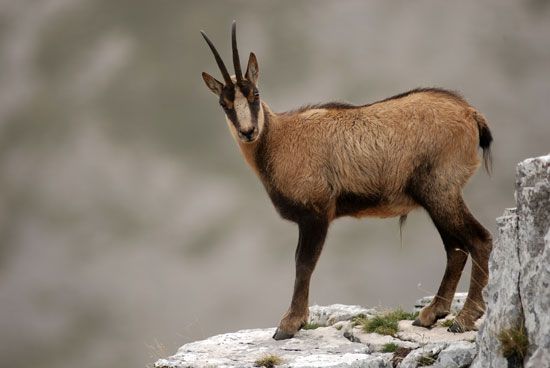
- Vertical Migration: Many animals are not adapted for year-round life in the high-altitude environments above the timberline. Consequently, species such as mountain sheep, ibex, chamois, and various birds perform vertical migrations, descending into forested areas during the winter and returning to higher elevations in the summer.1113
- Specialized Adaptations: Species that remain in alpine habitats have evolved specific survival strategies. Some small mammals, such as marmots and ground squirrels, hibernate to survive the winter, while others like pikas cache food to sustain themselves through the cold months.113
- Habitat Fragmentation: The transition zone, including the krummholz, creates a mosaic of stunted trees and open meadows. This structural complexity provides unique niches, but the overall reduction in energy availability at higher altitudes limits the carrying capacity for many species.23
Because the timberline represents an equilibrium between regeneration and mortality, it acts as a filter for biodiversity, restricting the range of many lowland species while supporting a specialized, albeit less diverse, community of alpine-adapted fauna.213
Sources
- timberline — Encyclopædia Britannica
- Tree - Tree lines — Encyclopædia Britannica
- Mountain ecosystem - Environment — Encyclopædia Britannica
- Tropical rainforest - Environment — Encyclopædia Britannica
- Agricultural technology - Tropical farming — Encyclopædia Britannica
- Himalayas - Plant life — Encyclopædia Britannica
- Exploring 7 of Earth’s Great Mountain Ranges - Andes — Encyclopædia Britannica
- Andes Mountains - Plant and animal life — Encyclopædia Britannica
- India - Vegetation — Encyclopædia Britannica
- Taiga - Trees — Encyclopædia Britannica
- Alps - Plant and animal life — Encyclopædia Britannica
- Tundra - Alpine mammals — Encyclopædia Britannica
- Tundra - Animal life — Encyclopædia Britannica
Published on · 4 min read