Why Do Dogs Have Wet Noses?
Dogs possess wet noses primarily to sharpen their exceptional sense of smell. The moisture acts as a trap for airborne scent particles, which dissolve on the…
Why do dogs have wet noses?
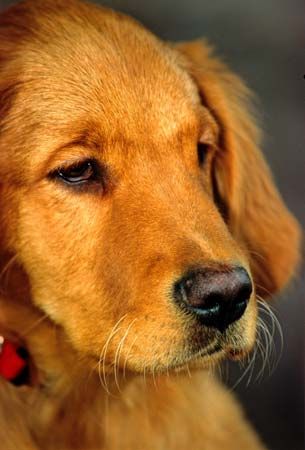
Dogs possess wet noses primarily to sharpen their exceptional sense of smell. The moisture acts as a trap for airborne scent particles, which dissolve on the surface and allow the olfactory system to process them more effectively.1
Beyond sensory perception, a wet nose serves a vital role in thermoregulation. Because dogs do not sweat like humans, they rely on moisture evaporation from their noses—along with panting and their paw pads—to help cool their blood and regulate their overall body temperature.1
While a moist nose is often associated with good health, it is perfectly normal for the level of wetness to fluctuate throughout the day depending on a dog’s activity level and the surrounding environment. An unusually dry nose can sometimes be a sign of dehydration or illness, though it is not a definitive diagnostic tool.1
How does a dog’s sense of smell compare to a human’s?
A dog’s sense of smell is immeasurably more acute than that of a human. While both species share the same basic olfactory mechanisms, the disparity in their capabilities is driven by significant anatomical and physiological differences.23
Key Differences in Olfactory Anatomy
- Olfactory Epithelium: The size of the area dedicated to smell is much larger in dogs. In some dogs, the olfactory epithelium covers about 170 cm², compared to only 5–10 cm² in humans.4
- Receptor Cells: Dogs possess approximately 1 billion olfactory receptor cells, whereas humans have only about 10–40 million.4
- Brain Processing: Information from these receptors is processed in the olfactory bulb. Dogs have as many as 5,000 glomeruli—the structures where olfactory information is organized—which allows them to maximize signals even from very low concentrations of chemicals.4
- Airflow: Humans have experienced an evolutionary reduction in the size of the nasal epithelium, causing much of the inhaled air to bypass the sensory area. In contrast, dogs use techniques like rapid sniffing to create turbulence, ensuring that odor molecules effectively reach the olfactory epithelium.34
Because of these differences, a dog’s sensitivity to certain chemicals can be nearly a million times greater than a human’s.3
What is thermoregulation and how do other animals do it?
Thermoregulation is the biological process by which an organism maintains its internal body temperature within an optimal range. Animals generally fall into two categories based on how they manage this:89
Ectotherms (Cold-Blooded Animals)
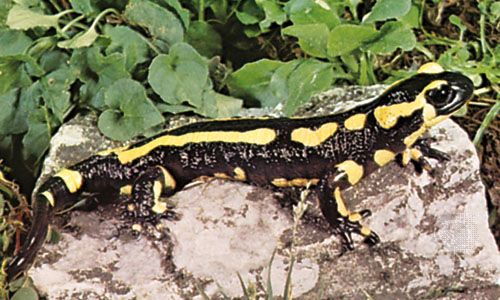
Ectotherms, including fishes, amphibians, reptiles, and invertebrates, rely primarily on external environmental sources—such as sunlight or heated surfaces—to regulate their body temperature.810
- Behavioral Regulation: These animals often move between warm and cool environments to maintain a stable core temperature. For example, some lizards use postural orientation toward solar radiation or adjust their contact with warm soil.811
- Biochemical Adaptations: To survive extreme temperatures, many ectotherms produce heat-shock proteins to prevent protein damage. In freezing conditions, some species manufacture cryoprotectants, such as sugars or alcohols, to lower the freezing point of their body fluids and prevent ice crystal formation.10
Endotherms (Warm-Blooded Animals)
Endotherms, such as mammals, maintain a constant internal temperature through active physiological and neural processes.9
- Internal Mechanisms: When the body is too warm, endotherms initiate heat-loss mechanisms like sweating, panting, and vasodilation (widening of blood vessels).9
- Heat Conservation: When cold, they conserve heat through vasoconstriction, shivering, and metabolic reactions like thermogenesis in brown adipose tissue.9
How do dogs use their sense of smell to track objects?
Dogs utilize their highly developed olfactory system to track objects by detecting and processing specific scent particles. Their noses are kept moist to trap these particles, which are then dissolved and analyzed, allowing dogs to distinguish between unique odor profiles even after significant time has passed.122
In professional and competitive settings, dogs are trained to follow specific scents—such as anise, birch, or clover—across long, complex tracks that may include multiple changes of direction. Depending on the training, dogs may either track a scent directly on the ground or “air scent” to locate a target. This capability is effectively applied in various real-world tasks, including:112
- Search and Rescue: Locating missing persons by identifying odors associated with their clothing.1213
- Detection: Identifying drugs, explosives, or toxic substances that are otherwise undetectable to humans.122
- Hunting: Distinguishing between different varieties of birds.12
While all dogs possess this ability, breeds with longer noses are generally better suited for tracking than short-nosed breeds.12
Sources
- Why do dogs have wet noses? — Encyclopædia Britannica
- dog - Senses — Encyclopædia Britannica
- Chemoreception - Terrestrial vertebrates — Encyclopædia Britannica
- Chemoreception - Smell — Encyclopædia Britannica
- Senses - Chemical sense — Encyclopædia Britannica
- vomeronasal organ — Merriam-Webster
- olfactory receptor — Encyclopædia Britannica
- Thermoregulation — Encyclopædia Britannica
- Thermoreception - Reptiles and amphibians — Encyclopædia Britannica
- Ectotherm — Encyclopædia Britannica
- Thermoreception - Behaviour and thermoregulation — Encyclopædia Britannica
- dog sports - Nose work (scent work) and tracking — Encyclopædia Britannica
- dog: Top Questions — Encyclopædia Britannica
- Chemoreception - Dogs — Encyclopædia Britannica
Published on · 3 min read