Black Cumin
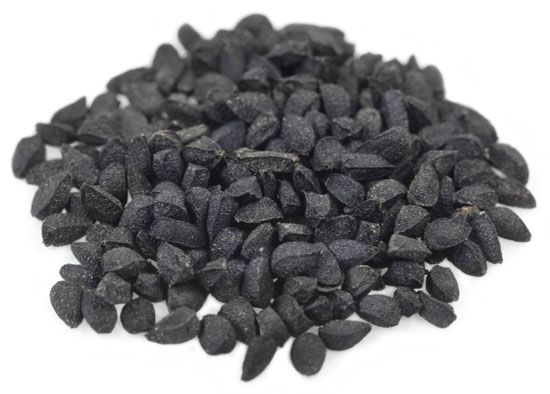
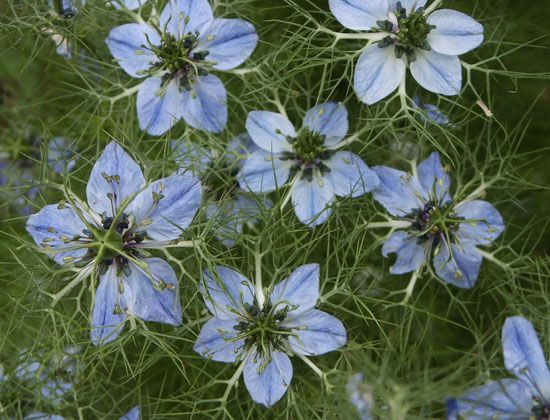
The scientific name of the black cumin plant is Nigella sativa. It belongs to the Ranunculaceae family, which is commonly known as the ranunculus family.
What is the scientific name of the black cumin plant and which plant family does it belong to?
The scientific name of the black cumin plant is Nigella sativa. It belongs to the Ranunculaceae family, which is commonly known as the ranunculus family.1
How is black cumin cultivated and what are its growing requirements?
Sorry, the Britannica knowledge base does not contain specific information regarding the cultivation techniques or precise growing requirements for black cumin, other than noting that the plant is a hardy annual capable of growing in a variety of soils and that it readily reseeds itself.1
How long has black cumin been used in human history and in which cultures?
Black cumin (Nigella sativa) has a long history of use in diverse culinary and medicinal traditions across southwestern Asia, the Mediterranean region, and Africa. While the specific duration of its human use is not quantified in the provided records, it is deeply integrated into the cultural practices of these regions.1
In terms of cultural application, black cumin is widely utilized in India, the Middle East, and North Africa to season various dishes, including curries, rice, breads, and sweet confections. Beyond its culinary role, the plant holds significant importance in traditional Islamic medicine and Ayurveda, where it has been esteemed for centuries as a remedy for a wide variety of ailments, ranging from digestive issues to respiratory conditions.1
Are there any potential side effects or precautions to consider when using black cumin?
Sorry, the Britannica knowledge base does not contain information regarding the potential side effects or specific safety precautions associated with the use of black cumin. While the plant is widely utilized in traditional medicine and has been the subject of studies regarding its pharmacological potential, the provided records do not detail risks or contraindications.1
Because herbal remedies can interact with medications or affect underlying health conditions, it is essential to consult with a qualified healthcare professional before incorporating new supplements into your regimen to ensure your personal safety.
Sources
- black cumin — Encyclopædia Britannica
- cumin — Encyclopædia Britannica
Published on · 2 min read