Cumin
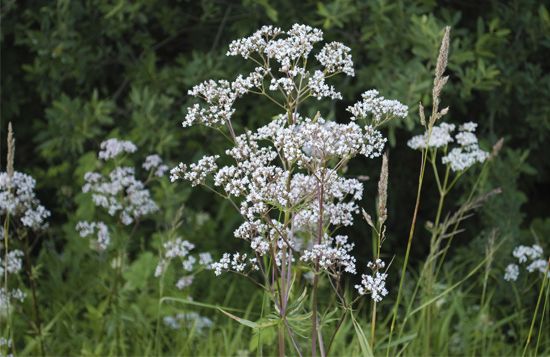
Cumin (Cuminum cyminum) is a versatile spice derived from the dried, seedlike fruits of an annual plant in the parsley family. It is particularly prominent…
How is cumin used in different cuisines around the world?
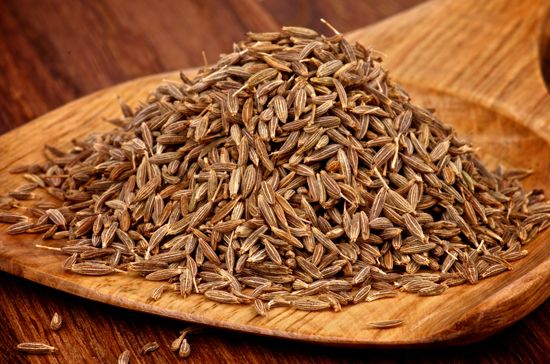
Cumin (Cuminum cyminum) is a versatile spice derived from the dried, seedlike fruits of an annual plant in the parsley family. It is particularly prominent in Asian, North African, and Latin American cuisines.12
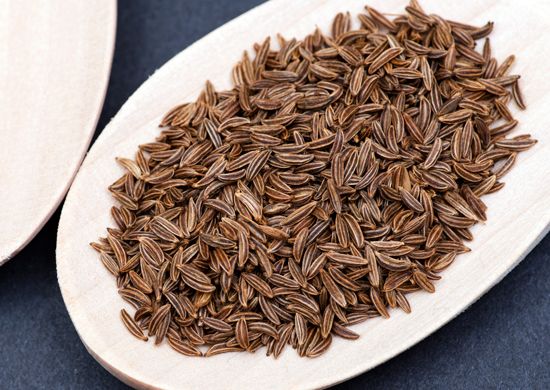
The spice is valued for its strong, warm, and earthy aroma, which is often compared to caraway, and earthy aroma, which is often compared to caraway. Its culinary applications include:2
- Spice Blends: Cumin is a foundational ingredient in many chutneys, as well as chili and curry powders.12
- Preparation Methods: The seeds can be used whole, roasted, or ground to enhance various dishes.23
- Regional Uses: In Indian cuisine, it is frequently paired with coriander and used to flavor staples such as dal, raita, bread, and various meat dishes. Black cumin seeds, which offer a more complex flavor, are especially common in Mughlai cooking.3
Beyond cooking, cumin oil is utilized in perfumery, for flavoring liquors, and in traditional medicinal practices.12
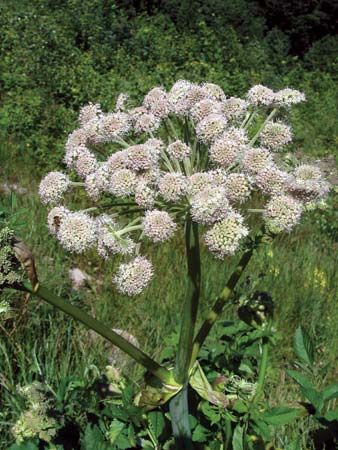
What is cumin and where does it originate from?
Cumin (Cuminum cyminum) is a small, slender annual plant belonging to the parsley family (Apiaceae). While often referred to as a seed, the spice is actually the plant’s dried, seedlike fruit, known botanically as a schizocarp.12
Cumin is native to the [Mediterranean region]. Today, it is widely cultivated in various parts of the world, including India, China, and Mexico.21
Known for its strong, warm, and earthy aroma, cumin is a staple ingredient in Asian, North African, and Latin American cuisines. It is frequently used in chutneys, as well as chili and curry powders. Beyond its culinary uses, the plant’s essential oil is utilized in perfumery, for flavoring liquors, and in traditional medicinal practices.12
What are the traditional medicinal uses of cumin?
It is important to clarify that while common cumin (Cuminum cyminum) is noted for its use in traditional medicinal practices, the provided search results do not detail specific medicinal applications for this plant beyond a general mention of its use for such purposes.1
Much of the detailed information regarding traditional medicinal use often refers to black cumin (Nigella sativa), which is a distinct plant from the ranunculus family and is not related to common cumin. In traditional Islamic medicine and Ayurveda, black cumin seeds and their oil are used to treat a wide range of conditions, including:5
- Digestive and Reproductive Health: Used to relieve digestive troubles, treat intestinal worms, stimulate lactation, and address menstrual and postpartum issues.5
- Respiratory and Inflammatory Conditions: Employed to reduce symptoms of asthma and bronchitis, as well as to treat inflammation and rheumatoid arthritis.5
What are some common substitutes for cumin in cooking?
If you find yourself without cumin in the kitchen, there are a few effective substitutes you can use to replicate its warm, earthy, and smoky profile:
- Caraway: Because cumin and caraway share a similar warm, slightly sharp taste profile, caraway is often considered the closest match for cumin in many culinary applications.1
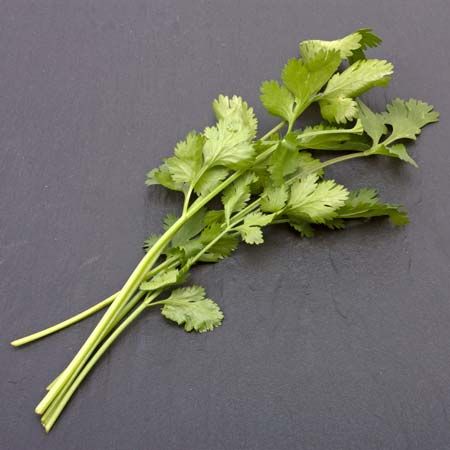
- Coriander: While coriander has its own distinct floral and citrus notes, it is frequently used alongside cumin in spice blends like garam masala. Because they share an earthy base, coriander can serve as a functional substitute in many recipes.3
- Spice Blends: Since cumin is a foundational ingredient in many pre-mixed seasonings, using a blend like garam masala or various curry powders can provide the necessary depth of flavor if you are preparing dishes that call for those specific profiles.61
Sources
- Did you know? — Merriam-Webster
- cumin — Encyclopædia Britannica
- list of Indian spices — Encyclopædia Britannica
- 11 Questions About Useful Plants Answered - What have spices been used for across human history? — Encyclopædia Britannica
- black cumin — Encyclopædia Britannica
- garam masala — Encyclopædia Britannica
- caraway — Encyclopædia Britannica
- coriander — Encyclopædia Britannica
Published on · 3 min read