Edelweiss
Edelweiss (Leontopodium alpinum or Leontopodium nivale) is a small perennial plant belonging to the Asteraceae family. Native to the mountainous regions of…
What is Edelweiss?
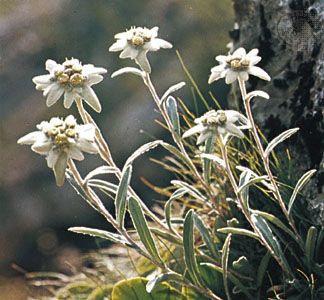
Edelweiss (Leontopodium alpinum or Leontopodium nivale) is a small perennial plant belonging to the Asteraceae family. Native to the mountainous regions of Europe, Eurasia, and South America, the name is derived from the German words edel (noble) and weiss (white).123
The plant typically grows between 5 and 30 cm (2 to 12 inches) tall and is characterized by a dense, woolly white pubescence. Its appearance features 2 to 10 yellow flower heads surrounded by 6 to 9 lance-shaped, white, woolly leaves arranged in a star-like pattern. While many varieties are cultivated as ornamentals, the term is also sometimes applied to related species, such as the New Zealand edelweiss, which belongs to the genus Leucogenes.12
Why is the Edelweiss considered a symbol of the Alps?
The edelweiss is considered an iconic symbol of the Alps primarily due to its status as one of the most recognizable flowers native to the region’s high-altitude environments. Its unique appearance—characterized by a dense, woolly white pubescence and star-shaped leaves—has made it a celebrated emblem of the rugged, mountainous landscape of central and southeast Europe.124
While the plant is scientifically known as Leontopodium nivale (or L. alpinum), its common name, derived from the German words for “noble” and “white,” reflects the cultural reverence it has garnered over time. Its presence in the harsh, craggy terrain of the Alps, alongside other notable flora like the alpine rose and gentian, has solidified its reputation as a quintessential representative of alpine nature.241
How does the plant’s woolly texture help it survive in cold mountain climates?
The woolly texture of the edelweiss is a specialized adaptation that helps the plant survive in the harsh, high-altitude environments of the Alps. The dense, white hairs covering the leaves and stems serve several critical functions:
- Insulation: The thick layer of hair acts as a thermal barrier, trapping a layer of air against the plant’s surface to protect it from freezing temperatures and rapid heat loss.
- Moisture Retention: By reducing airflow directly across the plant’s surface, the woolly coating helps minimize water loss through transpiration, which is vital in the dry, windy conditions found at high elevations.
- UV Protection: The dense hairs help shield the plant from intense solar radiation, which is significantly stronger at high altitudes, preventing damage to the plant’s delicate tissues.
These adaptations allow the edelweiss to thrive in rocky, exposed terrain where many other plants would struggle to survive.1
What are some other plants that grow in high-altitude alpine environments?
High-altitude alpine environments host a diverse array of specialized flora that have adapted to harsh conditions such as extreme cold, intense solar radiation, and nutrient-poor soils. Beyond the iconic edelweiss, many other plants thrive in these regions:
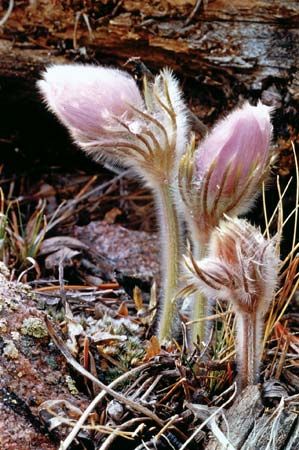
- Flowering Herbs and Forbs: Many alpine areas are home to gentians, buttercups, pasqueflowers, and lupins. In wet sites, tiny primroses are often found, while lousewort uses hairy stalks to retain warmth.
- Shrubs and Heathers: Low-growing shrubs are common, particularly members of the heather family, such as Vaccinium, Diapensia, and Phyllodoce. In some regions, prostrate stone pines form dense, low thickets on ridges.
- Grasses and Sedges: Grasses and sedges are widespread, often dominating meadows or snowbed communities where snow lingers late into the season.
- Specialized Adaptations: In tropical alpine regions, some plants exhibit convergent evolution, such as giant stem rosette plants (Espeletia, Puya, Dendrosenecio, and Lobelia) that use persistent dead leaves to insulate their stems against nightly freezing.567
Sources
- Edelweiss — Encyclopædia Britannica
- edelweiss — Merriam-Webster
- Leontopodium — Merriam-Webster
- Exploring 7 of Earth’s Great Mountain Ranges - Alps — Encyclopædia Britannica
- Mountain ecosystem - Flora — Encyclopædia Britannica
- Tundra - Plant life — Encyclopædia Britannica
- Mountain ecosystem - Environment — Encyclopædia Britannica
Published on · 3 min read