Black Currant
The black currant (Ribes nigrum) is an aromatic, deciduous shrub in the Grossulariaceae family, native to temperate regions of northern Eurasia. It is widely…
What is Black currant?
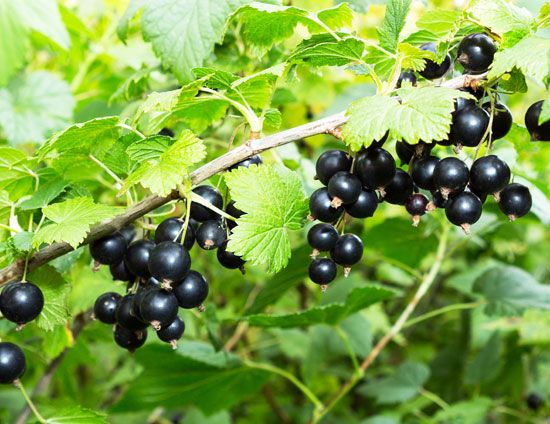
The black currant (Ribes nigrum) is an aromatic, deciduous shrub in the Grossulariaceae family, native to temperate regions of northern Eurasia. It is widely cultivated for its tart, edible berries, which are rich in vitamin C.12
Physically, the plant features spineless stems and leaves with palmate venation. Its fruits are true berries that range in flavor intensity depending on the cultivar. Because Ribes species can host the blister rust fungus—a pathogen that threatens white pines—cultivation is sometimes restricted near pine plantations.12
In culinary applications, black currants are prized for their powerful aroma and sharp juice. They are commonly used in jams, syrups, juices, and liqueurs like crème de cassis, or as a flavorful addition to sauces and desserts.13
Why were black currants banned in the United States?
Black currants were banned in the United States primarily because they serve as an alternative host for white-pine blister rust, a destructive fungal disease that threatens economically valuable five-needled pine trees.451
The fungus, Cronartium ribicola, requires two distinct hosts to complete its life cycle: white pines and plants in the genus Ribes, which includes both black currants and gooseberries. Because the disease cannot spread directly from pine to pine, it was believed that eradicating nearby host plants would protect the timber industry. Consequently, the federal government implemented a complete ban on black currant plants in the United States, which remained in effect until 1966.461
While the federal ban was lifted, local prohibitions still exist in some regions of the country to protect local pine plantations from the spread of the blister rust fungus.51
What is the difference between currants and gooseberries?
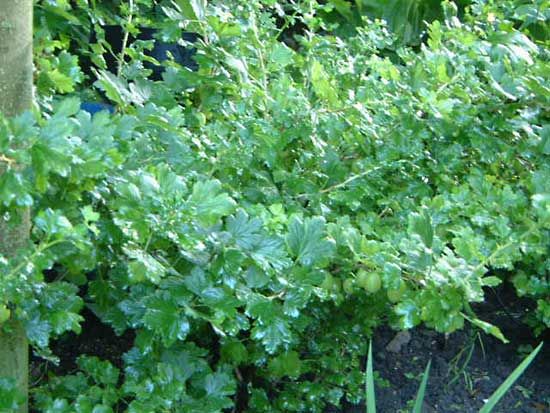
Currants and gooseberries both belong to the genus Ribes and the family Grossulariaceae, but they are distinguished by several physical and botanical characteristics.35
Key Differences
Feature
Currants
Gooseberries
Stems
Generally lack spines
Usually prickly or spiny
Flowers
Typically grow in clusters
Often borne singly or in small groups of two or three
Fruit Surface
Smooth
Often prickly or hairy
While both groups produce tart, edible berries used in cooking, baking, and preserves, their growth habits differ slightly. Both are native to temperate regions of the Northern Hemisphere and share the status of being alternative hosts for white-pine blister rust, which has led to regional cultivation restrictions in areas where white pine timber is a significant resource.357
What are the health benefits of eating black currants?
Black currants are highly regarded for their nutritional profile, particularly their significant content of vitamin C. In addition to this essential vitamin, these tart berries provide important minerals, including calcium, phosphorus, and iron.15
Because of their sharp flavor and distinct aroma, they are frequently used in various culinary applications, such as jams, jellies, syrups, and juices, or incorporated into desserts like ice cream and sorbets to add a punch of flavor.15
Sources
Published on · 2 min read