Ribes
While the genus Ribes—which includes currants and gooseberries—is not primarily categorized by its invasiveness, these plants are considered problematic in…
Are there any notable species of Ribes that are considered invasive or problematic?
While the genus Ribes—which includes currants and gooseberries—is not primarily categorized by its invasiveness, these plants are considered problematic in specific agricultural contexts due to their role as alternate hosts for the blister rust fungus.
This fungus, specifically the species Cronartium ribicola, causes white pine blister rust, a destructive disease that attacks five-needled pines. Because the pathogen requires both the pine and the Ribes shrub to complete its life cycle, many regions have implemented local prohibitions against planting Ribes species near white pine plantations to protect timber resources from this plant disease.12
While some species are cultivated for their edible fruit or as garden ornamentals, their status as a host for this fungus remains their most significant “problematic” trait in forestry and conservation management.1
What are some of the medicinal or culinary uses of Ribes fruits?
The fruits of the genus Ribes, which includes currants and gooseberries, are widely valued for their culinary versatility and nutritional profile.
Culinary Uses
Ribes fruits are characterized by their tart, piquant flavor, making them popular in a variety of preparations:
- Preserves and Desserts: They are frequently used to make jams, jellies, preserves, tarts, and pies.31
- Professional Cuisine: Black currants are often used to add depth to sauces, such as those paired with roasted duck, or incorporated into desserts like ice cream, sorbets, and cheesecake toppings.4
- Beverages: The fruits are used to produce juices, syrups, and wines, and are a key ingredient in liqueurs like crème de cassis.41
- Preparation: While they can be eaten fresh or dried, their sharp juice and seeds often benefit from being poached in syrup to balance their tang.43
Medicinal and Nutritional Value
Beyond their culinary applications, these berries are notable for their health benefits:
- Nutrient Density: They are extremely high in vitamin C and provide essential minerals, including calcium, phosphorus, and iron.43
- Medicinal Use: Black currants are specifically utilized in the production of lozenges.3
What is the geographical distribution of Ribes plants around the world?
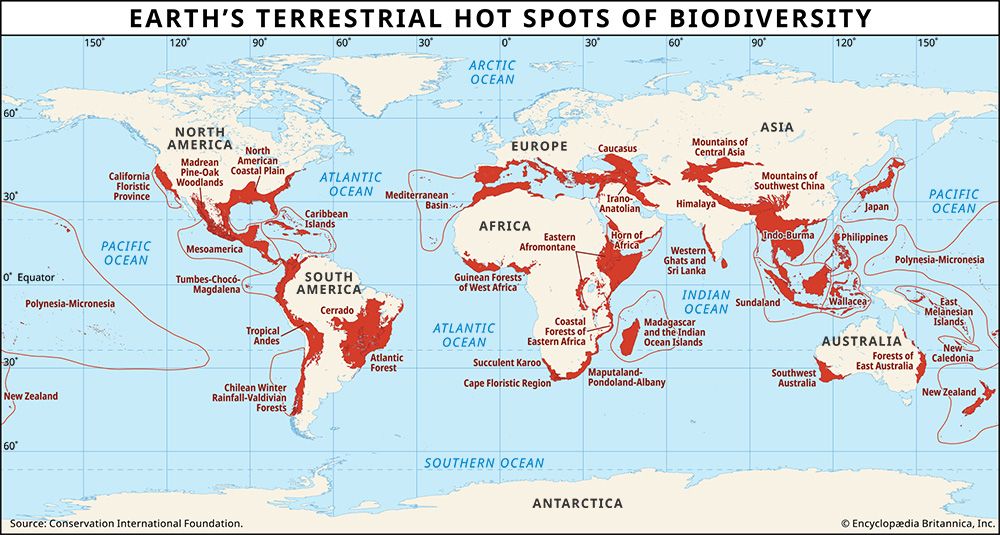
The genus Ribes, which comprises currants and gooseberries, is primarily native to the temperate regions of the Northern Hemisphere. These hardy shrubs are well-adapted to cool, humid climates and can be found growing as far north as the Arctic Circle.15
While their distribution is centered in the Northern Hemisphere, the range of Ribes extends southward through the Americas into the Andes mountain range. Various species are widely distributed across these regions, with some, such as the American gooseberry (R. hirtellum), found growing wild across the United States, while others have been naturalized in parts of Europe through long-standing cultivation.15
Which common fruits belong to the Ribes genus?
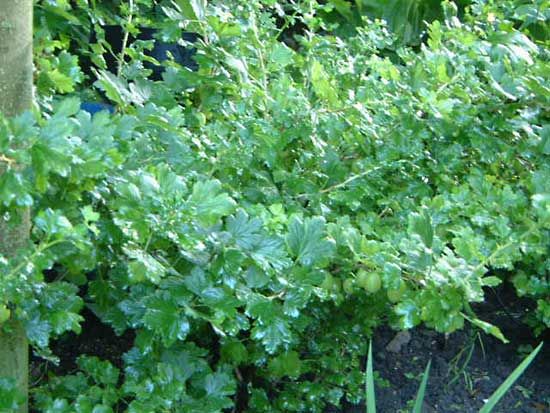
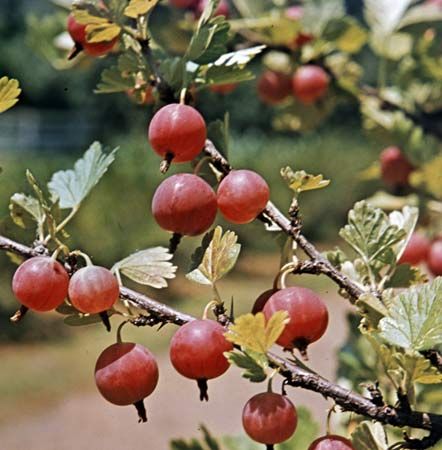
The genus Ribes consists of two primary groups of shrubs: currants and gooseberries. Several species within this genus are cultivated for their edible, tart fruits.145
Common Edible Species
- English (European) Gooseberry (Ribes uva-crispa): A widely cultivated species native to the Old World.14
- American Gooseberry (R. hirtellum): A smooth-fruited species native to North America.14
- Common (Red/Garden) Currant (R. rubrum): One of the most economically important species for jams and jellies.15
- Black Currant (R. nigrum): Highly valued for its use in flavorings, lozenges, and beverages.15
- Buffalo Currant (R. odoratum): Grown for both its edible fruit and its ornamental value.15
- Downy (Nordic) Currant (R. spicatum): Another species cultivated for its berries.15
While these species are prized for their culinary uses, it is important to note that all Ribes plants serve as alternate hosts for white-pine blister rust, which has led to legal restrictions on their cultivation in certain regions to protect white pine timber resources.154
Sources
- ribes — Encyclopædia Britannica
- Rust — Encyclopædia Britannica
- Black currant — Encyclopædia Britannica
- Currant — Encyclopædia Britannica
- Gooseberry — Encyclopædia Britannica
- ribes — Merriam-Webster
Published on · 3 min read