Black River
The name "Black River" refers to several distinct geographical features, as there is no single entity by that name.
What is Black River?
The name “Black River” refers to several distinct geographical features, as there is no single entity by that name.
Black River (United States)
This river flows through southeastern Missouri and eastern Arkansas. Rising in the Ozark Mountains, it travels 280 miles before joining the White River. It is primarily known for the Clearwater Dam, a significant flood-control project completed in 1948.1
Black River (Asia)
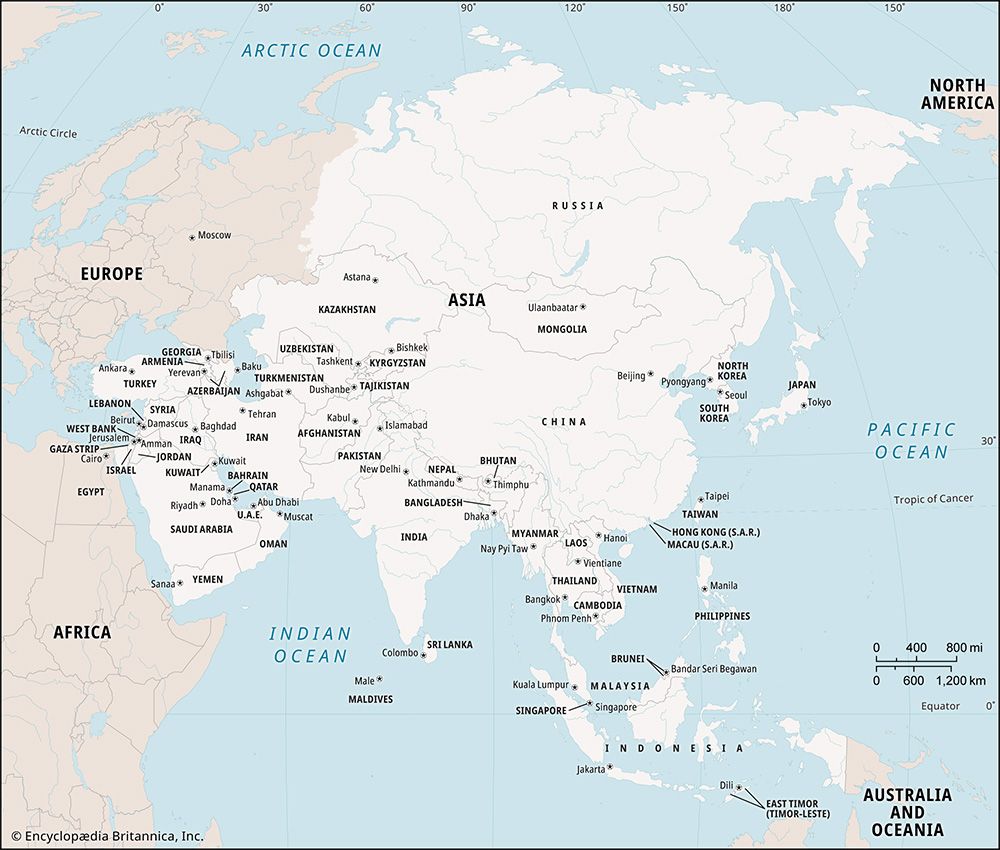
Located in southeastern Asia, this river is a major tributary of the Red River. It originates in Yunnan, China, and flows into Vietnam. Near Hoa Binh, it is dammed to create the largest reservoir in Vietnam, which supports a major hydroelectric power plant.2
Please note that “river blackfish” is a type of food fish found in Australia and is unrelated to these waterways.3
How do dams on rivers impact the surrounding environment?
Dams significantly alter the natural environment, often serving human needs for hydroelectric power, irrigation, and flood control while simultaneously creating complex ecological and social challenges.456
Ecological Impacts
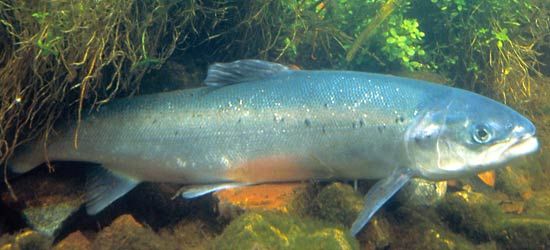
- Fish Migration: Dams frequently obstruct the paths of spawning fish, such as salmon, leading to population declines. While fish passes like ladders and locks are used to mitigate this, they are not always successful.475
- Sedimentation: Reservoirs trap sediment that would otherwise travel downstream. This process shortens the useful life of the reservoir and causes erosion in the stream channel below the dam, as the released water has renewed transporting capacity.869
- Habitat Loss: The creation of large reservoirs often results in the permanent submergence of vast landscapes, destroying local ecosystems and natural treasures.46
Social and Human Impacts
- Displacement: Large-scale dam projects often require the relocation of human communities, sometimes displacing millions of people, as seen with the Three Gorges Dam.46
- Landscape Preservation: The construction of dams has historically sparked intense debate between those prioritizing industrial or municipal development and those advocating for the preservation of natural and cultural heritage.4
What are the main differences between a river and a tributary?
The primary difference between a river and a tributary lies in their relationship to one another within a drainage system.
- Tributary: A tributary is a stream or smaller river that flows into a larger body of water, such as a main river or a lake. The term reflects a hierarchical relationship: just as a smaller state might pay tribute to a more powerful one, a tributary contributes its water to a larger, more dominant river system.1011
- River: A river is a natural, flowing watercourse that serves as a passageway for water. While a river can be a tributary to an even larger river, the term is generally used to describe the main channel or a significant watercourse within a drainage basin.1211
It is important to note that these roles are relative. For example, the Missouri River is a tributary to the Mississippi River, yet the Missouri is itself a massive river that receives hundreds of its own tributaries.11
How do mountain ranges influence the path of a river?
Mountain ranges exert a profound influence on the path of a river, acting as both physical barriers and structural guides for drainage patterns.
Structural Control and Drainage
In many regions, the orientation of a river is dictated by the underlying geology. Rivers often follow the natural alignment of major folds and faults within a mountain belt, as these features provide paths of least resistance through the landscape. For example, the Appalachian Mountains exert strong control over the orientation of local valleys and their associated rivers.1516
Antecedent and Superimposed Rivers
Sometimes, rivers appear to ignore mountain structures by cutting directly across resistant ridges. This occurs in two primary ways:
- Antecedent Rivers: These rivers existed before the mountains were uplifted. If the rate of river downcutting keeps pace with the rising tectonic structures, the river maintains its original course, carving deep transverse gorges through the emerging range.15
- Superimposed Rivers: These rivers develop on a layer of younger sediment covering a complex geologic framework. As the region is uplifted and the river entrenches, it is “let down” onto the older, resistant rock structures beneath, effectively cutting across them regardless of their orientation.15
Watersheds and Divides
Mountain ranges frequently function as Continental Divides, acting as the primary water parting that determines the direction of flow for entire river systems. While the crest of a range often serves as this divide, some rivers—such as the Indus and Brahmaputra—are older than the mountains they traverse, allowing them to drain areas on both sides of the range.1718
Sources
- Black River — Encyclopædia Britannica
- Black River — Encyclopædia Britannica
- river blackfish — Merriam-Webster
- dam - Rise of environmental and economic concerns — Encyclopædia Britannica
- dam - Fish passes — Encyclopædia Britannica
- river - Environments of deposition — Encyclopædia Britannica
- hydroelectric power — Encyclopædia Britannica
- dam - Reservoirs — Encyclopædia Britannica
- reservoir — Encyclopædia Britannica
- tributary — Merriam-Webster
- river — Merriam-Webster
- list of rivers - Europe — Encyclopædia Britannica
- tributaries — Merriam-Webster
- Did you know? — Merriam-Webster
- mountain - Geomorphic characteristics — Encyclopædia Britannica
- river - Formation of canyons and gorges — Encyclopædia Britannica
- Himalayas - Drainage of the Himalayas — Encyclopædia Britannica
- river - Rivers as agents of landscape evolution — Encyclopædia Britannica
- river - Valley evolution — Encyclopædia Britannica
- valley - Geomorphic characteristics — Encyclopædia Britannica
- East African mountains - Drainage of the East African mountains — Encyclopædia Britannica
- Continental Divide — Encyclopædia Britannica
Published on · 3 min read