Bladderwort
Bladderwort (genus Utricularia) is a genus of carnivorous plants belonging to the family Lentibulariaceae. Comprising 220 species, these plants are found…
What is a bladderwort plant and what are its unique characteristics?
Bladderwort (genus Utricularia) is a genus of carnivorous plants belonging to the family Lentibulariaceae. Comprising 220 species, these plants are found globally in lakes, streams, and waterlogged soils.1
Unique Characteristics
Bladderworts are distinguished by several specialized features:
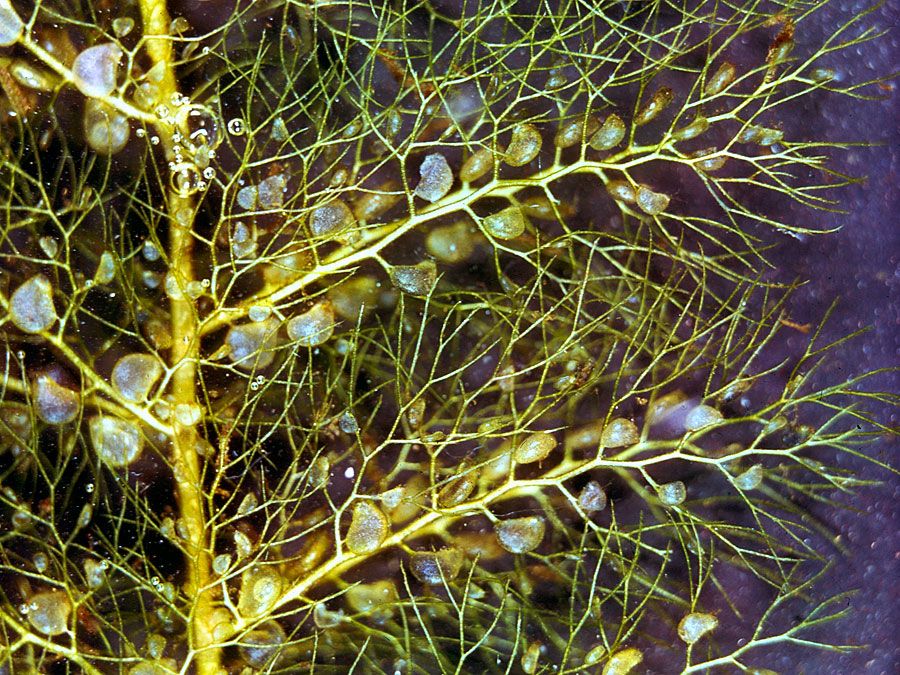
- Rootless Structure: These plants lack roots and typically feature a horizontal, floating stem with simple or divided leaves.1
- Sophisticated Traps: The plants produce small, hollow bladders along their stems. These traps maintain a state of low pressure by pumping water out. When prey, such as insect larvae or water fleas, triggers the bristles on the trap’s valve, the door opens instantly, sucking the animal inside in about 1/35 of a second.1
- Nutrient Acquisition: In nutrient-poor environments, this carnivory provides essential nitrogen and phosphorus. Additionally, they may form symbiotic relationships with microorganisms to assist in prey digestion.1
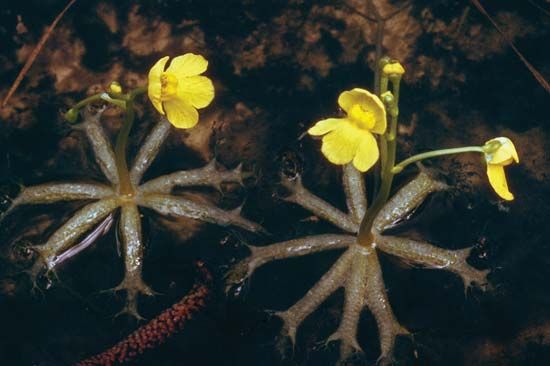
- Reproductive Anatomy: They produce bisexual, bilaterally symmetrical flowers with two sepals and five fused petals.1
Where are bladderwort plants typically found in nature?
Bladderwort plants (Utricularia) are widely distributed across the globe and are typically found in lakes, streams, and waterlogged soils. While they are primarily aquatic, they thrive in these diverse environments by utilizing their specialized traps to capture prey in nutrient-poor conditions. Additionally, some species have become invasive species, successfully spreading into novel habitats.12
What is the ecological importance of bladderwort plants in their habitats?
The ecological importance of bladderwort plants (Utricularia) lies primarily in their ability to thrive in nutrient-poor environments, such as lakes, streams, and waterlogged soils, where they serve as specialized predators of small invertebrates.1
By capturing and digesting tiny organisms like insect larvae, aquatic worms, and water fleas, these plants obtain essential nutrients—specifically nitrogen and [phosphorus]—that are often scarce in their habitats. This carnivorous habit allows them to survive in marginal or hostile conditions where other plants might struggle to acquire sufficient sustenance.14
Furthermore, research suggests that bladderworts may form symbiotic relationships with microorganisms living around their bladders. These microorganisms likely assist in the attraction and enzymatic digestion of prey, highlighting the plant’s role in complex local nutrient cycling. By regulating populations of small aquatic invertebrates, bladderworts contribute to the biological balance of the wetland ecosystems they inhabit.14
How have bladderwort plants adapted to different environments?
Bladderworts (Utricularia) have evolved highly specialized adaptations to thrive in nutrient-poor environments, such as bogs, lakes, and waterlogged soils. Because these habitats often lack essential nutrients like nitrogen and phosphorus, these plants have developed a carnivorous lifestyle to supplement their photosynthetic energy production.12
Key adaptations include:
- Snap Traps: Bladderworts utilize small, hollow bladders along their stems that function as rapid suction traps. By pumping water out of the bladder, the plant creates a vacuum. When prey triggers the bristles on the trap’s door, the valve opens, and the resulting inflow of water pulls the animal inside in approximately 1/35 of a second.1
- Rootless Structure: Unlike many other plants, bladderworts typically lack roots, instead utilizing horizontal floating stems and finely dissected leaves to navigate their aquatic environments.17
- Symbiotic Relationships: Research indicates that these plants may host microorganisms around their traps, which likely assist in attracting and enzymatically digesting prey.1
Sources
- Bladderwort — Encyclopædia Britannica
- utricularia — Merriam-Webster
- bladderwort — Merriam-Webster
- Carnivorous plant — Encyclopædia Britannica
- Butterwort — Encyclopædia Britannica
- Plant Names That Sound Like Insults | Bladderwort — Merriam-Webster
- Do Carnivorous Plants Eat Their Prey? — Encyclopædia Britannica
Published on · 3 min read