Carnivorous Plant
Carnivorous plants play a vital role in their ecosystems by occupying specialized niches in nutrient-poor environments, such as bogs and wetlands, where…
What role do carnivorous plants play in their ecosystem?
Carnivorous plants play a vital role in their ecosystems by occupying specialized niches in nutrient-poor environments, such as bogs and wetlands, where other vegetation often struggles to survive.1
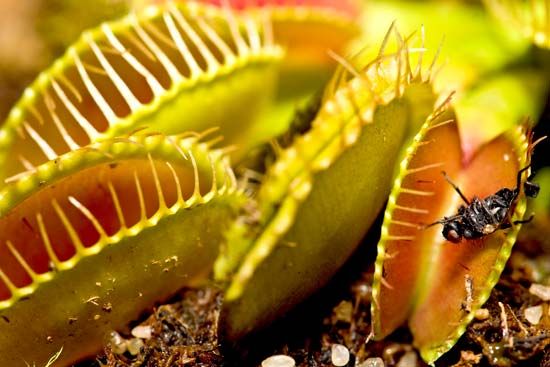
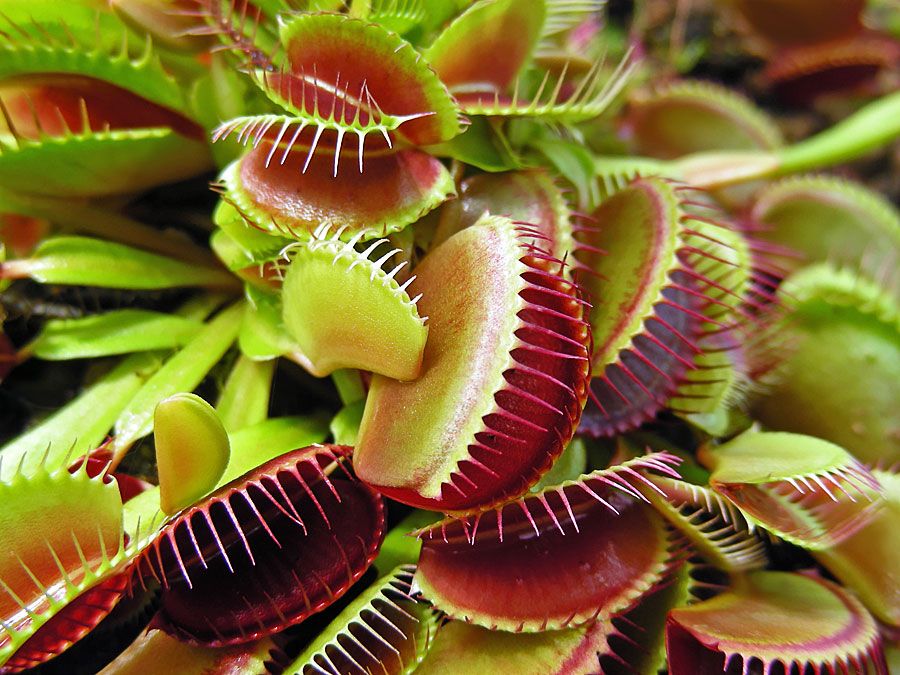
While these plants are photosynthetic and derive their energy from sunlight, they have evolved the ability to trap and digest insects and other small invertebrates to supplement their intake of nitrogen and other essential nutrients that are scarce in their native soils. By utilizing diverse mechanisms—such as the pitfall traps of pitcher plants, the adhesive leaves of sundews, or the rapid “snap traps” of the Venus flytrap—these plants thrive in challenging habitats.12
Because many of these species are highly specialized and restricted to narrow geographic ranges, they are particularly sensitive to habitat loss, making the conservation of their unique environments an ethical priority to prevent further endangered status1.
Are there any carnivorous plants that can harm larger animals or humans?
While some carnivorous plants have a fearsome reputation, they do not pose a threat to humans or large animals. Most carnivorous plants are small and specialize in trapping insects and other small invertebrates to obtain essential nutrients like nitrogen that are missing from their native soils.1
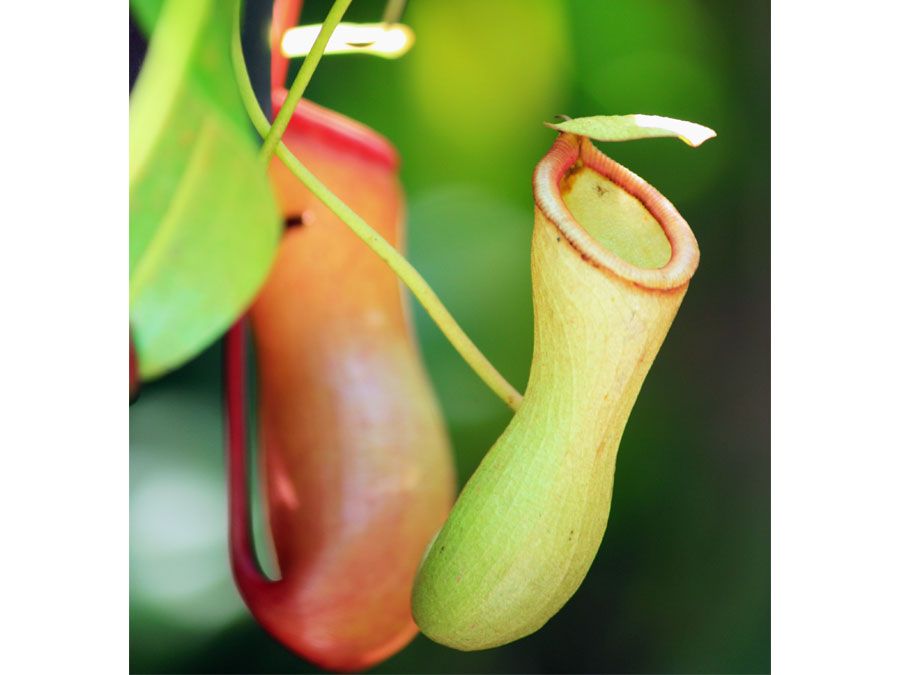
Although some large pitcher plants are capable of digesting small vertebrates such as frogs or rodents, these plants lack the size, strength, or specialized mechanisms to harm humans or larger animals.1
It is important to distinguish these plants from other types of toxic vegetation. For instance, while not carnivorous, plants like stinging nettles use needlelike structures called trichomes to inject toxins that cause painful rashes in humans and animals. Similarly, plants like deadly nightshade are poisonous if ingested5. However, carnivorous plants are not dangerous to humans and are, in fact, often the ones at risk due to habitat loss and overcollection.31
What kind of prey do carnivorous plants typically capture and digest?
Carnivorous plants primarily capture and digest insects and other small invertebrates to supplement their intake of nitrogen and other essential nutrients that are scarce in their native soils.1
While the majority of these plants focus on small prey, the diet of carnivorous plants can be quite varied depending on the species:
- Insects and Invertebrates: Most species, such as sundews, butterworts, and Venus flytraps, rely on these as their primary nutrient source.1
- Vertebrates: Some large pitcher plants are capable of capturing and digesting small vertebrates, including frogs and rodents.1
- Alternative Sources: A few species utilize leaf litter or even animal feces to obtain necessary nutrients.1
It is important to note that these plants are photosynthetic and do not rely on this prey for energy; rather, they use the nutrients to thrive in challenging environments like bogs and wetlands.16
What are the main types of carnivorous plants and their trapping mechanisms?
Carnivorous plants have evolved diverse and specialized mechanisms to capture prey, allowing them to thrive in nutrient-poor environments like bogs and wetlands. While they are photosynthetic and produce their own energy from sunlight, they rely on these traps to obtain essential nutrients like nitrogen and phosphorus that are scarce in their native soils.12
The primary trapping mechanisms include:
- Pitfall Traps: Found in pitcher plants, these are passive structures filled with digestive fluids. Prey are lured by nectar and fall into the trap, where they are broken down by enzymes.18
- Snap Traps: Used by the Venus flytrap and aquatic bladderworts, these are active mechanisms. The Venus flytrap uses hinged lobes that snap shut when sensitive hairs are triggered, while bladderworts use a vacuum-pressure system to suck prey into small, hollow sacs.162
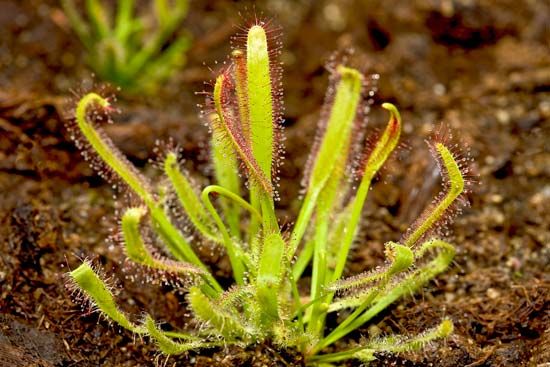
- Adhesive Traps: Sundews and butterworts use leaves covered in sticky, mucilaginous substances to ensnare insects, which are then digested on the leaf surface.19
Sources
- Do Carnivorous Plants Eat Their Prey? — Encyclopædia Britannica
- list of carnivorous plants — Encyclopædia Britannica
- carnivore — Encyclopædia Britannica
- myth - Animals and plants in myth — Encyclopædia Britannica
- What’s the Difference Between Venomous and Poisonous? — Encyclopædia Britannica
- Venus flytrap — Encyclopædia Britannica
- What do frogs eat? — Encyclopædia Britannica
- Bladderwort — Encyclopædia Britannica
- Western Australian pitcher plant — Encyclopædia Britannica
- Caryophyllales - Droseraceae — Encyclopædia Britannica
Published on · 3 min read