Borage
The common borage plant, Borago officinalis, is a hairy annual native to the Mediterranean known for its star-shaped blue flowers and cucumber-flavored…
Are there any known varieties or cultivars of borage, and how do they differ from the common borage plant?
The common borage plant, Borago officinalis, is a hairy annual native to the Mediterranean known for its star-shaped blue flowers and cucumber-flavored leaves.1
Regarding your query about varieties or cultivars, the provided information does not contain details on specific named cultivars or how they might differ from the standard species. While borage is widely cultivated as an ornamental and edible herb, the available data focuses on the general characteristics of the Borago officinalis species rather than its specific horticultural varieties.1
Can you describe the flowers of the borage plant and their unique characteristics?
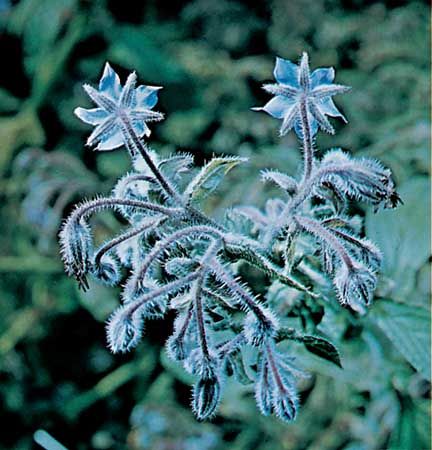
The flowers of the borage plant (Borago officinalis) are highly distinctive and serve as a key identifying feature of the species. They are characterized by their bright blue color and star-like shape, appearing in loose, drooping clusters.1
These flowers possess several unique structural traits:
- Stamen Cone: A defining characteristic of the borage flower is its five bright yellow stamens, which are arranged to form a prominent cone at the center of the bloom.1
- Stalks: The flowers are borne on red-colored stalks.1
- Inflorescence: While many plants in the Boraginaceae family feature flower clusters that are coiled like a scorpion’s tail, borage is noted for its loose, drooping clusters.12
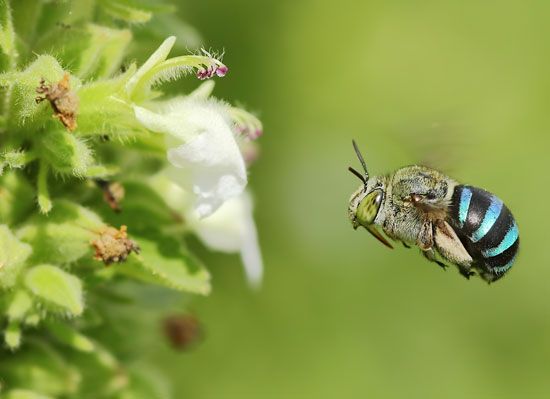
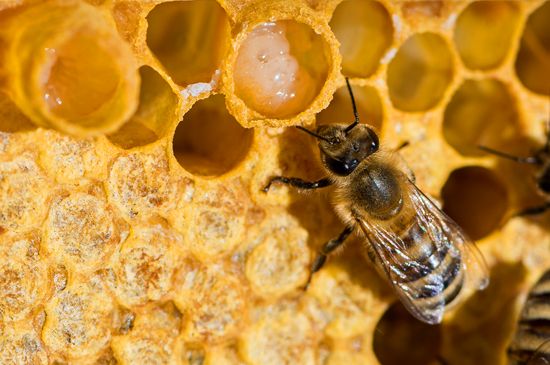
- Pollinator Attraction: The flowers are highly attractive to bees, and the plant is frequently grown as an ornamental herb specifically to support honeybee populations.1
In the broader context of the Boraginaceae family, some species exhibit color changes in their petals as they age—shifting between pink, blue, yellow, or white—due to changes in the pH of their cellular fluids.2
What is borage and what are its distinguishing features as a plant?
Borage (Borago officinalis) is a hardy, hairy annual herb belonging to the Boraginaceae family. Native to the eastern Mediterranean, it is widely cultivated across Europe, Great Britain, and North America for both its ornamental value and its culinary uses.12
The plant is distinguished by several key physical features:
- Growth and Foliage: Borage can reach heights of up to 60 cm (2 feet). It features large, rough, oblong leaves that are notable for their distinct, cool cucumber-like aroma and taste.1
- Flowers: The plant produces loose, drooping clusters of star-shaped, bright blue flowers. These blooms are borne on red-colored stalks and contain five prominent, bright yellow stamens that form a central cone.1
- Pollinator Utility: Because the flowers are highly attractive to bees, the plant is frequently grown as an ornamental herb to support honeybee populations.1
- Culinary and Medicinal Use: The leaves and flowers are commonly used in salads, while the leaves can be cooked as a vegetable or used to season soups, stews, and various drinks.12
What is the scientific name of borage and which plant family does it belong to?
The scientific name for borage is Borago officinalis. It belongs to the plant family Boraginaceae, which is commonly referred to as the borage family.125
Sources
- Borage — Encyclopædia Britannica
- Boraginaceae — Encyclopædia Britannica
- Angiosperm - General features — Encyclopædia Britannica
- borage — Merriam-Webster
- borage family — Merriam-Webster
Published on · 2 min read