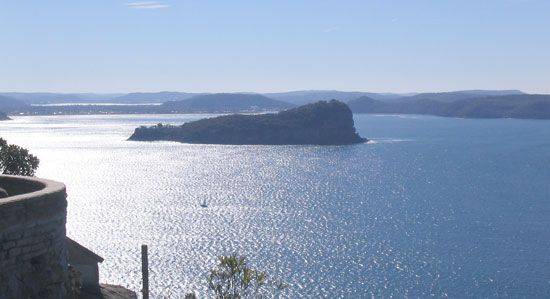
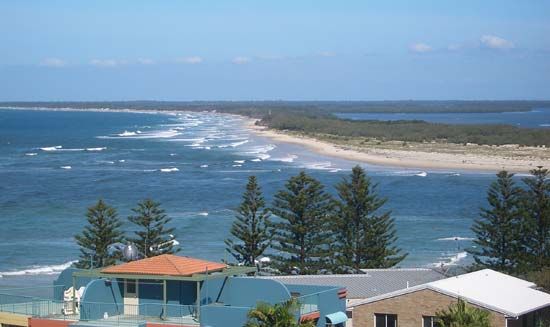
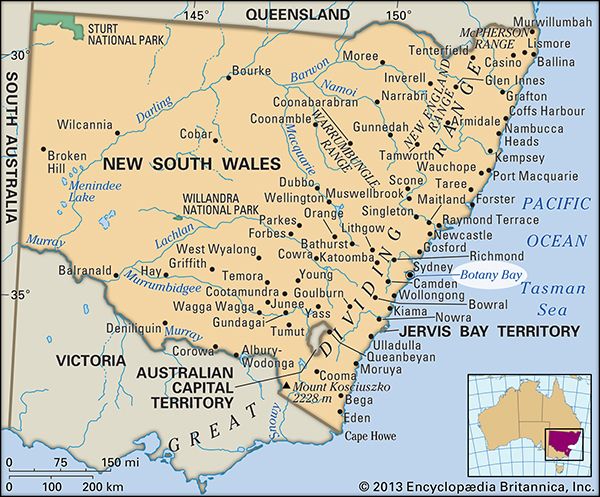
Botany Bay
Botany Bay was originally intended by the British government to be the site of the first penal colony in Australia. In 1788, the First Fleet, commanded by…
What role did Botany Bay play in the transportation of convicts to Australia?
Botany Bay was originally intended by the British government to be the site of the first penal colony in Australia. In 1788, the First Fleet, commanded by Captain Arthur Phillip, arrived at the bay with the intention of establishing a settlement to relieve pressure on British prisons following the loss of the American colonies.123
However, upon arrival, Phillip found the area unsuitable for habitation due to poor soil, a lack of fresh water, and an inferior, exposed harbour. Consequently, he moved the fleet a few miles north to Port Jackson, where he established the settlement of Sydney instead. While Botany Bay did not become the primary site for the convict settlement, the name remained historically significant, and the surrounding area later became a center for pastoral and commercial activity, as well as a site of conflict with Aboriginal peoples.1245
How does Botany Bay feature in Aboriginal Australian culture and history?
Botany Bay holds profound significance in Aboriginal history as the site of the first sustained contact between Indigenous Australians and Europeans. In 1770, when Captain James Cook landed at what is now Kurnell, he encountered the local Aboriginal people who had inhabited the region for millennia.89
Historical accounts and artistic representations, such as Emmanuel Phillips Fox’s painting of the landing, illustrate the immediate tension of this encounter. These depictions often show European explorers armed with guns confronting Aboriginal people, highlighting the violent consequences and the profound disruption that the arrival of the British brought to Indigenous life and sovereignty. While the bay is often framed in colonial narratives as the intended site for the first penal colony, for Aboriginal Australians, it represents the beginning of a long period of dispossession and conflict that followed the arrival of the First Fleet in 1788.189
How has Botany Bay been depicted in Australian literature and art?
Botany Bay has served as a significant touchstone in Australian art and literature, primarily as a symbol of the nation’s colonial origins and the initial encounter between European explorers and the continent.
In Art
The most iconic visual representation is Emmanuel Phillips Fox’s 1902 painting, Landing of Captain Cook at Botany Bay, 1770. Painted to commemorate the federation of Australia, the work adopts a heroic, 19th-century historical style. It depicts Cook’s party claiming the territory for Britain while simultaneously showing the violent reality of the encounter, as some men train their guns on Aboriginal people in the background. Additionally, early colonial art, such as the work of Thomas Watling, often focused on documenting the flora, fauna, and topography of the region, framing the fledgling settlement within the context of the British penal system.110
In Literature
Botany Bay features prominently in early colonial writing, often as a focal point for the Enlightenment-era interest in the “new” world. Watkin Tench’s A Narrative of the Expedition to Botany Bay (1789) was a widely read account that helped shape European perceptions of the colony. Throughout the 19th century, the “Botany Bay” experience became synonymous with the convict system, influencing various bush ballads and convict songs that expressed themes of exile and nostalgia for “home”.11
How has Botany Bay’s importance as a port changed over time?
Botany Bay’s role as a port has evolved significantly since its initial discovery by Captain James Cook in 17701.1
Initially, the bay was intended to be the site of the first British penal colony. However, when Arthur Phillip arrived with the First Fleet in 1788, he deemed the area unsuitable for habitation due to poor soil, limited water, and an exposed harbor that lacked safe anchorage. Consequently, the settlement was moved five miles north to Port Jackson, which offered a superior, secure harbor.231
In modern times, the bay has been transformed into a vital industrial and transport hub. The area is now home to the Sydney (Kingsford Smith) Airport, located on its northwestern shore. Furthermore, the development of Port Botany has established it as a major commercial port. Through extensive dredging and the construction of a breakwater to improve safety, the facility has become a key terminal for container ships, as well as a specialized hub for handling petroleum products, chemicals, and bulk cargo.214
Sources
- Botany Bay — Encyclopædia Britannica
- Australia - European settlement — Encyclopædia Britannica
- Sydney - Early settlement — Encyclopædia Britannica
- New South Wales - The growth of a free society — Encyclopædia Britannica
- New South Wales - Prehistory and early British settlement — Encyclopædia Britannica
- Colonization of Australia — Encyclopædia Britannica
- Australia - An authoritarian society — Encyclopædia Britannica
- Kurnell — Encyclopædia Britannica
- Add These 18 Paintings as Must-Sees During Your Next Trip to Australia - Landing of Captain Cook at Botany Bay, 1770 (1902) — Encyclopædia Britannica
- 6 Notable Paintings at the National Gallery of Victoria in Melbourne — Encyclopædia Britannica
- Botany Bay — Merriam-Webster
- Add These 18 Paintings as Must-Sees During Your Next Trip to Australia - A Direct North General View of Sydney Cove (1794) — Encyclopædia Britannica
- Australian literature - The century after settlement — Encyclopædia Britannica
- Sydney - Transportation — Encyclopædia Britannica
Published on · 3 min read