Bridalveil Fall
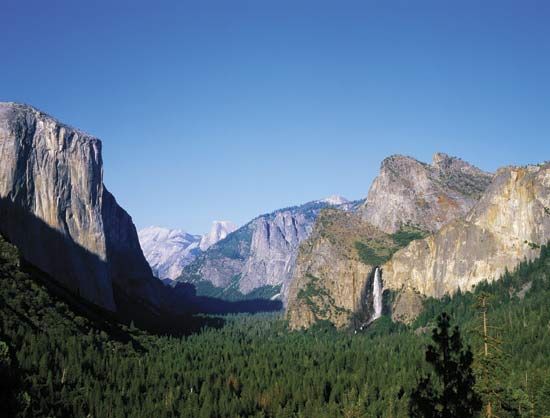
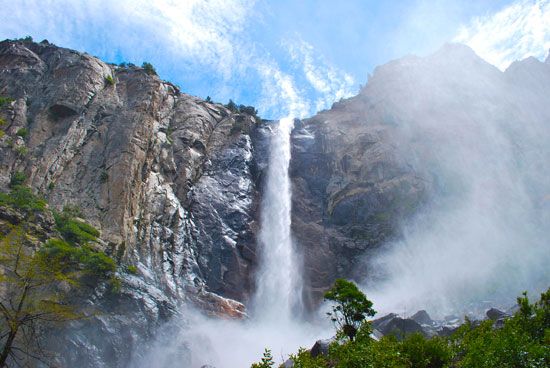
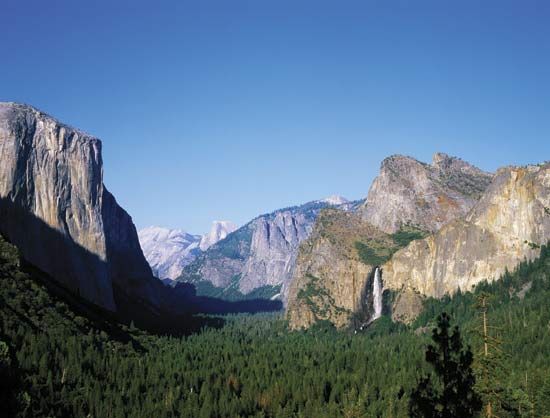
Bridalveil Fall is a prominent waterfall located on the western slope of the Sierra Nevada within Yosemite National Park in California, U.S.
What is Bridalveil Fall?
Bridalveil Fall is a prominent waterfall located on the western slope of the Sierra Nevada within Yosemite National Park in California, U.S.1
Fed primarily by snowmelt, the cataract drops 620 feet (189 metres). It is renowned for its scenic beauty, particularly when frequent winds catch the mist and blow it sideways, creating a veil-like appearance that gives the fall its name. This characteristic is also reflected in the Native American name for the site, Pohono, which translates to “Spirit of the Puffing Wind.”1
How do glaciers help form waterfalls like this one?
Glaciers play a primary role in creating waterfalls through the formation of hanging valleys and other erosional features.
When a large trunk glacier flows through a landscape, it possesses greater erosive power than the smaller tributary glaciers feeding into it. Consequently, the main valley is carved much deeper than the side valleys. Once the ice retreats, these tributary valleys are left “hanging” at elevations significantly higher than the floor of the main valley. Streams flowing from these hanging valleys must then drop over the steep walls of the main U-shaped trough to join the drainage system below, resulting in waterfalls like Bridalveil Fall.23
Glaciers also contribute to waterfall formation through:
- Glacial stairways: As ice moves over bedrock, it creates a series of “treads and risers” due to variations in rock resistance. When streams form after the ice melts, they create cascades or waterfalls at each riser.3
- Glacial potholes: Plastic flow at the base of a glacier can gouge semicylindrical holes in the bedrock, which are later deepened by meltwater runoff to form modern cascades.3
- Cirques: These bowl-shaped depressions in headwaters can contain waterfalls at their outlets once the ice has withdrawn.3
What are some other famous waterfalls in Yosemite National Park?
Yosemite National Park is home to several world-renowned waterfalls, many of which are located within the iconic Yosemite Valley. Beyond Bridalveil Fall, notable examples include:
- Yosemite Falls: One of the highest cataracts in the world, this series of falls has a total drop of 2,425 feet (740 metres). It is composed of the Upper Yosemite Fall (1,430 feet), the Lower Yosemite Fall (320 feet), and a series of cascades between them.74
- Nevada Fall: A powerful, massive waterfall located on the Merced River that is a popular destination for hikers.4
- Vernal Fall: Known for its wide, curtain-like appearance, this waterfall is situated downstream from Nevada Fall and is famous for the mist it creates.4
- Ribbon Fall: This waterfall features one of the longest single-drop plunges in North America, cascading down the side of the valley near El Capitan.4
Why is the Sierra Nevada mountain range important for California’s water supply?
The Sierra Nevada mountain range is vital to California’s water supply because it acts as a massive natural reservoir, capturing and storing significant precipitation that sustains the state’s population and economy.
During the wet season from November to April, the range’s orientation intercepts winter storms, resulting in heavy precipitation on its western slopes. At higher elevations, this moisture accumulates as deep snowpacks—often reaching 10 to 15 feet—which serve as a critical water reserve. As this snow melts, it feeds the streams that drain the western slopes.910
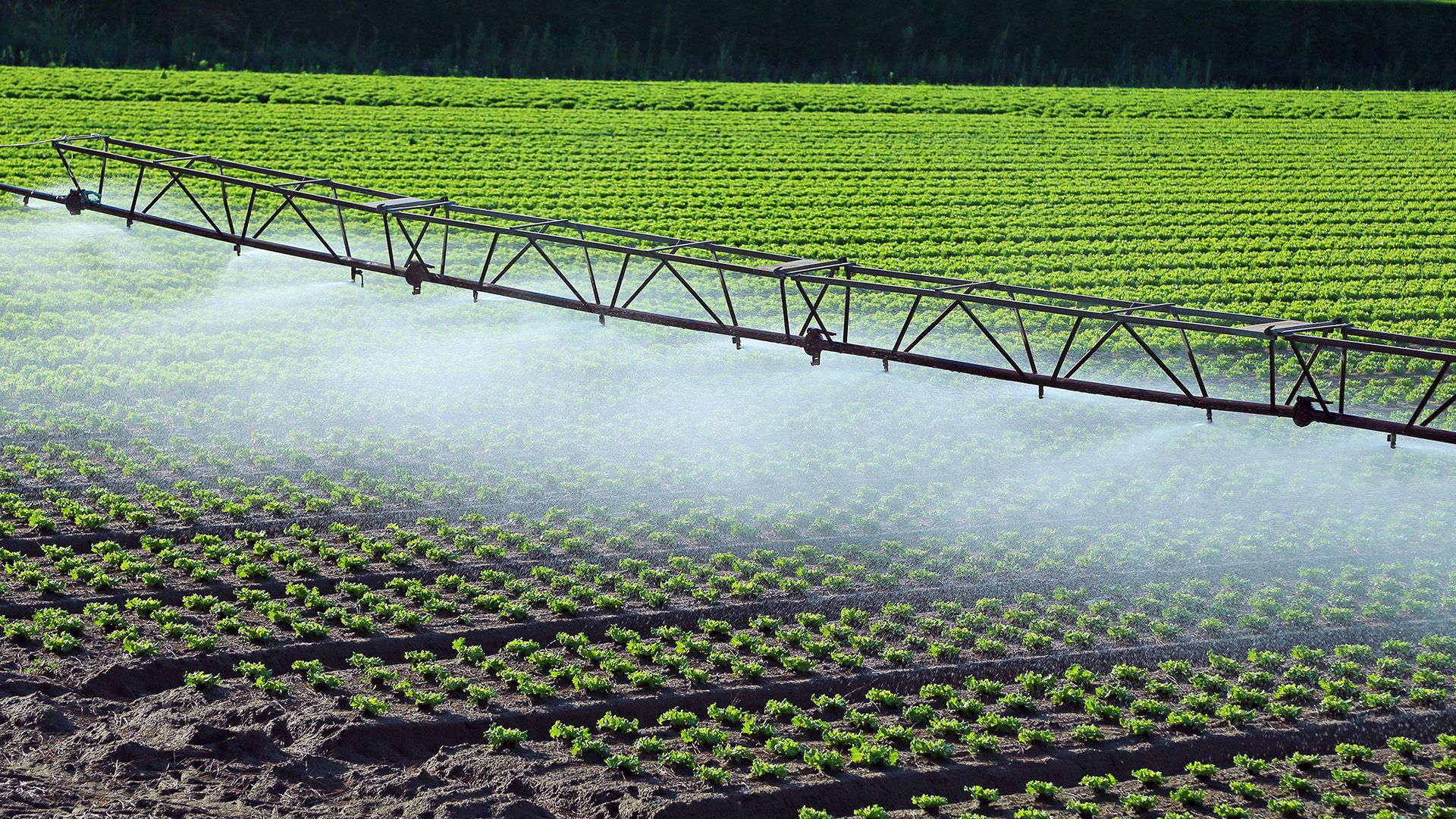
Because water is chronically scarce in many parts of California, these mountain-fed streams are heavily managed to support the state’s needs. Three-fourths of the streams draining the western slopes are controlled by complex systems of dams and reservoirs. These include major infrastructure like the California State Water Project, which transports water from northern Sierra rivers to communities as far south as the Mexican border, and the Hetch Hetchy Reservoir, which provides water to San Francisco.1011
Sources
- Bridalveil Fall — Encyclopædia Britannica
- glacial landform - Hanging valleys — Encyclopædia Britannica
- glacial landform - Cirques , tarns, U-shaped valleys, arêtes, and horns — Encyclopædia Britannica
- Yosemite National Park — Encyclopædia Britannica
- river - Falls attributable to discordance of river profile — Encyclopædia Britannica
- river - Falls attributable to constructional processes — Encyclopædia Britannica
- Yosemite Falls — Encyclopædia Britannica
- Upper Yosemite Fall — Encyclopædia Britannica
- California - Drainage — Encyclopædia Britannica
- Sierra Nevada - The people and economy — Encyclopædia Britannica
- Sierra Nevada - Climate of the Sierra Nevada — Encyclopædia Britannica
Published on · 3 min read