Bristling
The term "bristling" is the present participle of the verb bristle, which carries several distinct meanings depending on the context:
What is bristling?
The term “bristling” is the present participle of the verb bristle, which carries several distinct meanings depending on the context:
- Physical Reaction: It describes the act of rising or standing stiffly erect, such as when an animal raises its fur or quills in response to anger or a threat.1
- Emotional Response: It refers to taking on an aggressively defensive or angry attitude, often in reaction to criticism or a perceived slight. In this sense, it is synonymous with terms like storming, raging, or fuming.123
- Abundance: It is used to describe a state of being copiously supplied, full of, or covered with something. For example, a city might be described as “bristling with possibilities,” or a roof might “bristle with chimneys”. Synonyms for this usage include teeming, swarming, brimming, or overflowing.123
Why do animals raise their fur when they feel threatened?
Animals raise their fur when they feel threatened as part of an involuntary physiological reaction known as piloerection. This process is triggered by the sympathetic nervous system as part of the fight-or-flight response, which prepares the body for imminent danger.56
The mechanism functions through the contraction of small muscles at the base of hair follicles called the arrector pili. When these muscles contract, they cause individual hairs to stand upright. This reaction serves several biological purposes:75
- Insulation: By altering the insulative qualities of the pelage, the animal can better regulate its body temperature.7
- Defense and Communication: Raising the fur can make an animal appear larger and more intimidating to potential predators. In many species, this physical change is a form of communicative behavior, sometimes used to signal warning or aggression.7
What are some other ways animals communicate through body language?
Animals utilize a diverse array of body language beyond just raising their fur to communicate intentions, emotions, and social status. These behaviors often evolve from “intention movements”—preparatory acts that signal what an animal is about to do next—and are frequently governed by the principle of antithesis, where submissive signals are the physical opposite of aggressive ones.8
Common forms of animal body language include:
- Posture and Stance: Animals often use their entire body to signal intent. For example, a cat may arch its back and turn sideways to appear larger and more ferocious when threatened, while a submissive cat will crouch low to appear smaller. Similarly, a dog may signal aggression by standing stiffly or submissiveness by lowering its posture.91011
- Tail Signaling: Beyond simple movement, the position and motion of a tail convey specific messages. A tail held erect often signals confidence or a friendly greeting, whereas a tail tucked between the legs indicates fear or defeat. In dogs, the speed and height of a wag can distinguish between friendliness, agitation, or nervousness.91011
- Facial Expressions: Wrinkling the nose, baring teeth, or flattening ears are common signals used to communicate aggression or fear.98
- Tactile Communication: Physical contact, such as grooming (allopreening or allogrooming), serves both hygienic and social functions, signaling group affiliation or pair bonds.12
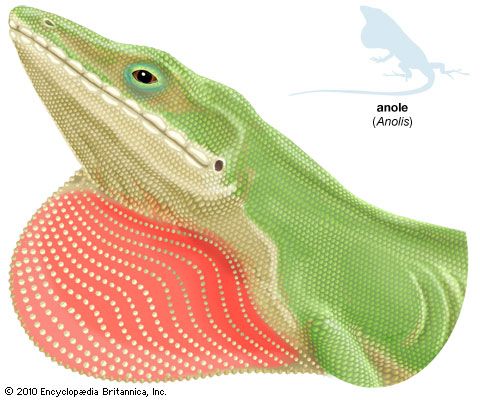
- Movement Patterns: Some animals use specific movements to attract attention or mates. For instance, male anole lizards perform “push-up” displays to repel rivals and attract females, mimicking the jerky motions of prey to ensure they are noticed.8
How does the word ‘bristling’ change meaning when used to describe a person’s mood?
When used to describe a person’s mood, the word “bristling” shifts from its literal biological meaning—the piloerection or standing up of hairs—to a metaphorical expression of intense anger or defensiveness.1
While the literal term refers to an involuntary physical reaction to shock or fright, applying “bristling” to a person’s mood implies an active, often outward display of irritation or hostility. When someone “bristles” at a comment or accusation, they are reacting with sharp, visible indignation, similar to how an animal might physically puff up to appear more threatening.216
In this context, the term aligns with synonyms such as:
- Fuming or raging: Indicating a state of active, heated anger.26
- Seething or smoldering: Suggesting a volatile, internal pressure that is ready to erupt.26
- Chafing: Reflecting a sense of annoyance or impatience.26
Essentially, the word captures the transition from a calm state to one of sudden, sharp agitation, mirroring the way an animal’s fur stands on end when it feels challenged.261
Sources
- bristling — Merriam-Webster
- bristled — Merriam-Webster
- bristle — Merriam-Webster
- bristle — Merriam-Webster
- mammal - Skin and hair — Encyclopædia Britannica
- piloerection — Merriam-Webster
- sympathetic nervous system — Encyclopædia Britannica
- cat - Body language and communication — Encyclopædia Britannica
- Animal communication - Signal production — Encyclopædia Britannica
- Animal communication - Evolution of signals — Encyclopædia Britannica
- Why do dogs wag their tails? — Encyclopædia Britannica
- 16 Questions About Pets Answered - Why does my dog wag its tail when it’s happy to see me? — Encyclopædia Britannica
Published on · 3 min read