Wildfire
Controlled burns, also known as prescribed fire, are a vital land management tool used to prevent and mitigate the severity of wildfires. By intentionally…
What role do controlled burns play in wildfire prevention?
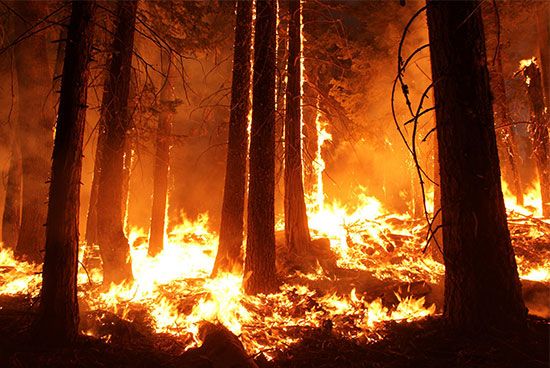
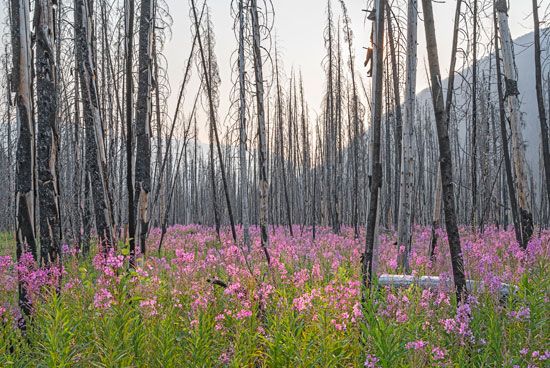
Controlled burns, also known as prescribed fire, are a vital land management tool used to prevent and mitigate the severity of wildfires. By intentionally applying fire to vegetation under specific, managed conditions, land managers can significantly reduce “fuel loading”—the accumulation of dry brush, litter, and woody debris that would otherwise provide fuel for intense, uncontrollable wildfires.12
The primary role of these burns in fire prevention includes:
- Hazard Reduction: By periodically clearing accumulated fuels, controlled burns limit the intensity and rate of spread of future wildfires, making them easier to manage if they do occur.12
- Ecosystem Restoration: Many ecosystems are fire-adapted, meaning they rely on periodic fire to maintain health. Years of fire suppression have allowed unnatural fuel buildups in areas like prairies and shrublands; prescribed fire restores these landscapes to their historical, more resilient states.13
- Strategic Management: Practitioners use detailed burn plans that account for weather, topography, and fuel types to ensure the fire behaves as intended, effectively creating a buffer that protects surrounding areas.1
How do different types of vegetation affect the spread and intensity of wildfires?
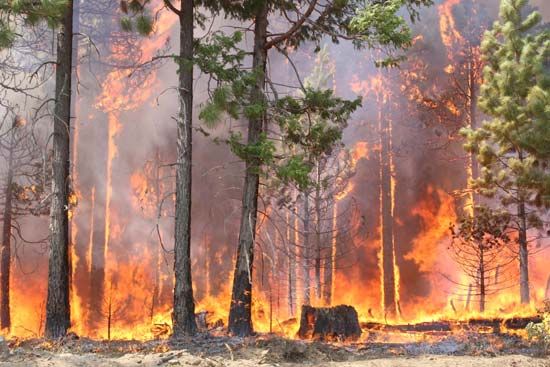
The type and condition of vegetation significantly influence how wildfires behave, acting as either “flash fuels” that accelerate spread or as structural elements that dictate fire intensity.4
Fuel Types and Fire Behavior
- Flash Fuels: Dried grass, leaves, and light branches ignite readily and allow fire to spread rapidly. These fuels often generate sufficient heat to ignite heavier materials, such as tree stumps and large limbs, which are otherwise slow to kindle but difficult to extinguish.4
- Green Fuels: While living vegetation is generally less flammable, intense fires can dry out leaves and needles quickly, enabling ignition. Certain evergreens, such as pine, cedar, fir, and spruce, contain flammable oils that can cause them to burst into flames when exposed to the searing drafts of a forest fire.4
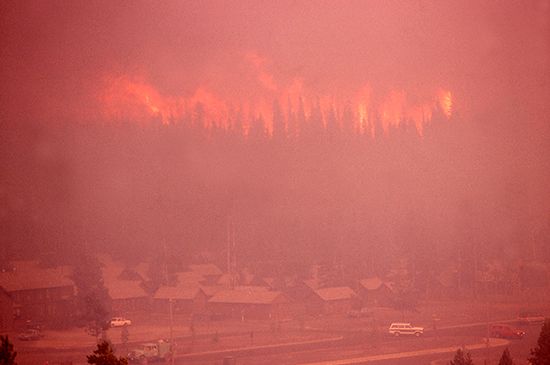
- Crown Fires: In dense forests, fires can “crown,” spreading rapidly through the topmost branches of trees. This can lead to violent blowups and the development of firestorms.5
Vegetation Adaptations and Fuel Loads
The historical presence of fire has shaped many ecosystems. In areas where fire has been suppressed, unnatural fuel loads—such as encroaching species and dense undergrowth—have accumulated, leading to more extreme and intense conflagrations when fires finally occur. Conversely, some species have evolved to reduce fire damage, such as trees with thick, fire-retardant bark or those that “self-prune” dead lower branches to keep fuel away from their crowns.456
What techniques and technologies are used to prevent and combat wildfires?
To prevent and combat wildfires, land managers and firefighting agencies employ a combination of strategic planning, hazard reduction, and advanced suppression technologies.
Prevention and Hazard Reduction
Prevention focuses on reducing both risk and hazard. Risk management involves public education and law enforcement to limit human-caused ignitions. Hazard reduction aims to minimize the fuel available for a fire to consume:
- Prescribed burning: Intentionally setting controlled fires to clear accumulated brush, litter, and woody debris, which prevents more intense, uncontrollable wildfires later.34
- Firebreaks: Creating gaps in vegetation—such as roads, power-line tracks, or cleared belts of land—to stop fire spread. These are often maintained by mowing or grazing to keep them clear of flammable material.3
Suppression Techniques and Technology
Once a fire is detected, the goal is to break the “fire triangle” of fuel, temperature, and oxygen.3
- Detection: While traditional tower lookouts remain in use, modern efforts rely on satellites, radar, and aircraft equipped with high-resolution photography and heat-sensing devices to pinpoint fires accurately.34
- Containment: Ground crews use hand tools (axes, rakes, power saws) and heavy machinery like bulldozers to clear control lines down to mineral soil. In extreme cases, crews may use backfiring—deliberately setting a fire to consume fuel in the path of an oncoming blaze—as a last resort.34
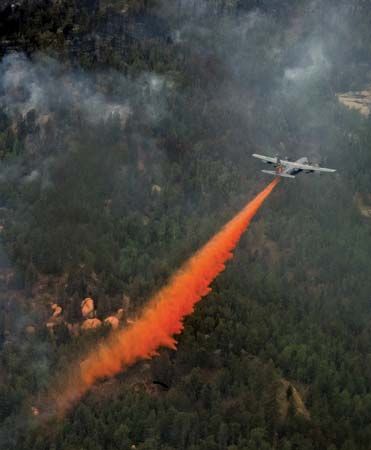
- Extinguishing Agents: Beyond water, firefighters use wetting agents to improve penetration and chemical retardants to reduce the flammability of fuels. Foaming agents are also used to cool and insulate vegetation.3
- Aerial Support: Airplanes and helicopters are essential for dropping water and chemicals, conducting reconnaissance, and transporting personnel and equipment to inaccessible areas.34
What are some indigenous fire management practices, and how do they differ from modern approaches?
Indigenous fire management and modern prescribed burning share the fundamental technique of using intentional fire to shape landscapes, yet they differ significantly in their primary objectives and historical context.
Indigenous Fire Practices
For millennia, Indigenous peoples—such as Australian Aborigines and various North American Native groups—have utilized fire as a sophisticated tool for land stewardship. Their practices were deeply integrated into daily life and survival, focusing on:
- Resource Management: Fires were used to encourage the growth of specific plants for food, medicine, clothing, and basketry materials.
- Hunting and Access: Burning helped clear land for easier travel, reveal small game, and create fresh, green growth that attracted larger animals for hunting.
- Protection: Indigenous practitioners often utilized early-season, lower-intensity fires to create protective firebreaks around sensitive areas, such as rainforest patches, shielding them from more destructive late-season blazes.
Modern Approaches
Modern land management primarily views fire through the lens of risk mitigation and ecological restoration. Key differences include:
- Risk Reduction: A central goal today is to decrease “fuel loading”—the accumulation of dry brush and debris—to minimize the intensity and spread of uncontrollable wildfires.
- Restoration: Following decades of fire suppression in the 19th and 20th centuries, which allowed unnatural fuel loads to build up, modern prescribed fire is used to restore historical ecosystem conditions and promote the health of fire-adapted species.
- Scientific Planning: Modern burns are governed by detailed, formal plans that account for specific weather conditions, topography, and ignition patterns to ensure safety and meet precise ecological objectives.
While Indigenous practices were often seasonal and subsistence-based, modern management is frequently a response to the ecological imbalances caused by past fire-exclusion policies.
Sources
- prescribed fire — Encyclopædia Britannica
- Brush fire — Encyclopædia Britannica
- forestry - Fire prevention and control — Encyclopædia Britannica
- Wildfire — Encyclopædia Britannica
- Playing with Wildfire: 5 Amazing Adaptations of Pyrophytic Plants — Encyclopædia Britannica
- Forest fire — Encyclopædia Britannica
- Savanna - Role of wildfire — Encyclopædia Britannica
Published on · 5 min read