Caldera
A caldera is a large, bowl-shaped volcanic depression, typically exceeding one kilometer in diameter, formed when a volcanic cone collapses following the…
What are some famous examples of calderas around the world?
A caldera is a large, bowl-shaped volcanic depression, typically exceeding one kilometer in diameter, formed when a volcanic cone collapses following the rapid evacuation of its underlying magma reservoir.12
Famous examples include:
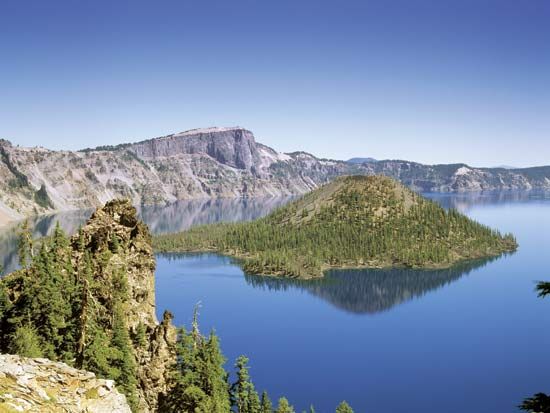
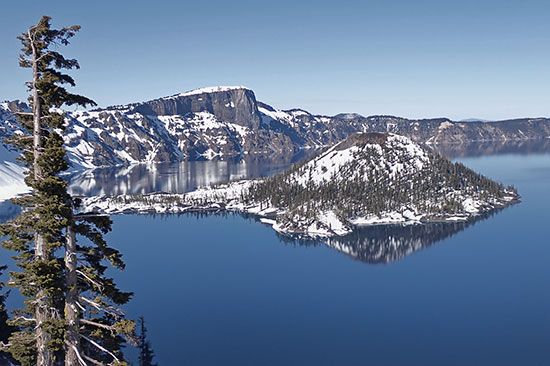
- Crater Lake: Located in Oregon, this iconic caldera formed after the collapse of Mount Mazama approximately 7,700 years ago. It is now filled with water and features Wizard Island, a cinder cone on its floor.13
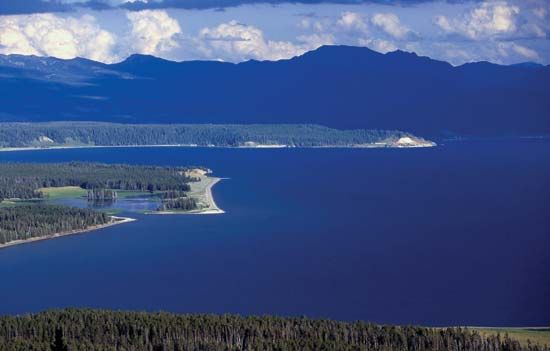
- Yellowstone Caldera: Situated in Wyoming, this massive, roughly oval-shaped basin measures about 30 by 45 miles. It was created by a cataclysmic eruption 640,000 years ago and remains a center of significant volcanic and seismic activity.45
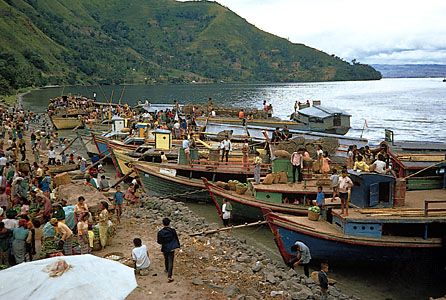
- Lake Toba: Located in Sumatra, this is a large volcano-tectonic depression, which is often even larger than standard calderas and influenced by preexisting tectonic structures.1
- Rotorua-Taupo Basin: A notable example of a volcano-tectonic depression found in New Zealand.1
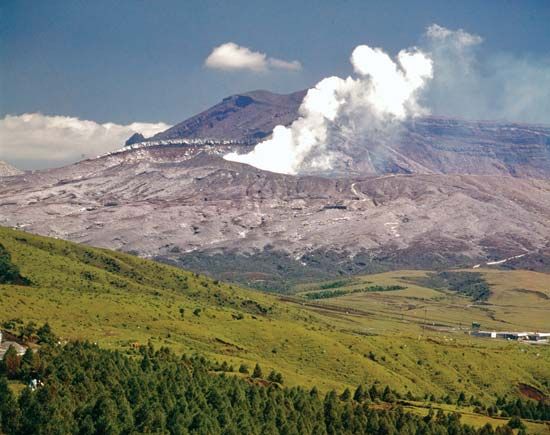
How large can calderas be, and what factors influence their size?
A caldera is defined as a large, bowl-shaped volcanic depression typically exceeding one kilometer in diameter. While they are generally circular or oval, some related features, known as volcano-tectonic depressions, can be even larger and possess irregular, angular outlines governed by preexisting tectonic structures like faults and joints.12
Several key factors influence the formation and size of a caldera:
- Magma Reservoir Depletion: The primary driver is the rapid evacuation of an underlying magma reservoir, often through voluminous eruptions of pumice and ash. When the support previously provided by the magma is removed, the overlying volcanic cone or group of cones collapses into the resulting void.12
- Eruption Intensity: Calderas are frequently associated with large-scale, explosive eruptions—often involving 10 cubic kilometers or more of dacitic or rhyolitic magma—which facilitate the necessary rapid drainage of the magma chamber.2
- Tectonic Influence: For larger volcano-tectonic depressions, the size and shape are heavily influenced by the regional tectonic environment, where crustal movements dictate the boundaries of the collapse.1
- Rift and Lateral Activity: On shield volcanoes, calderas can form when rift eruptions or lateral intrusions drain magma from shallow chambers, causing the summit to subside.2
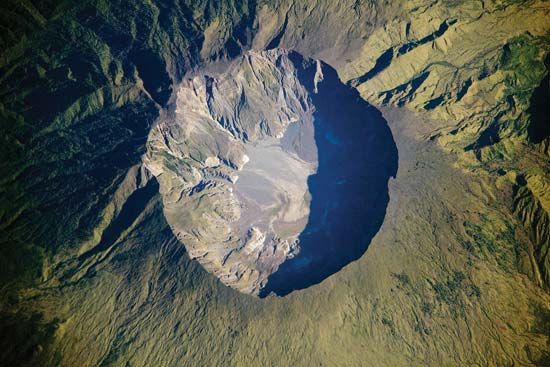
What types of volcanic activity can occur within a caldera after its formation?
After a caldera forms through the collapse of a volcanic cone, the site often remains geologically active. Subsequent volcanic activity can take several forms:
- Minor Eruptions: The floor of a caldera may become the site of later, smaller eruptions. These events can build new, smaller volcanic cones within the depression.12
- Formation of Craters: A smaller crater can develop inside the larger caldera, as seen at Taal Lake in the Philippines.4
- Lake Formation: Calderas frequently fill with water, creating lakes. A well-known example is Crater Lake in Oregon, which formed after the collapse of Mount Mazama.124
- Recurrent Collapse: On active shield volcanoes, such as those in Hawaii, the process of caldera collapse and subsequent refilling can recur multiple times throughout the volcano’s lifetime.4
These post-formation processes demonstrate that a caldera is not necessarily a dormant feature but can continue to evolve through ongoing volcanic and geological activity.4
What is a caldera, and how does it form in geological terms?
A caldera is a large, bowl-shaped volcanic depression typically exceeding one kilometer in diameter, rimmed by steep, inward-facing cliffs. The term, which is Spanish for “caldron,” describes a feature significantly larger than a standard volcanic crater.241
In geological terms, a caldera forms through the collapse of a volcanic cone or group of cones following the rapid evacuation of an underlying magma reservoir2. During voluminous, explosive eruptions—often involving 10 cubic kilometers or more of dacitic or rhyolitic magma—the support for the mountain’s summit is removed. Rather than being “blown away” by explosions, the top of the mountain drops into the resulting void.42
On shield volcanoes, similar collapses occur when large rift eruptions or lateral intrusions drain shallow magma chambers. While some depressions are circular or oval, others known as volcano-tectonic depressions exhibit angular shapes governed by preexisting crustal structures like faults and joints.42
Sources
- Did you know? — Merriam-Webster
- caldera — Encyclopædia Britannica
- Yellowstone Caldera — Encyclopædia Britannica
- volcano - Calderas — Encyclopædia Britannica
- Yellowstone National Park - Geology — Encyclopædia Britannica
- Crater Lake — Encyclopædia Britannica
- volcano - Six types of eruptions — Encyclopædia Britannica
- volcano - Pyroclastic flows — Encyclopædia Britannica
Published on · 3 min read