Crater Lake
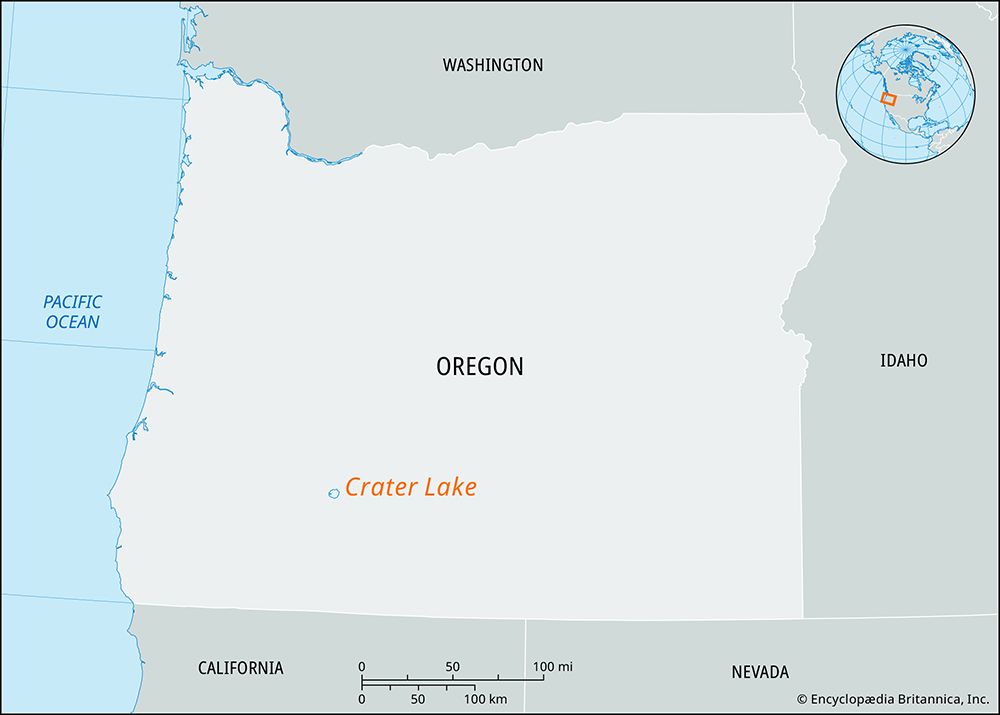
Crater Lake, located in the Cascade Range of Oregon, is distinguished by its extreme depth and exceptional water clarity. With a maximum depth of 1,943 feet…
What makes Crater Lake unique in terms of its depth and water clarity?
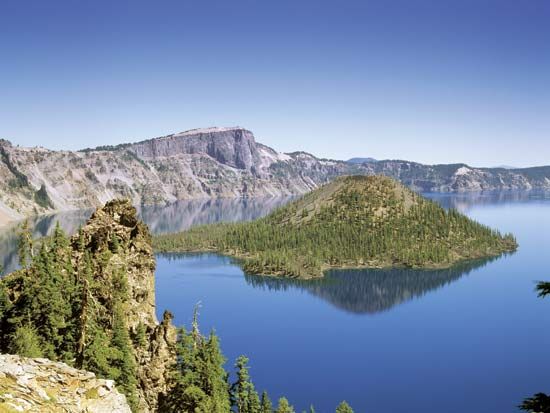
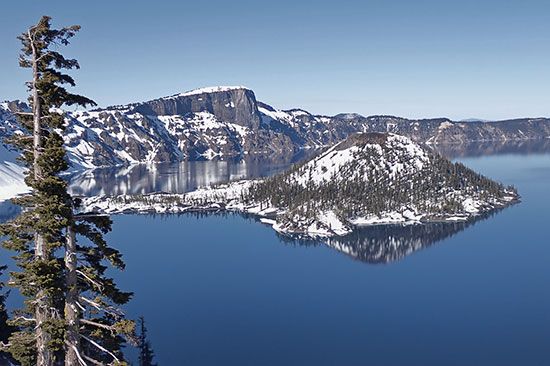
Crater Lake, located in the Cascade Range of Oregon, is distinguished by its extreme depth and exceptional water clarity. With a maximum depth of 1,943 feet (592 meters), it is the deepest lake in the United States and the seventh deepest in the world.1
The lake’s remarkable clarity allows for visibility at depths exceeding 100 feet (30 meters). This transparency is primarily due to the absence of suspended sediment, as the lake is fed directly by precipitation rather than by streams that would otherwise carry debris and particles into the basin. This lack of sediment allows blue and green light waves to reflect off the water, creating the lake’s signature brilliant blue color. Scientists often use tools like a Secchi disk to quantify such water transparency by measuring the depth at which the plate is no longer visible.123
What Native American legends are associated with Crater Lake?
While the provided search results confirm that Crater Lake has long held profound spiritual significance for the Modoc and Klamath Native American tribes, who have utilized the site as a sacred space for shamanism and vision quests, the specific details of the legends associated with the lake are not contained within the provided knowledge base.
Archaeological evidence indicates that human populations were present in the region during the cataclysmic eruption of Mount Mazama approximately 7,700 years ago, an event that fundamentally shaped the landscape and the cultural history of the area.1
How was Crater Lake formed, and how old is it?
Crater Lake was formed approximately 7,700 years ago following the cataclysmic eruption and subsequent collapse of Mount Mazama, a volcano that once stood about 12,000 feet (3,700 meters) tall.14
The formation process is defined as a caldera collapse. Rather than the mountain simply being blown away, the rapid eruption of massive volumes of pumice and ash emptied the underlying magma reservoir. Without this support, the top of the volcanic cone collapsed into the void, creating a large, bowl-shaped depression. Over time, this basin filled with water, primarily from precipitation, resulting in the deep, clear lake seen today. Subsequent minor volcanic activity within the caldera created features such as Wizard Island, which rises from the lake floor.15
What kind of wildlife and plant life can be found in and around Crater Lake?
The protected wilderness surrounding Crater Lake National Park supports a diverse array of flora and fauna.
Wildlife
The park is home to a variety of animals, including:
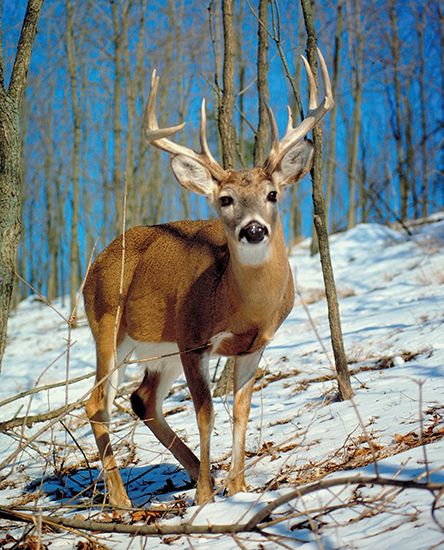
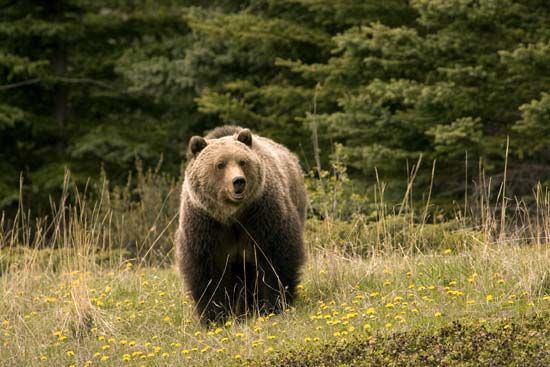
- Mammals: Deer and bears are notable inhabitants of the region.
- Birds: The area hosts eagles, hawks, owls, and grouse. During the summer, the park sees an abundance of songbirds and other insectivorous birds.
- Aquatic Life: While the lake does not have a native fish population, it contains limited numbers of trout and salmon that were introduced by humans.1
Plant Life
The landscape is dominated by dense forests of pine and fir trees. Additionally, the meadows within the park are known for being covered in wildflowers throughout the summer months.1
Sources
- Crater Lake — Encyclopædia Britannica
- Secchi disk — Encyclopædia Britannica
- Secchi disc — Merriam-Webster
- Mazama Ash — Encyclopædia Britannica
- caldera — Encyclopædia Britannica
Published on · 2 min read