Calla
The term "calla" is derived from the New Latin genus name, which is a modification of the Greek word kallaia, meaning "rooster's wattles". While the name is…
How did the calla plant get its name, and what is its cultural significance?
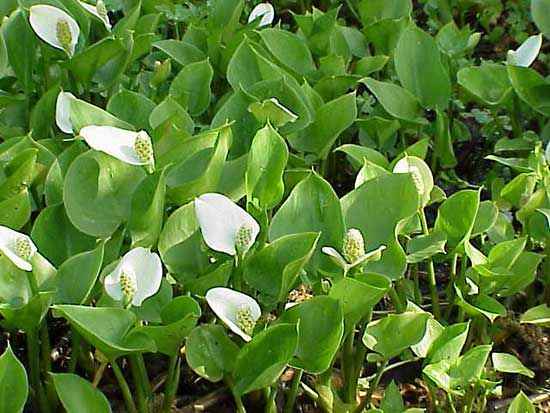
The term “calla” is derived from the New Latin genus name, which is a modification of the Greek word kallaia, meaning “rooster’s wattles”. While the name is often applied to the genus Zantedeschia—popularly known as calla lilies—it also refers to the genus Calla, specifically the aquatic wild plant C. palustris.12
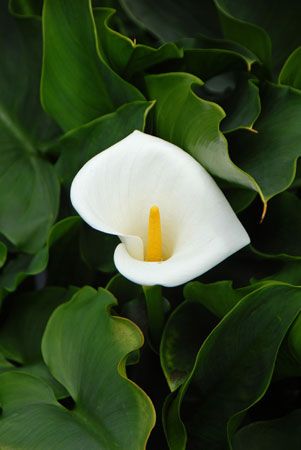
It is important to clarify that the genus Zantedeschia, which includes the common florist’s calla (Z. aethiopica), is named after the Italian botanist Giovanni Zantedeschi. These plants are native to South Africa and are widely cultivated as ornamental indoor plants and cut flowers due to their showy, fragrant spathes. In contrast, the wild calla (C. palustris) is a distinct aquatic plant found in cool, temperate, and subarctic regions, and its juice is known to be violently poisonous.324
While these plants are celebrated for their aesthetic beauty in horticulture, there is no specific cultural significance documented in the provided records beyond their status as popular ornamental species.
What is the scientific name of the calla plant, and to which plant family does it belong?
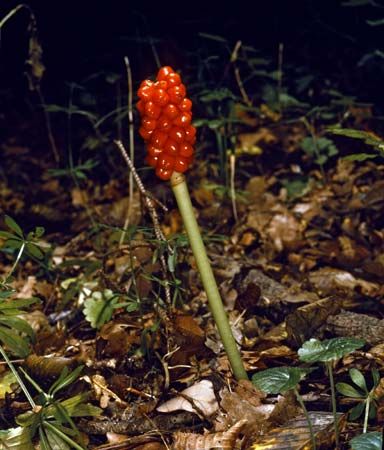
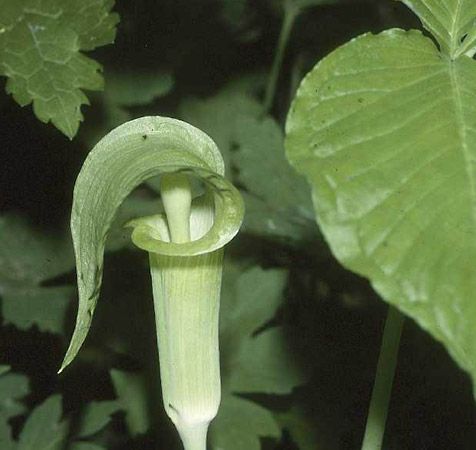
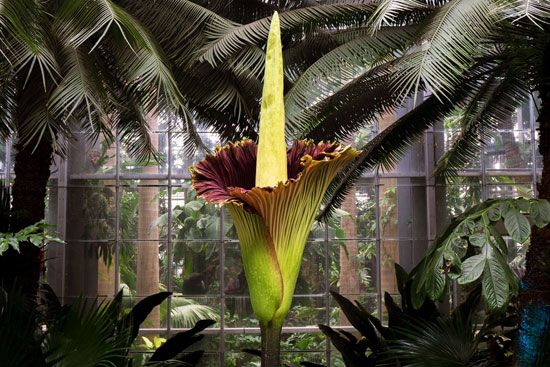
The name “calla” refers to two distinct groups of plants, both of which belong to the arum family, known scientifically as Araceae.15
- The genus Calla: This group contains a single species of aquatic wild plant, C. palustris, commonly known as the wild calla, water arum, or arum lily.1
- The genus Zantedeschia: Often referred to as “calla lilies,” these plants are native to South Africa and are widely cultivated as ornamental flowers. The most prominent species in this group is the common florist’s calla, Z. aethiopica.12
Both genera are characterized by their distinctive inflorescence, which consists of a spadix surrounded by a leaflike bract called a spathe.5
Are there any medicinal or traditional uses for calla plants?
It is important to note that there are no documented medicinal or traditional uses for plants in the genus Calla or the genus Zantedeschia in the provided records. In fact, the juice of the wild calla (C. palustris) is explicitly described as being violently poisonous.1
While some members of the order Alismatales, to which the Araceae family belongs, have historically served as food sources or fertilizers, the “calla” plants are primarily valued for their aesthetic and ornamental qualities rather than for medicinal or nutritional purposes. Because these plants can be toxic, they should not be ingested or used for medicinal experimentation.16
How has the calla plant been depicted in art and literature throughout history?
The provided search results do not contain information regarding the depiction of calla plants in art and literature throughout history. While the records discuss the botanical characteristics of the genus Calla and the genus Zantedeschia, as well as the work of artist Georgia O’Keeffe, they do not document specific historical or literary representations of the calla plant itself.
Sorry, the Britannica knowledge base does not contain this information.
Sources
- Calla — Encyclopædia Britannica
- Zantedeschia — Merriam-Webster
- calla lily — Merriam-Webster
- pink calla — Merriam-Webster
- list of plants in the family Araceae — Encyclopædia Britannica
- Alismatales - Economic value — Encyclopædia Britannica
- Jimson Weed/White Flower No. 1 — Encyclopædia Britannica
- Georgia O’Keeffe - O’Keeffe’s place in art history — Encyclopædia Britannica
Published on · 2 min read