Canoe Cedar
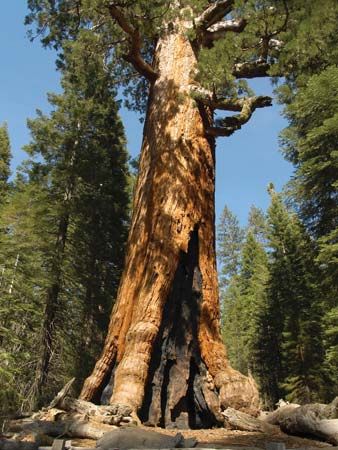
"Canoe cedar" is a common name most frequently applied to the Western red cedar (Thuja plicata), also known as the giant arborvitae. The term is also…
What is Canoe cedar?
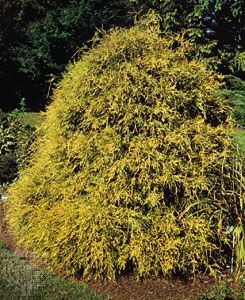
“Canoe cedar” is a common name most frequently applied to the Western red cedar (Thuja plicata), also known as the giant arborvitae. The term is also occasionally used to refer to a species of false cypress.12
Native to the Pacific coast of North America, the Western red cedar is a significant conifer in the cypress family. Indigenous peoples of the Northwest Coast historically relied on these trees for their technology and culture, utilizing the trunks to hollow out canoes, containers, and other essential items. The wood is highly valued for its resistance to moisture and decay, making it ideal for boat making, shingles, and various outdoor applications. Beyond its use in construction, the inner bark of the tree was traditionally harvested and woven into mats, baskets, and clothing.34
How did Indigenous peoples hollow out massive cedar logs to create canoes?
Indigenous peoples of the Northwest Coast created their highly sophisticated dugout canoes by utilizing large trees, most notably the red cedar. The process of hollowing out these massive logs involved a combination of precise manual labor and fire-based techniques.
To shape the hull, craftsmen used tools made from bone, antler, or stone chisels to carve the wood. This work was complemented by the use of controlled burning, which allowed them to efficiently remove material from the interior of the log. These canoes were so well-developed that they remained the premier craft of their type in North America until the late 19th century. Beyond their use for hunting seals and whales or fishing for salmon, these vessels were essential for transporting heavy building materials, such as the wall and roof planks used for large timber dwellings.678
What other items besides canoes were traditionally made from Western red cedar?
Indigenous peoples of the Northwest Coast utilized the versatile Western red cedar (Thuja plicata) for a wide array of functional and ceremonial items beyond canoes. Because the wood is easily worked and durable, it served as the primary material for much of their technology and artistic expression.2
Wooden Items
Craftsmen used traditional tools like adzes and chisels to create numerous objects, including:
- Containers: This included kerfed boxes—made by steaming and bending grooved boards—as well as hollowed-out dishes, trinket boxes, and storage receptacles.2
- Ceremonial Objects: The wood was carved into elaborate masks, rattles, and magnificent totem poles or memorial poles.2
- Household and Utility Items: Common objects included spoons, ladles, canoe bailers, chamber pots, halibut hooks, and even triggers for animal traps. Large timber dwellings featured interior house posts, screens, and housefronts carved from the wood.2
Bark Products
The inner bark of the red cedar was also a vital resource, harvested and processed into various textiles:
- Weaving: Long, ribbonlike strands were woven into mats and baskets using checkerwork techniques.2
- Clothing: Shredded, flexible bark was twined into rain capes shaped like truncated cones. Additionally, the softer inner bark of the yellow cedar was used to create robes.2
Why is Western red cedar wood naturally resistant to moisture and decay?
Western red cedar (Thuja plicata) is renowned for its natural durability and resistance to moisture and decay, qualities that make it highly valued for outdoor applications like shingles, boat building, and fence posts.19
This resistance is primarily attributed to the presence of natural chemical compounds known as extractives within the wood. Specifically, the heartwood of the Western red cedar contains crystalline compounds called thujaplicins. These substances act as potent natural fungicides, effectively protecting the wood from the organisms that typically cause decay.1011
In general, the presence of extractives in wood—which can also include various tannins and resins—often imparts significant durability, as well as distinct colors and odors, to many tree species. By inhibiting the growth of fungi and other wood-degrading agents, these internal chemical defenses allow Western red cedar to remain stable and intact even when exposed to damp environments or direct contact with the soil.1019
Sources
- Western red cedar — Encyclopædia Britannica
- Northwest Coast Indian - Technology and the visual arts — Encyclopædia Britannica
- canoe cedar — Merriam-Webster
- canoe cedar — Encyclopædia Britannica
- western red cedar — Merriam-Webster
- boat - Early boats — Encyclopædia Britannica
- Northwest Coast Indian: Top Questions — Encyclopædia Britannica
- 10 everyday items invented by Indigenous Americans - Canoes and kayaks — Encyclopædia Britannica
- wood - Extractives — Encyclopædia Britannica
- thujaplicin — Merriam-Webster
- cedar — Encyclopædia Britannica
Published on · 3 min read