Beet
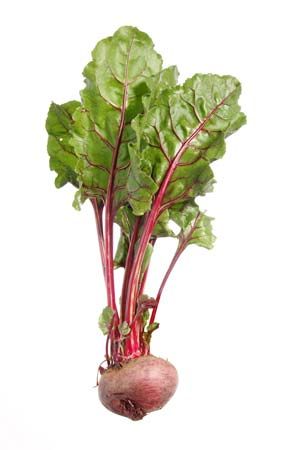
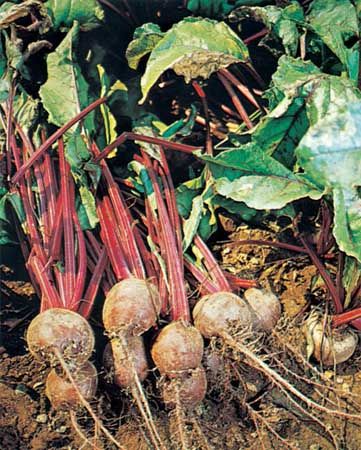
Both the leaves and the taproot of the beet (Beta vulgaris) are edible and widely consumed.
What parts of the beet plant are edible, and how are they typically prepared?
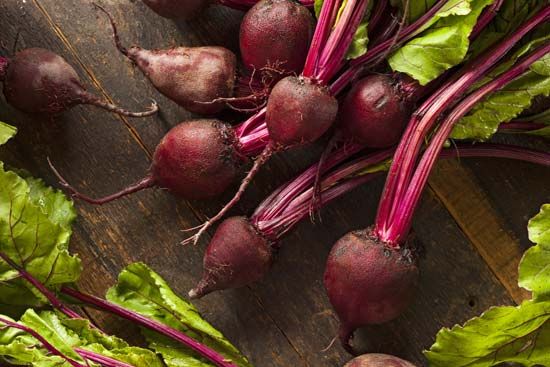
Both the leaves and the taproot of the beet (Beta vulgaris) are edible and widely consumed.
Preparation Methods
- Beetroots: These are frequently roasted or boiled to be served as a side dish. They are also commonly canned, either whole or sliced, and are often prepared pickled, spiced, or in a sweet-and-sour sauce.1
- Beet Greens: The leaves can be cooked in a manner similar to spinach. If the leaves are harvested while young, they can also be eaten fresh.1
It is important to note that while leaves can be harvested throughout the first growing season, overharvesting them may negatively impact the size of the root. Additionally, if the plant reaches its second season and begins to flower, the leaves become bitter and unpalatable.1
What are some common pests and diseases that affect beet plants?
Beet plants are susceptible to various pests and diseases that can impact their growth and yield. Below are some of the most common threats:
Diseases
- Curly Top: This viral disease causes plants to become stunted, with thickened, yellowed, and curled leaves that often die prematurely. It is transmitted by the beet leafhopper, which migrates to fields in the spring. Management strategies include planting thick stands early in the season and eradicating susceptible weeds that serve as hosts2.
- Heart Rot: Unlike fungal-based rots, this condition in beets is caused by a boron deficiency in the soil. It manifests as a dark brown to black internal decay within the root, which can lead to significant crop losses.2
Pests
- Leaf Miners: These are insect larvae that live and feed inside the leaf tissue, creating winding, whitish trails or broad blotch mines. Because they are protected within the leaf, insecticides are often ineffective; manual removal and destruction of infested leaves is a common control method.3
- Japanese Beetles: These scarab beetles are highly destructive. While adults feed on foliage, their larvae live in the soil and feed on plant roots. Control efforts include the use of biological control agents, such as the bacterium Bacillus popilliae, which induces “milky disease” in the larvae.4
How are beets cultivated, and what are their optimal growing conditions?
Beets (Beta vulgaris) are primarily cultivated in temperate to cool regions, thriving during cooler seasons with a typical growing period of 8 to 10 weeks for garden varieties.1
Optimal Growing Conditions
- Soil: Beets require deep, loose, and well-drained soil rich in organic matter. While they tolerate relatively high soil salinity, they are sensitive to high acidity and require adequate levels of boron to prevent growth retardation and root lesions.1
- Climate: They prefer mild temperatures throughout the growing period. For sugar beets, a cold final growth period is beneficial for securing optimal sucrose content.7
Cultivation Practices
- Sowing: Seeds are typically sown in prepared seedbeds. On industrial scales, precision drills are used to ensure specific spacing and depth, often accompanied by the simultaneous application of fertilizers.7
- Maintenance: Beets respond well to fertilizers and manures. Irrigation is essential in regions where precipitation is deficient.17
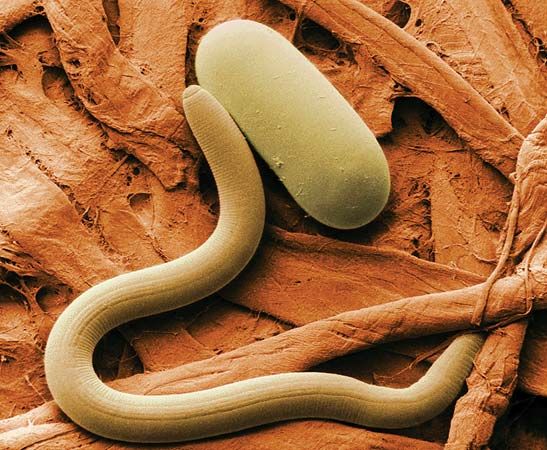
- Rotation: To mitigate damage from soil-borne diseases and nematodes, crops are often rotated with other plants like corn or wheat every four to six years.7
What are the main varieties of beets, and how do they differ?
There are four primary cultivated forms of Beta vulgaris, a flowering plant in the amaranth family (Amaranthaceae). While they share a common botanical origin, they have been developed for distinct purposes:
- Garden Beet (Beetroot): Primarily grown for its thick, fleshy taproot, which is typically dark purplish red but can also be white or orange. It is a popular garden vegetable consumed roasted, boiled, or pickled, and its young leaves are also edible.87
- Leaf Beet (Chard): Cultivated specifically for its nutrient-rich leaves and stalks. Varieties are often distinguished by the color of their leaf ribs, such as white (silver beet) or red (rhubarb chard). It is a staple in many Mediterranean diets.8
- Sugar Beet: The most economically significant variety, developed to accumulate high levels of sucrose in its root. It serves as a major global source of sugar, accounting for about one-third of total production.89
- Fodder Beet (Mangel-wurzel): A succulent form traditionally grown as high-sucrose feed for livestock, though it is also edible for humans.8
Sources
- Beet — Encyclopædia Britannica
- Curly top — Encyclopædia Britannica
- Heart rot — Encyclopædia Britannica
- Coleoptera - As plant feeders — Encyclopædia Britannica
- leaf miner — Encyclopædia Britannica
- Japanese beetle — Encyclopædia Britannica
- Sugar beet — Encyclopædia Britannica
- Beta vulgaris — Encyclopædia Britannica
- sugar - Sugar beet harvest and delivery — Encyclopædia Britannica
Published on · 4 min read