Cay
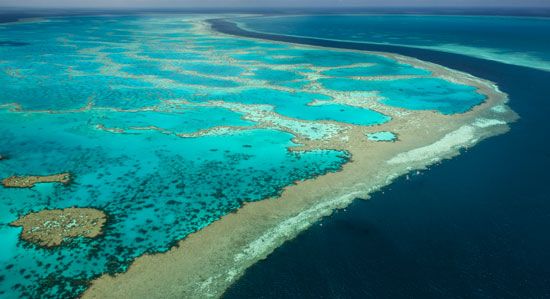
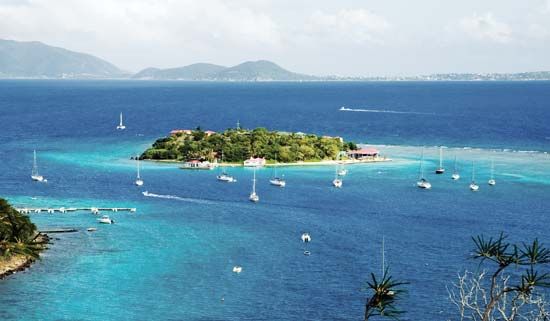
A cay (also known as a key) is a small, low-elevation island, typically composed of sand or coral, that forms on a coral reef platform.
What is the definition of a cay in geography?
A cay (also known as a key) is a small, low-elevation island, typically composed of sand or coral, that forms on a coral reef platform.12
These islands are created when debris from the reef is swept across the platform by tides and waves, eventually accumulating and stabilizing as beach rock and vegetation take hold. Cays generally rise only 1.5 to 3 meters (5 to 10 feet) above high-tide levels, making them highly susceptible to erosion and destruction during severe storms. While they are often found in the Caribbean and near Florida, they are common features in tropical marine environments worldwide.21
What are the typical characteristics of cays in terms of size, shape, and composition?
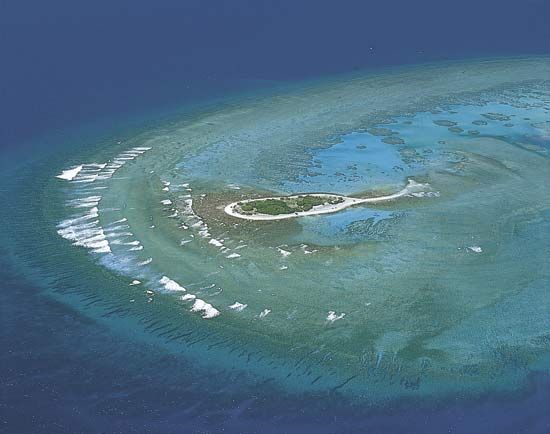
Cays are small, low-elevation islands typically found on coral reef platforms. Their characteristics are defined by their composition, size, and shape:
- Composition: Cays are primarily composed of sand and debris broken from the surrounding reef. Over time, this material can stabilize into beach rock—sand and debris cemented together by precipitated calcium carbonate—allowing the island to become vegetated. Some cays may also feature a rampart of coarser material, such as chunks of dead coral, particularly on the windward side.
- Size and Elevation: These islands are generally small and low-lying, typically rising only 1.5 to 3 meters (5 to 10 feet) above high-tide levels, though wind-blown dunes can occasionally reach higher elevations.
- Shape: Cays are often elongated in a direction perpendicular to prevailing winds. However, their shapes are dynamic; they can change significantly due to sediment deposition during calm weather or erosion during severe storms. Because of their low profile, even larger cays remain vulnerable to destruction by hurricanes or typhoons.
How do cays differ from other small islands or landforms?
Cays are distinct from other landforms primarily through their formation process and geological composition. While many islands are formed by volcanic activity or tectonic uplift, a cay is a low-elevation island built entirely through the accretion of organic debris—such as sand, coral fragments, and skeletal remains—on a coral reef platform.26
Key differences include:
- Formation: Unlike islands created by uplift, which are often rocky and feature cliffs or karst topography, cays are formed by the accumulation of reef detritus swept by waves and currents.6
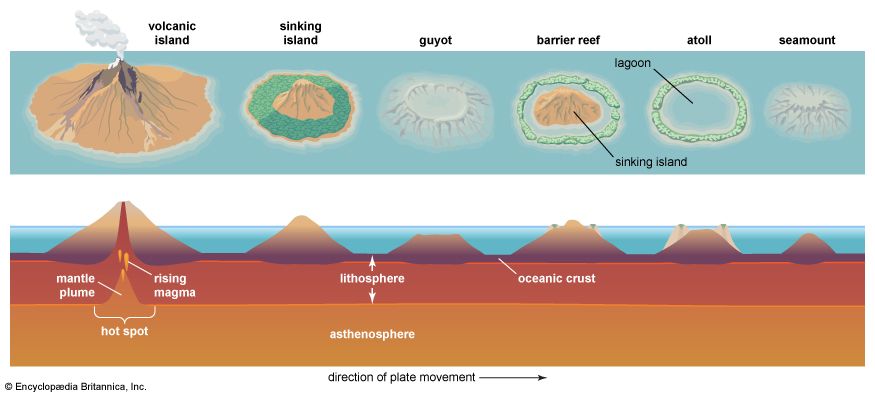
- Structure vs. Atolls: An atoll is a large, ring-shaped reef system surrounding a central lagoon. In contrast, a cay is a small, localized feature that typically sits atop the flat surface of a larger reef system.7826
- Stability: Cays are highly dynamic and precarious; they are often shaped by prevailing winds and are vulnerable to being reshaped or destroyed by severe storms, whereas larger islands formed by volcanic or tectonic processes are generally more geologically permanent.26
How are cays formed, and what are the main geological processes involved?
Cays are low-lying islands formed primarily through the process of accretion, where organic debris—such as sand, coral fragments, and skeletal remains—accumulates on the flat surface of a coral reef platform.9
Main Geological Processes
The formation of a cay involves several dynamic physical and chemical processes:
- Sediment Transport and Deposition: Waves and tidal currents lift sediment from the reef surface and transport it toward the leeward side of the reef. As water velocity drops abruptly, this material is deposited, forming shoals that eventually rise above the high-tide mark.210
- Storm Activity: While regular wave action builds the foundation, severe storms and hurricanes play a dual role. They can rapidly heap up coarse coral fragments and rubble into banks or shoals, sometimes creating an island in a single event, but they can also erode or destroy established cays.29
- Cementation and Lithification: The loose sediment is stabilized through cementation. Rainwater dissolves the calcium carbonate in the reef debris, and as this solution redeposits, it binds the grains together to form beach rock. This process of lithification provides the structural integrity necessary for the island to persist.10119
- Biological Stabilization: Once the landmass is stable enough, it is colonized by vegetation. Plant roots and organic matter further trap sediment and contribute to soil development, significantly increasing the island’s stability.29
Sources
- cay — Merriam-Webster
- cay — Encyclopædia Britannica
- list of islands - The Bahamas — Encyclopædia Britannica
- Cayman Islands - Land — Encyclopædia Britannica
- coastal landforms - Tides — Encyclopædia Britannica
- atoll — Merriam-Webster
- atoll — Merriam-Webster
- coral island — Encyclopædia Britannica
- coral reef - Winds , currents, temperature, and salinity — Encyclopædia Britannica
- coral reef - Structure — Encyclopædia Britannica
- lithification — Encyclopædia Britannica
- coastal landforms - Waves — Encyclopædia Britannica
Published on · 3 min read