Cayman Islands
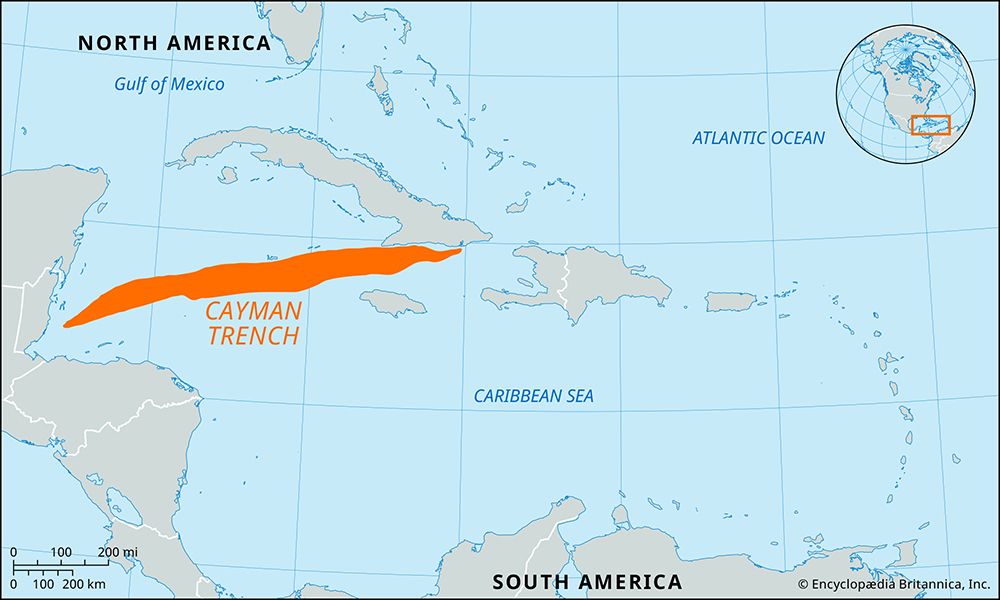
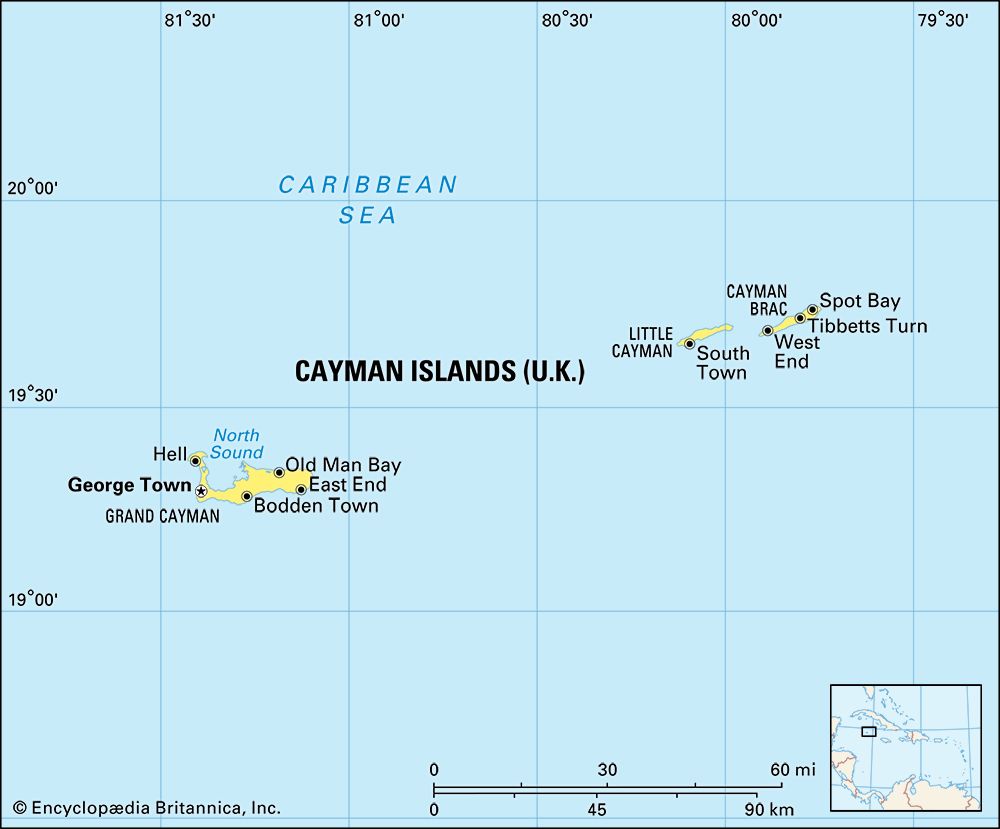
The Cayman Islands are a United Kingdom Overseas Territory located in the Caribbean Sea. Their political status is defined by internal autonomy under the…
What is the political status of the Cayman Islands, and how are they governed?
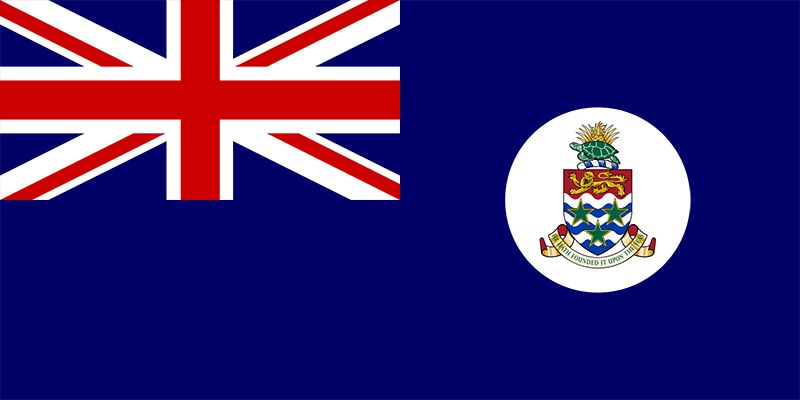
The Cayman Islands are a United Kingdom Overseas Territory located in the Caribbean Sea. Their political status is defined by internal autonomy under the British Crown, with the British monarch serving as the head of state, represented locally by a governor.123
Governance is structured as follows:
- Executive Branch: The governor is responsible for foreign affairs, defense, internal security, and the police. The head of government is the premier, who leads a cabinet that includes six other appointed members and two nonvoting officials: the deputy governor and the attorney general.3
- Legislative Branch: The territory is governed by a Parliament, which consists of 15 elected members and three non-elected cabinet members.3
- Judicial Branch: The legal system comprises three levels of courts: subordinate courts, the Grand Court, and the Court of Appeal. The judiciary operates under the oversight of the chief justice, with appointments managed by the governor based on the advice of a Judicial and Legal Services Commission.3
How has the history and culture of the Cayman Islands been shaped by various influences?
The history and culture of the Cayman Islands have been shaped by a blend of colonial heritage, maritime tradition, and modern global influences.
Historical Foundations
Sighted by Christopher Columbus in 1503, the islands were initially a resource for turtle hunting. Following the Treaty of Madrid in 1670, they were ceded to Great Britain. Early permanent settlements comprised British mariners, privateers, shipwrecked passengers, and enslaved Africans. This diverse origin, followed by integration after the emancipation of slaves in 1835, fostered a socially homogeneous society.6
Cultural Influences
While the islands maintain strong political and historical ties to the United Kingdom, their contemporary culture is notably Americanized. The population is ethnically diverse, with residents of British, African, and mixed ancestry. English is the official language, though various dialects are spoken, and Christianity remains the dominant religion.47
Cultural life is supported by institutions like the Cayman Islands National Museum, which preserves the islands’ seafaring legacy, and the National Gallery, which promotes visual arts. Residents also engage in traditional crafts, such as jewelry making from black coral.4
What is the climate like in the Cayman Islands, and how does it affect daily life and tourism?
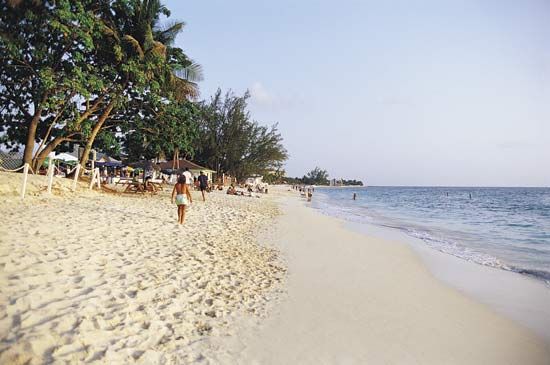
The Cayman Islands enjoy a pleasant tropical climate, which serves as a cornerstone of the territory’s economy and appeal to visitors. Temperatures remain moderate throughout the year, with an annual average of about 81 °F (27 °C). The islands experience a distinct dry season and a rainy season that extends from mid-May through October, while the period from November to March is notably cooler, with temperatures ranging between 65–75 °F (18–24 °C).89
This climate is central to the islands’ tourism industry, which is a primary economic pillar. The favorable weather and physical beauty attract hundreds of thousands of stopover tourists annually, alongside approximately one million cruise ship visitors. The islands have also cultivated a strong reputation for diving, which is facilitated by the year-round temperate conditions.9
However, the climate also presents risks; the region is susceptible to hurricanes from June through November. Severe storms, such as Hurricane Ivan in 2004, can cause significant economic disruption, particularly to the tourist sector and infrastructure, necessitating large-scale recovery efforts.8410
How has the population of the Cayman Islands changed over time, and what factors influenced these changes?
The population of the Cayman Islands has evolved from a small, isolated settlement into a diverse community. Early permanent inhabitants consisted of British mariners, privateers, shipwrecked passengers, and enslaved Africans, eventually forming a socially homogeneous society following the emancipation of slaves in 1835.9
Today, the population is ethnically diverse, with approximately one-fifth of residents being of European (mainly British) ancestry, one-fifth of African descent, and two-fifths of mixed African and European ancestry. The remainder of the population consists of other mixed ancestries and expatriates.1
Several factors have influenced these demographic changes:
- Economic Development: The growth of the offshore banking sector and the expansion of tourism have created a labor shortage, leading to a significant reliance on immigrants who work on tightly controlled permits.7
- Urbanization: The population is heavily concentrated, with more than four-fifths of residents living on Grand Cayman and over half residing in the main population center of George Town.1
- Current Estimates: As of 2026, the estimated population is 97,100, with projections suggesting a figure of 75,000 by 2030.4
Sources
- Cayman Islands: Country Facts — Encyclopædia Britannica
- Cayman Islands - Government and society — Encyclopædia Britannica
- Cayman Islands — Encyclopædia Britannica
- Cayman Islands - History — Encyclopædia Britannica
- flag of Cayman Islands — Encyclopædia Britannica
- Cayman Islands - Cultural life — Encyclopædia Britannica
- Cayman Islands - People — Encyclopædia Britannica
- Cayman Islands - Land — Encyclopædia Britannica
- Cayman Islands - Economy — Encyclopædia Britannica
- Caribbean Sea - Climate — Encyclopædia Britannica
- Yukon - Demographic trends — Encyclopædia Britannica
Published on · 3 min read