Ranunculales
The order Ranunculales, commonly known as the buttercup order, comprises seven distinct plant families. These families are:

Which plant families are included in the Ranunculales order?
The order Ranunculales, commonly known as the buttercup order, comprises seven distinct plant families. These families are:1
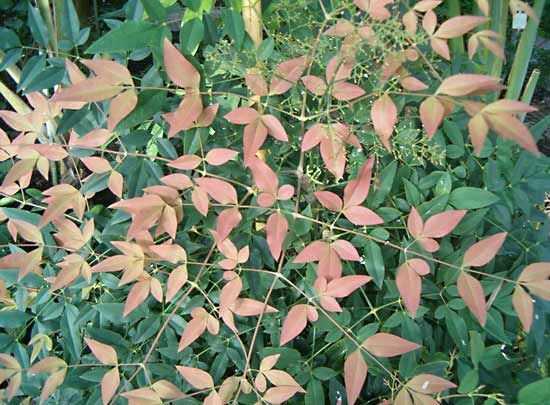
- Berberidaceae (the barberry family)
- Circaeasteraceae
- Eupteleaceae
- Lardizabalaceae
- Menispermaceae (the moonseed family)
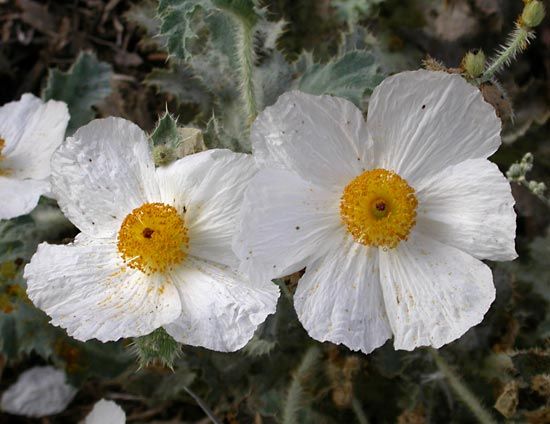
- Papaveraceae (the poppy family)
- Ranunculaceae (the buttercup family)
Members of this order exhibit a wide range of growth forms, including annual and perennial herbs, woody vines, shrubs, and occasionally trees. They are characterized by the presence of various alkaloids, which can be toxic to humans and livestock, and they are considered part of the peripheral eudicots, typically possessing pollen with three openings.1

How have plants from the Ranunculales order been used historically in medicine or cultural practices?
Plants within the Ranunculales order have been utilized throughout history for both their medicinal properties and their cultural significance, though many species are also noted for their toxicity due to the presence of potent alkaloids.1
Medicinal and Cultural Uses
- Opium Poppy (Papaver somniferum): Perhaps the most historically significant member of the order, this plant has been cultivated since antiquity. The milky latex found in its unripe seed capsules is the source of opium, which has been used for centuries for its pain-relieving properties. Modern medicine derives essential compounds from this latex, including morphine, codeine, and heroin.415
- Curare: Derived primarily from Chondrodendron tomentosum in the Menispermaceae family, this substance has been used historically as a poison and is utilized in modern medicine as a muscle relaxant during surgical procedures.1
- Ornamental and Traditional Use: Many other members of the order, such as hellebores and monkshood, are widely grown as ornamentals. However, they are also recognized for their extreme toxicity; for instance, Aconitum ferox (monkshood) contains one of the deadliest poisons known, historically earning it the name “wolfsbane”.1
While these plants have provided humanity with powerful medical tools, their inherent toxicity necessitates caution and respect for their biological potency.

What are the main characteristics of plants in the Ranunculales order?
The Ranunculales order, commonly known as the buttercup order, consists of seven families and approximately 2,830 species. These plants exhibit a diverse range of growth forms, including annual and perennial herbs, woody vines, shrubs, and occasionally trees.2
Key Characteristics
- Pollen Structure: A defining feature of the order is that their pollen typically possesses three openings (colpi), which distinguishes them from many basal angiosperms and monocotyledons.2
- Chemical Composition: Members of this order are generally characterized by the presence of various alkaloids, which can be highly toxic to humans and livestock. They notably lack the ethereal oils found in many basal flowering plant orders.2
- Floral Morphology: In most members of the order, the carpels are unfused. Additionally, it is believed that the petals in this order evolved from staminodes (sterile stamens) rather than from bracts.2
- Distribution: While they are found globally, they are most diverse in temperate and subtropical regions.72
The order includes the Ranunculaceae (buttercup family), Papaveraceae (poppy family), Berberidaceae (barberry family), Menispermaceae (moonseed family), Lardizabalaceae, Eupteleaceae, and Circaeasteraceae.2
What is the evolutionary significance of the Ranunculales order in plant taxonomy?
The Ranunculales order holds significant evolutionary importance as a key group of “basal eudicots”. Its position in plant taxonomy provides critical insights into the transition from early, less specialized flowering plants to the more complex and stereotyped core eudicots.819
Evolutionary Significance
- Defining Eudicot Characteristics: Ranunculales are classified as eudicots, a major monophyletic lineage defined by pollen that typically features three furrows or pores (tricolpate). This distinguishes them from the single-pored pollen found in monocots and basal angiosperms.98
- Evolutionary “Grade”: Along with other peripheral eudicot orders like Proteales and Buxales, Ranunculales represents an early branching lineage. Studying these plants helps botanists understand the evolutionary steps that preceded the highly standardized floral morphology—such as the “5 + 5 + (5 or 10) + (3 or 5)” pattern—seen in the more derived core eudicot clades like Rosids and Asterids.819
- Fossil Record: The order is among the oldest known angiosperm lineages, with fossils of early members dating back to the Early Cretaceous. Their presence in the fossil record provides essential data for understanding the early diversification and radiation of flowering plants.10
- Morphological Transitions: Ranunculales exhibit unique evolutionary traits, such as petals that appear to have evolved from staminodes (sterile stamens) rather than bracts, and generally unfused carpels, offering a window into the ancestral states of floral development.8
Sources
- Ranunculales — Encyclopædia Britannica
- Ranunculaceae — Encyclopædia Britannica
- list of plants in the family Ranunculaceae — Encyclopædia Britannica
- opium poppy — Merriam-Webster
- poppy — Encyclopædia Britannica
- Menispermaceae — Merriam-Webster
- alkaloid — Encyclopædia Britannica
- angiosperm - Eudicots — Encyclopædia Britannica
- angiosperm - Paleobotany and evolution — Encyclopædia Britannica
- angiosperm - Annotated classification — Encyclopædia Britannica
Published on · 3 min read