Cenote
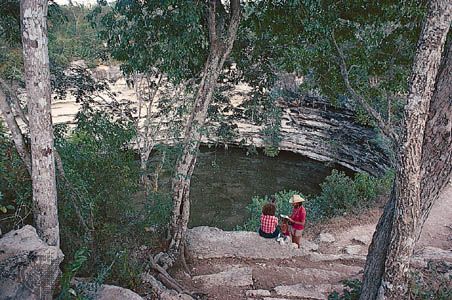
A cenote (pronounced /sih-NOH-tee/) is a deep natural sinkhole or reservoir formed when a limestone surface collapses, exposing the groundwater beneath. The…
What is Cenote?
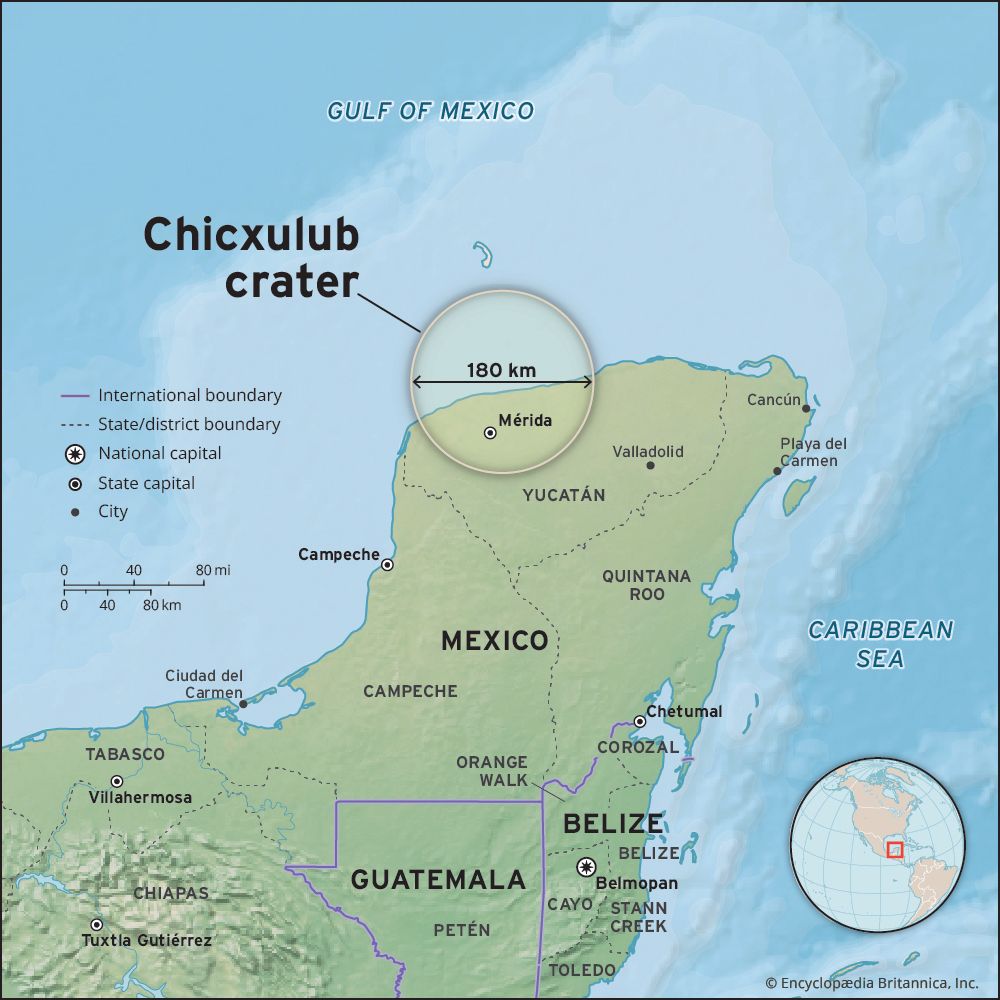
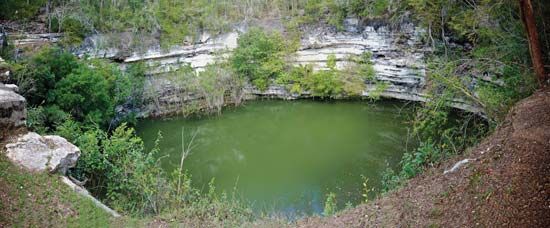
A cenote (pronounced /sih-NOH-tee/) is a deep natural sinkhole or reservoir formed when a limestone surface collapses, exposing the groundwater beneath. The term is derived from the Yucatec Maya word ts’onot and is most commonly associated with the Yucatán Peninsula, where these formations serve as a vital water source.123
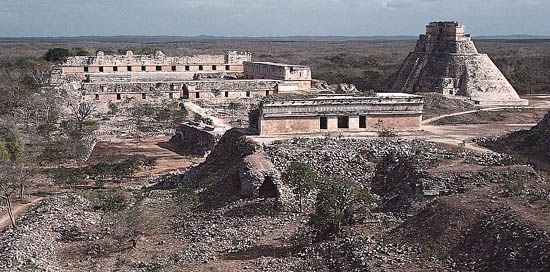
Beyond their geological significance, cenotes held profound cultural and religious importance for the ancient Maya. They were often linked to the cult of the rain god, Chaac, and served as sites for ritual offerings. At the ancient city of Chichén Itzá, for example, precious items such as gold, jade, and copper—as well as human beings—were cast into the water as sacrifices to appease the gods. Archaeological dredging of these sites has confirmed these historical accounts through the recovery of various artifacts and skeletal remains.14
How does limestone collapse to create a sinkhole?
Sinkholes form through the chemical weathering of limestone bedrock, a process fundamental to karst topography.56
When slightly acidic rainwater infiltrates the soil, it reaches the underlying soluble bedrock. Through chemical reactions, the water dissolves the calcium carbonate, creating vertical and horizontal cracks. Over time, these cracks enlarge into underground voids and caverns.576
The collapse occurs in two primary ways:
- Cover-collapse sinkholes: As an underground cavity grows, its roof may become thin and unstable. When the structural integrity is compromised, the roof collapses under the weight of the overlying rock and soil, creating a steep-sided depression.567
- Cover-subsidence sinkholes: These occur when cracks in the bedrock are filled with soil. As the cracks widen, soil gradually migrates into the voids, causing the surface to sink or subside over time.5
Fluctuations in groundwater levels can accelerate these processes; a drop in water levels removes the physical support for a cavern’s ceiling, while heavy rainfall can increase the pressure and weight on the surface, triggering a collapse.6
What role did cenotes play in Maya religious rituals?
In Maya religion, cenotes were considered sacred sites, often serving as portals to the underworld, known as Xibalba, or the “place of fright.” Because the Yucatán Peninsula is an arid region, these natural sinkholes were vital water sources, which led to their deep association with the cult of the rain gods, or Chacs.149
Religious rituals at these sites frequently involved the offering of precious materials to appease the gods and secure divine favor, particularly for rain and successful harvests. Common offerings included:410
- Valuables: Items such as jade, gold, copper, incense, and various agricultural products.410
- Human Sacrifice: In post-Classic times, particularly at Chichén Itzá, human beings—often children—were cast into the cenotes as sacrifices to the rain god, Chac.11110
These ceremonies were often preceded by rituals such as fasting, continence, and bloodletting. Archaeological investigations, such as the dredging of the Sacred Cenote at Chichén Itzá in 1904, have confirmed these historical accounts through the recovery of skeletal remains and various sacrificial artifacts.1091
What kind of wildlife lives inside cenotes?
Cenotes, particularly those in the Yucatán Peninsula, provide unique habitats for specialized aquatic life that has adapted to the dark, enclosed environments of limestone caves.
The wildlife found in these systems often exhibits distinct evolutionary traits, such as the loss of pigmentation and the reduction or total loss of functional eyes. Notable inhabitants include:
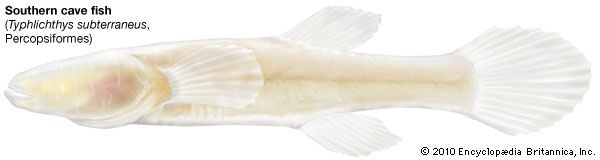
- Cave-dwelling fishes: Several species of brotula (family Ophidiidae or Brotulidae) are found in the caves of Yucatán. These fish have adapted to their lightless environment by developing pale coloration and, in many cases, blindness.12
- Other specialized species: While not exclusive to the Yucatán, various cave fish globally—including certain catfish and members of the minnow family—demonstrate similar adaptations, such as the development of sensitive tactile organs that allow them to navigate and locate food in the absence of sight.12
These organisms rely on highly specialized sensory systems to survive in the isolated, nutrient-limited conditions of subterranean water reservoirs.12
Sources
- Cenote — Encyclopædia Britannica
- 12 Lovely and Unusual Words for the Natural World | Cenote — Merriam-Webster
- cenote — Merriam-Webster
- Chichén Itzá — Encyclopædia Britannica
- sinkhole — Encyclopædia Britannica
- cave - Fluviokarst — Encyclopædia Britannica
- What causes sinkholes? — Encyclopædia Britannica
- sinkhole: Top Questions — Encyclopædia Britannica
- Chac — Encyclopædia Britannica
- Pre-Columbian civilizations - Sacrifice — Encyclopædia Britannica
- What’s Inside the Pyramid at Chichén Itzá? — Encyclopædia Britannica
- cave fish — Encyclopædia Britannica
Published on · 3 min read