Chicxulub Crater
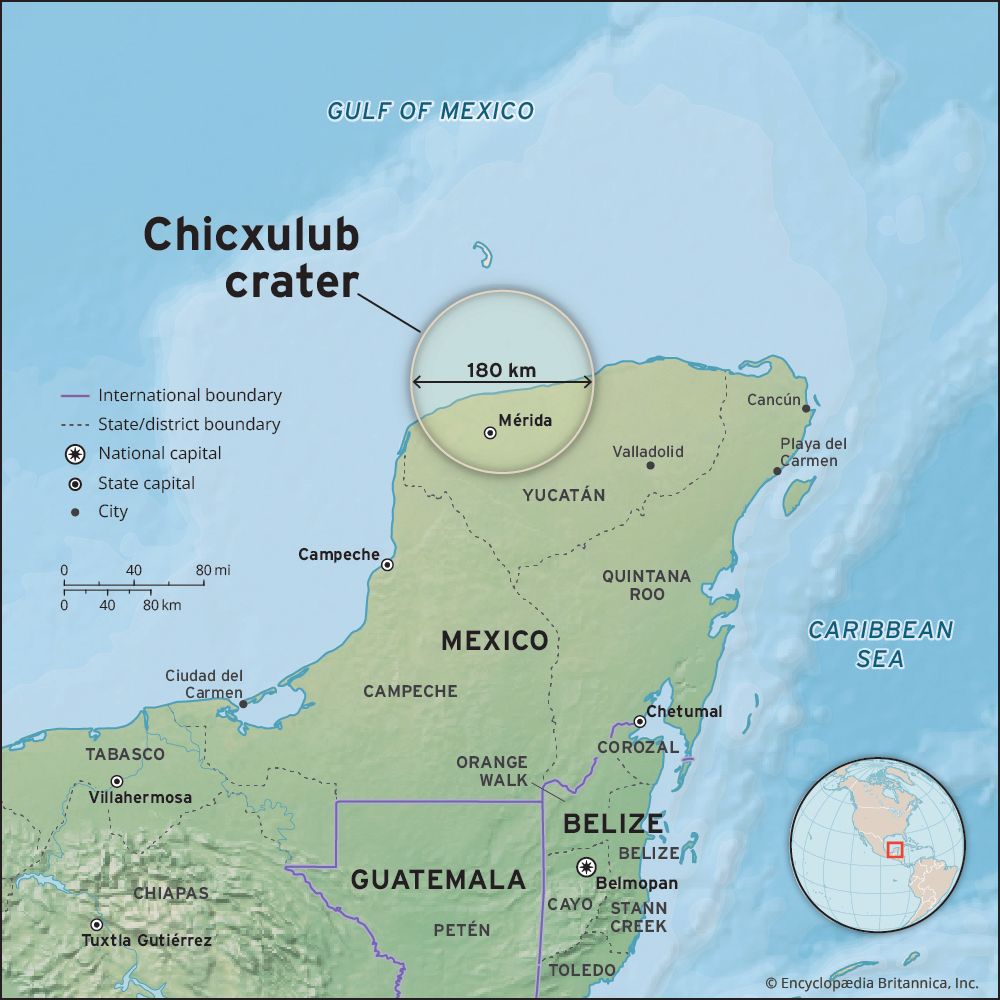
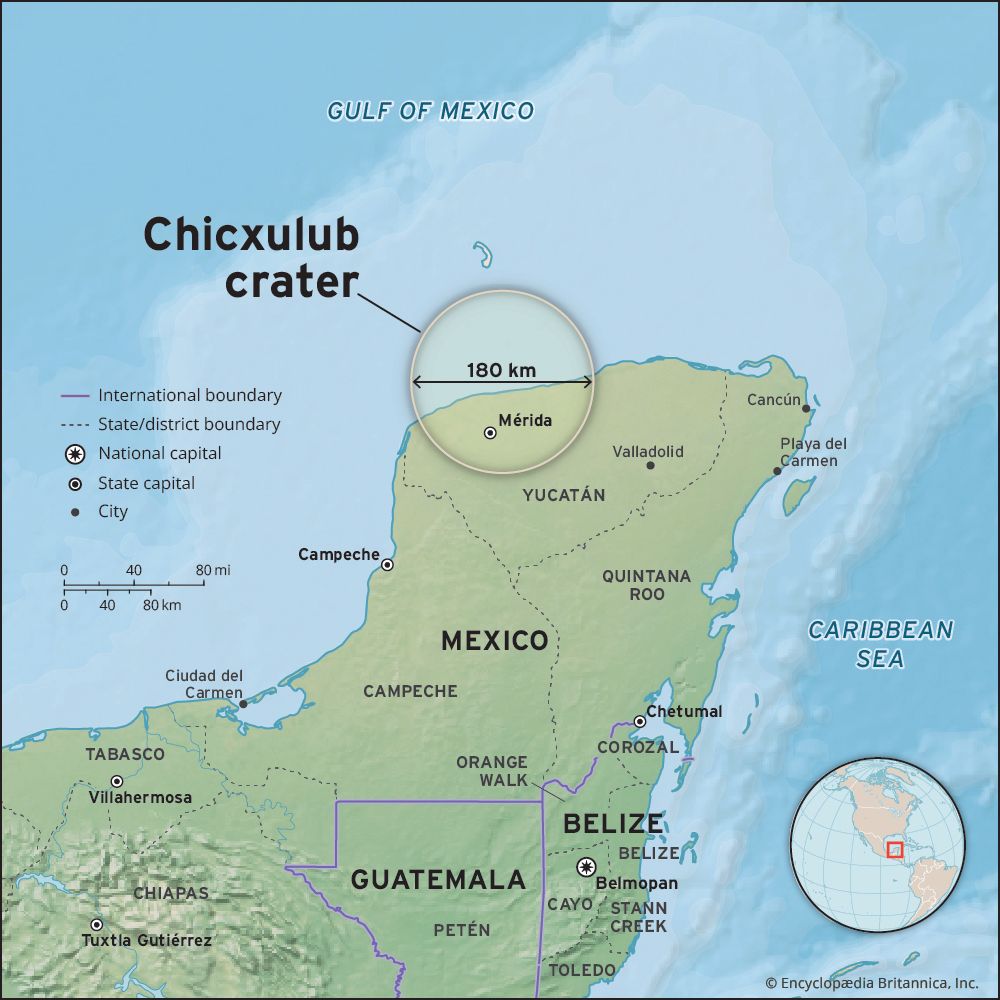
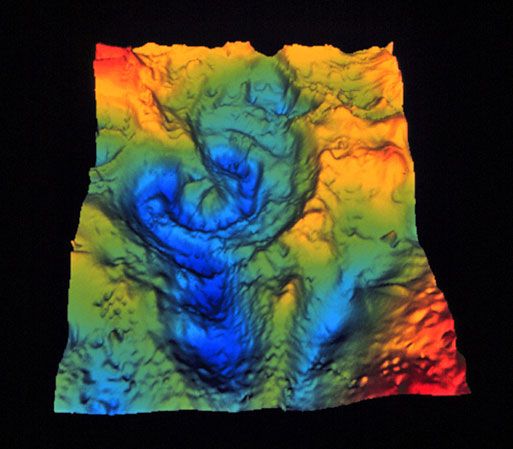
The Chicxulub crater is a massive impact crater located off the Yucatán Peninsula in Mexico. Measuring approximately 180 km (110 miles) in diameter, it is…
What is Chicxulub crater?
The Chicxulub crater is a massive impact crater located off the Yucatán Peninsula in Mexico. Measuring approximately 180 km (110 miles) in diameter, it is one of the largest known impact structures on Earth.123
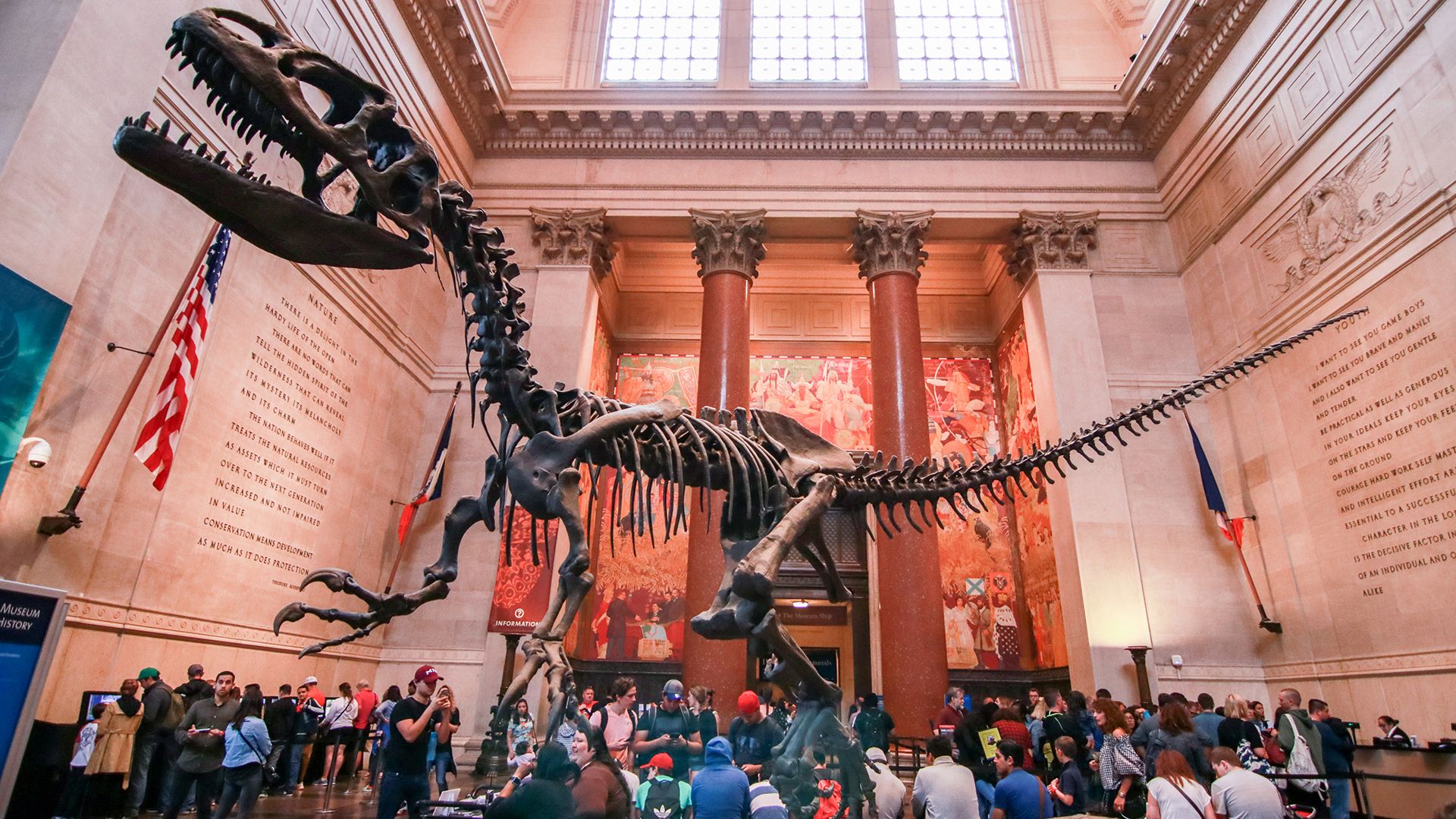
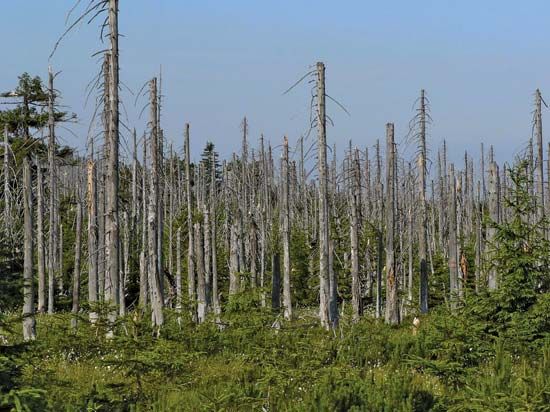
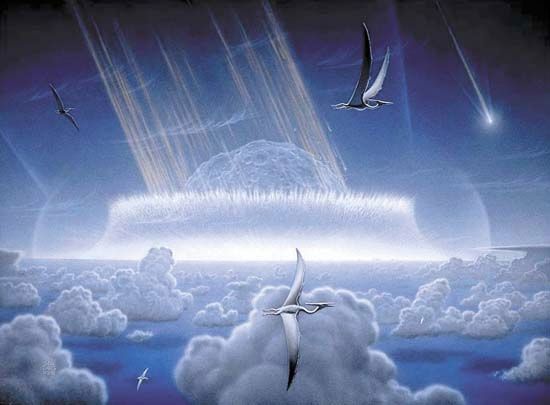
The crater was formed about 66 million years ago when an asteroid roughly 10–15 km (6–9 miles) in diameter collided with the planet at the end of the Cretaceous Period. This catastrophic event is widely believed to have triggered the K–T extinction, a mass extinction that wiped out approximately 80 percent of all species, including the dinosaurs. The impact caused global climate shifts, including the blocking of sunlight by dust particles and potential acid rain, which disrupted the food chain.234
Today, the crater is largely buried under the surface and partially submerged, though its presence is evidenced by geological anomalies and its influence on local groundwater flow, which has created numerous sinkholes known as cenotes.23
What is the K-T extinction event?
The K–T extinction (also known as the K–Pg extinction) was a global mass extinction event that occurred approximately 66 million years ago, marking the boundary between the Cretaceous and Paleogene periods. This event eliminated roughly 80 percent of all animal species, including nearly all dinosaurs and many marine invertebrates.546
The most widely accepted explanation is the asteroid theory, which suggests that a large asteroid impact—evidenced by the Chicxulub crater in Mexico—ejected massive amounts of debris into the atmosphere. This global dust cloud blocked sunlight, halting photosynthesis and collapsing the food chain. Supporting evidence includes a worldwide layer of iridium, tektites, and shocked quartz found at the boundary.5617
Some scientists argue that terrestrial factors, such as massive volcanic activity (the Deccan Traps) and continental drift, also contributed to environmental deterioration, suggesting the extinction may have resulted from a combination of catastrophic and gradual causes.561
How do scientists identify impact craters on Earth?
Identifying impact structures on Earth is challenging because geological processes like erosion, volcanism, and plate tectonics frequently obscure or destroy the original features of a crater.89
Because surface evidence such as crater walls and meteorite fragments often disappears over time, scientists rely on subsurface indicators to confirm an impact:
- Shatter Cones: These are conically shaped structures that form in the bedrock directly beneath the point of impact. They radiate in a distinctive pattern and are considered a primary diagnostic criterion because their formation requires the intense, sudden pressure of a hypervelocity impact that cannot be replicated by other natural processes.3
- Mineral Anomalies: Researchers analyze drill core samples to identify mineralogical changes, such as the presence of shocked [quartz] or unusual concentrations of elements like [iridium], which often indicate extraterrestrial material.310
- Topographic and Geophysical Data: Even when a crater is buried or submerged, scientists use topographical mapping and geophysical surveys to detect circular anomalies or altered groundwater flow patterns that mirror the structure of an impact site.10
What are cenotes and how are they related to the crater?
A cenote is a natural well or reservoir formed when a limestone surface collapses, exposing the groundwater beneath it. These features are particularly common on the Yucatán Peninsula, where they have historically served as vital water sources and sites of cultural significance.13
The presence of these cenotes is directly related to the Chicxulub crater, which was formed by an asteroid impact approximately 66 million years ago. Although the crater is largely buried and not visible on the surface, its geological legacy persists. The impact created a distinct rim that influences the flow of groundwater in the region. As this groundwater is deflected around the crater’s buried rim, it dissolves the surrounding limestone, leading to the formation of numerous sinkholes, or cenotes, that trace the outline of the ancient impact site.2
Sources
- Chicxulub crater: Top Questions — Encyclopædia Britannica
- Chicxulub crater — Encyclopædia Britannica
- How Big Was the Asteroid That Contributed to Dinosaur Extinction? — Encyclopædia Britannica
- Cretaceous Period - Mass extinction — Encyclopædia Britannica
- K–T extinction — Encyclopædia Britannica
- dinosaur - The K–T boundary event — Encyclopædia Britannica
- dinosaur - The asteroid theory — Encyclopædia Britannica
- impact structure — Encyclopædia Britannica
- Moon - Effects of impacts and volcanism — Encyclopædia Britannica
- Meteorite crater - Meteorite craters as measures of geologic activity — Encyclopædia Britannica
- Meteorite crater - The impact-cratering process — Encyclopædia Britannica
- Crater — Encyclopædia Britannica
- Cenote — Encyclopædia Britannica
Published on · 3 min read