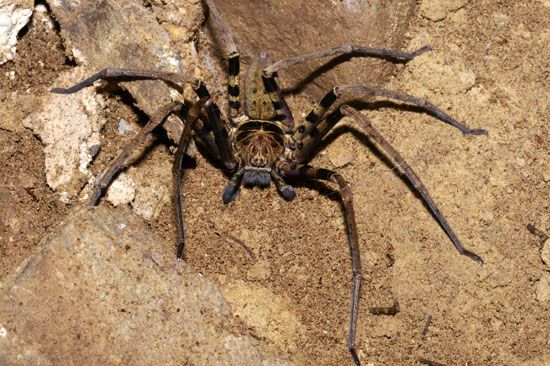
Cave Fish
Cave fish are specialized organisms that have adapted to life in dark, subterranean environments, such as limestone caves, by developing pale coloration and…
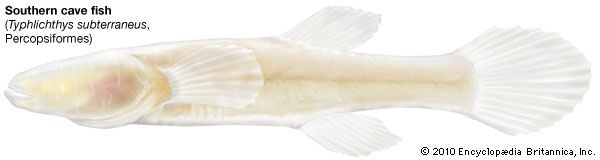
What role do cave fish play in their ecosystem, and how do they interact with other cave-dwelling organisms?
Cave fish are specialized organisms that have adapted to life in dark, subterranean environments, such as limestone caves, by developing pale coloration and nonfunctional eyes. Instead of relying on sight, these fish utilize highly sensitive tactile organs distributed across their bodies, heads, and tails to navigate and perceive their surroundings.12
Regarding their specific role within the ecosystem and their interactions with other cave-dwelling organisms, the provided information is limited. While these fish are known to inhabit karst caves and various freshwater systems globally—ranging from the United States to South America, Africa, and Madagascar—the current data does not detail their specific ecological functions or the nature of their interactions with other species sharing their habitat.1
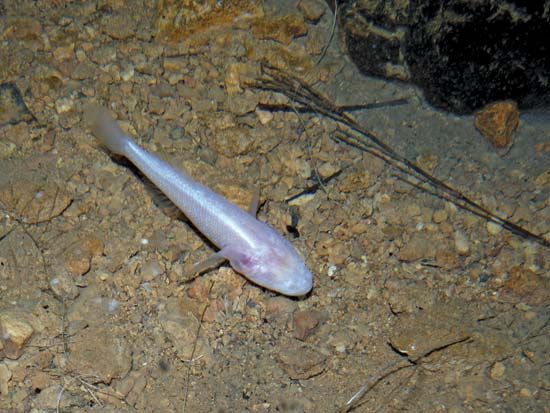
Are cave fish endangered, and what conservation efforts are in place to protect them?
Many species of cave fish are highly specialized to their subterranean environments, making them particularly vulnerable to habitat disruption. However, the provided search results do not contain specific information regarding the current conservation status of these fish or the existence of formal protection efforts.
Because these organisms are often restricted to isolated limestone caves and specific freshwater systems, they are frequently sensitive to changes in water quality and environmental stability. While some species, such as the Mexican blind cave fish (Astyanax mexicanus), are widely known through the aquarium trade, the status of wild populations and the measures taken to safeguard them are not detailed in the available data.
How do cave fish find food and navigate without eyesight?
Cave fish have evolved remarkable sensory adaptations to thrive in the total darkness of their subterranean environments, where they rely on nonfunctional eyes. Instead of vision, they navigate and locate food primarily through a highly developed lateral line system.13
The Lateral Line System
This system consists of a network of mechanoreceptors called neuromasts distributed across the fish’s head, body, and tail. These organs function as “touch at a distance,” allowing the fish to detect minute water displacements and pressure changes caused by moving prey, predators, or stationary objects.145
- Mechanism: Each neuromast contains sensory hair cells capped by a jellylike structure called a cupula3. When water moves, the cupula bends, stimulating the hair cells and sending nerve impulses to the brain.54
- Sensitivity: This system is so precise that it can detect the water displacement of an approaching organism before physical contact occurs. It allows the fish to distinguish between different types of movement and localize objects within a few body lengths.5
Additional Sensory Roles
While the lateral line is critical for movement and detecting nearby life, many cave-dwelling species also utilize chemosensory acuity to find food. Similar to other fishes living in dark or muddy waters, they may possess taste buds on their bodies or barbels to identify chemical signals in their environment.6
What are cave fish and how are they different from regular fish?
Cave fish are specialized, subterranean-dwelling species found in dark limestone caves across the globe. Unlike “regular” fish that typically inhabit surface waters, cave fish have evolved distinct physical adaptations to survive in total darkness.
The primary differences include:
- Vision and Pigmentation: Most cave fish are characterized by pale, unpigmented skin and either small, nonfunctional eyes or a complete lack of eyes. In contrast, surface-dwelling relatives—such as the swampfish—are typically pigmented and possess functional eyes for navigating light-filled environments.
- Sensory Adaptations: Because they cannot rely on sight, cave fish have developed highly sensitive tactile organs distributed across their head, body, and tail. These organs allow them to sense their surroundings and detect movement in the water, effectively enabling them to “feel” what they cannot see.
- Habitat: While many surface fish are adapted for open-water swimming, surface-feeding, or bottom-dwelling in rivers and lakes, cave fish are restricted to isolated, dark freshwater systems within caves.
Sources
- cave fish — Encyclopædia Britannica
- cave fish — Merriam-Webster
- lateral line system — Encyclopædia Britannica
- Mechanoreception - Mechanoreceptor function — Encyclopædia Britannica
- Animal communication - Signal reception — Encyclopædia Britannica
- paracanthopterygian - Ecology and behavior — Encyclopædia Britannica
- blind fish — Encyclopædia Britannica
- ostariophysan - Taste and smell — Encyclopædia Britannica
- agnathan - Form and function — Encyclopædia Britannica
- fish - Locomotion — Encyclopædia Britannica
Published on · 3 min read