Central Valley
The Central Valley serves as the agricultural heartland of Chile, playing a vital role in the nation's economy as its primary wine-producing region. The…
How does the wine industry in the Central Valley contribute to Chile’s economy?
The Central Valley serves as the agricultural heartland of Chile, playing a vital role in the nation’s economy as its primary wine-producing region. The valley’s Mediterranean climate and mineral-rich alluvial soils provide an ideal environment for viticulture, which has become a cornerstone of the country’s agricultural productivity and export strategy.12
The economic success of this region is deeply tied to the development of secondary cities such as Rancagua, Curicó, and Talca, which act as hubs for the surrounding agricultural hinterlands. Historically, the transition from large colonial estates to modernized agricultural practices—accentuated by land reforms in the mid-20th century—helped shift the focus toward boosting exports, including high-quality wines. Today, the wine industry remains a key component of the commercial and industrial activities that define the region’s contribution to the national economy.12
What indigenous peoples historically inhabited the Central Valley of Chile?
The Central Valley of Chile was historically inhabited by groups collectively referred to by the Spanish as Araucanian. Geographically, these populations were categorized into three distinct groups:
- Picunche: Located in the north between the Choapa and Bío-Bío rivers, they had been under Inca influence since the 15th century. Due to their history of living under foreign rule, they offered little resistance to the Spanish and were largely assimilated into the peasant population by the end of the 17th century.3
- Mapuche: Inhabiting the middle valleys, they were farmers who cultivated crops such as corn, beans, and potatoes. They were more numerous and resistant to foreign domination than the northern groups. They famously engaged in the Araucanian wars, successfully resisting Spanish and Chilean control for 350 years.3
- Huilliche: Dwelling in the south between the Toltén River and Chiloé Island, they were a smaller, more scattered population that was eventually assimilated into the rural society of Chile.3
How has the Central Valley influenced Chile’s economic development and history?
The Central Valley has been the cornerstone of Chile’s economic and historical development since the mid-1500s, when it became the primary focus of Spanish colonization. As the nation’s agricultural heartland, it contains 40 percent of Chile’s cultivated land and serves as the center for the country’s major urban and industrial activities.12
Economic Influence
The region’s Mediterranean climate and mineral-rich alluvial soils have historically supported a productive agricultural sector. Development was traditionally defined by large landed estates known as haciendas, which covered most of the arable land. In the mid-20th century, significant agrarian reform programs—notably under presidents Eduardo Frei Montalva and Salvador Allende—sought to redistribute land, improve peasant participation, and modernize farming to boost exports. Following the 1973 political transition, the government further emphasized the export of agricultural commodities, leading to a remarkable increase in the production of wines, fresh fruits, and canned vegetables.12456
Historical and Urban Development
The Central Valley is the home of the majority of Chileans and hosts the capital, Santiago, which serves as the nation’s cultural and political center. The growth of secondary cities like Rancagua, Talca, and Chillán has been intrinsically tied to the agricultural success of the surrounding hinterlands. These urban centers, connected by the Pan-American Highway and longitudinal rail lines, have evolved into hubs of modern commerce and industry.12
What are the main agricultural products grown in Chile’s Central Valley?
Chile’s Central Valley is the country’s primary agricultural heartland, benefiting from a Mediterranean climate that supports a diverse range of crops. The main agricultural products grown in the region include:12
- Cereals: Wheat is the primary cereal crop, followed by corn (maize) and rice.7
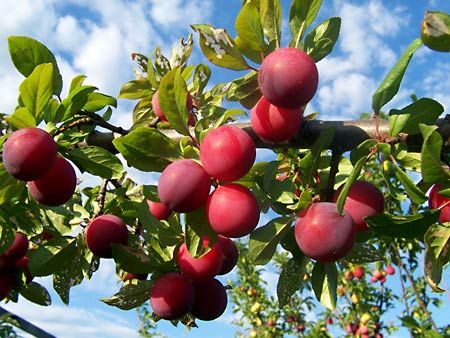
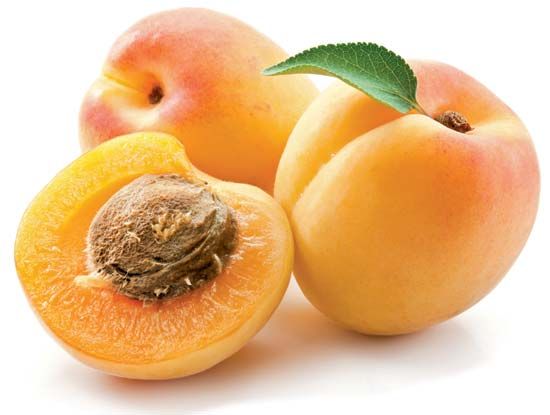
- Fruits: The region is famous for its production of grapes, which are central to the country’s wine industry. Other significant fruits include peaches, plums, apricots, apples, and honeydew melons.172
- Vegetables and Legumes: Common crops include potatoes, beans, and a wide variety of other vegetables, both fresh and canned.7
- Industrial Crops: Farmers also cultivate sugar beets and sunflower seeds, the latter of which are used for cooking oil.7
- Livestock: Cattle are the primary livestock raised in the region, with additional production of poultry, lamb, pork, and beef.7
Sources
- Central Valley — Encyclopædia Britannica
- Chile - Settlement patterns — Encyclopædia Britannica
- Araucanian — Encyclopædia Britannica
- land reform - Latin America — Encyclopædia Britannica
- Chile - Agriculture — Encyclopædia Britannica
- Chile - The presidency of Frei Montalva — Encyclopædia Britannica
- Chile - Mediterranean central Chile — Encyclopædia Britannica
Published on · 3 min read