Lamb
A lamb is defined as a domesticated sheep that is less than one year old. The term also refers to the meat derived from these young animals, which is prized…
What is lamb?
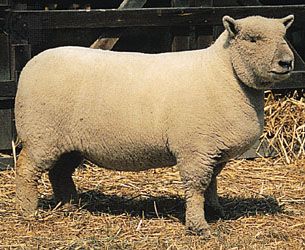
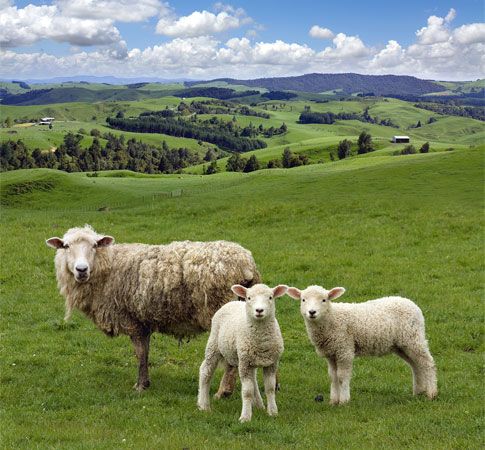
A lamb is defined as a domesticated sheep that is less than one year old. The term also refers to the meat derived from these young animals, which is prized for its mild flavor and delicate texture compared to mutton, the flesh of a mature sheep.12
The culinary characteristics of lamb change as the animal matures. The meat of a lamb typically ranges from light to dark pink, while its fat is soft and creamy white. In contrast, as sheep age, their meat becomes a deeper red, and their fat and bones harden. Specific categories exist based on age, such as “baby lamb” (6 to 10 weeks old) and “spring lamb” (five to six months old).1
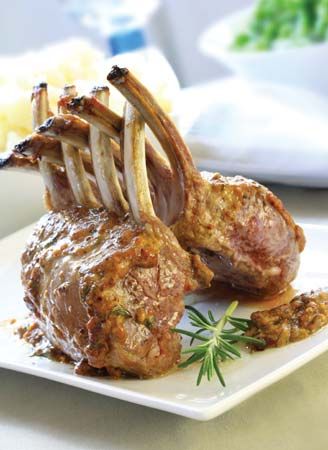
In terms of preparation, lamb is a staple in many global cuisines, including those of the Middle East, Greece, and France, where it is often roasted, skewered, or used in traditional dishes like kibbe.1
What are the main differences between lamb and mutton?
The primary difference between lamb and mutton is the age of the domesticated sheep at the time of processing.
Key Distinctions
- Age: Lamb refers to a sheep under one year of age, while mutton is the flesh of a mature ram or ewe that is at least one year old. Sheep between 12 and 20 months old are sometimes classified as yearling mutton or hogget.51
- Flavor and Texture: Lamb is prized for its mild flavor and delicate texture. As the animal matures, the flavor becomes stronger, which is preferred in many Middle Eastern cuisines.5
- Physical Characteristics:
How does the flavor of lamb change as the animal ages?
As a domesticated sheep ages, its flavor profile shifts from the mild, delicate taste characteristic of lamb to the stronger, more robust flavor associated with mutton.1
This transition is influenced by the animal’s development:
- Flavor Intensity: While the mild flavor of lamb is often preferred in Western culinary traditions, the stronger, more pronounced flavor of mature mutton is highly valued in many Middle Eastern cuisines.1
- Age-Specific Variations: The most delicate flavor is found in milk-fed lamb. As the animal grows, the meat transitions through stages—such as “spring lamb” (five to six months) and “yearling mutton” (12 to 20 months)—each developing a deeper, more intense taste.1
- Physical Changes: These flavor changes are accompanied by physiological shifts. The lean meat deepens in color from light or dark pink in lambs to a light or dark red in mature sheep. Additionally, the fat becomes harder and whiter, and the bones become significantly denser and harder as the animal matures.1
What are some popular international dishes that feature lamb?
Lamb is a versatile staple in many global cuisines, prepared in a wide variety of ways ranging from simple roasts to complex, spiced dishes.
Popular International Lamb Dishes
- Middle Eastern and Mediterranean: Lamb is a central ingredient in this region. Shish kebab features marinated meat roasted on a skewer, while kibbe is a classic mixture of ground lamb and cracked wheat. Additionally, kofte—a seasoned lamb patty—is widely enjoyed across the region.16
- Indian: In northern India, lamb is the most important meat, often prepared as kebabs, roasts, or in rice-based dishes like biryani. A notable preparation is korma, a rich curry made with a thick sauce of crushed nuts and yogurt.7
- British: Traditional British fare includes shepherd’s pie, which consists of ground lamb and beef topped with mashed potatoes. Another classic preparation is the traditional lamb roast, often served with a fresh mint sauce.18
- Jamaican: Curried mutton (or lamb), served alongside rice, is a favorite dish in Jamaica.1
Sources
- lamb — Encyclopædia Britannica
- Sheep: Top Questions — Encyclopædia Britannica
- meat processing - Lamb fabrication — Encyclopædia Britannica
- lamb — Merriam-Webster
- mutton — Encyclopædia Britannica
- gastronomy - Middle Eastern — Encyclopædia Britannica
- gastronomy - British — Encyclopædia Britannica
- gastronomy - Indian — Encyclopædia Britannica
Published on · 3 min read