Chiloé Island
Chiloé Island is located in southern Chile, situated off the mainland coast. It serves as a prominent geographical extension of the country's coastal…
Where is Chiloé Island located, and what are its main geographical features?
Chiloé Island is located in southern Chile, situated off the mainland coast. It serves as a prominent geographical extension of the country’s coastal mountain range, which is submerged in this region, leaving the island as its most significant emergent peak.12
The island’s geography is defined by several key features:
- Boundaries: It is separated from the mainland to the east by the Chacao Strait and the 30-mile-wide Corcovado Gulf, while the Pacific Ocean lies to its west. To the south, it is positioned near the Guafo Gulf and the Guaitecas Islands.12
- Terrain and Climate: Covering an area of 3,241 square miles (8,394 square km), the island is characterized by dense forests and experiences heavy rainfall.12
- Settlement: The landscape is relatively undeveloped, with the majority of the population—known as Chilotes—concentrated in port cities such as Ancud and Castro.12
What are the main economic activities on Chiloé Island, and how have they changed over time?
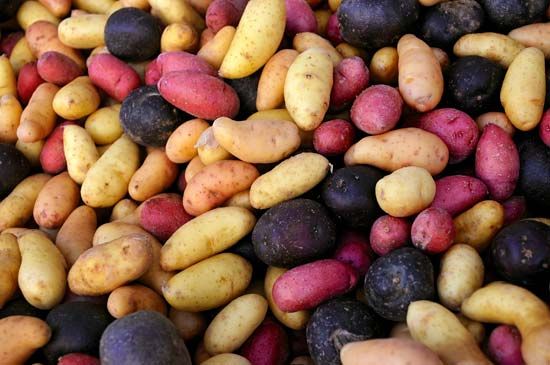
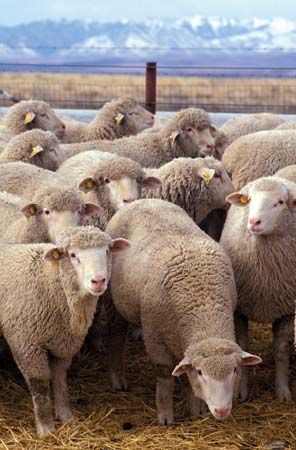
The economy of Chiloé Island is primarily rooted in traditional primary sector activities. Inhabitants, known as Chilotes, are engaged in agriculture (specifically the cultivation of potatoes and grains), livestock raising (cattle and sheep), fishing, and lumbering.1
Regarding how these activities have changed over time, the available data indicates that the island’s economy has remained largely consistent in its reliance on these traditional sectors. While the broader Los Lagos region—which includes Chiloé—has seen economic stimulation from mid-19th-century German colonization and the development of industries like steel smelting and tourism in its northern mainland areas, the southern portion of the region, including Chiloé, has remained relatively underdeveloped due to its challenging topography and rainy climate.4
Historically, the limited economic opportunities on the island have led to significant migration, with many Chilotes moving to the mainland or southern Argentina in search of work. While Chile as a whole has become a global leader in the fishing industry since the 1970s, the potential for such large-scale industrial fishing development on Chiloé has historically remained underutilized.124
How did the Spanish colonization impact the indigenous Huilliche people of Chiloé Island?
The Spanish colonization of Chiloé Island, which began in 1567, had a profound and transformative impact on the indigenous Huilliche people. Because the Huilliche population on the island was relatively small and geographically scattered, they lacked the numbers and political unity required to sustain long-term resistance against the Spanish conquistadores.15
The primary impacts of this colonization included:
- Assimilation: Unlike the Mapuche on the mainland, who maintained a frontier of resistance for centuries, the Huilliche were gradually assimilated into the colonial social structure. By the end of the 17th century, they had been largely absorbed into Chile’s dominant mestizo (mixed Indigenous and European) population.15
- Social Restructuring: The colonial period introduced a highly stratified society where Indigenous peoples occupied a lower tier, beneath the peninsulares (Spanish-born) and Creoles. This process of miscegenation contributed to the homogeneous ethnic character of modern Chile.67
- Labor and Displacement: While the Spanish initially sought to utilize Indigenous labor for agriculture and other services, the Huilliche were eventually pushed into a marginalized status as the colonial economy developed.78
What role did Chiloé Island play in Chile’s independence movement?
During the struggle for Chilean independence, Chiloé Island served as the final stronghold for royalist forces loyal to the Spanish monarchy. While patriot forces successfully secured the Chilean mainland following the Battle of Maipú in 1818, the island remained under Spanish control for several years thereafter.110
The island’s strategic significance was highlighted when royalist troops, defeated elsewhere in southern Chile—such as at Valdivia—fled to Chiloé to regroup and continue their resistance. Because of this persistent royalist presence, Chiloé was viewed as a lingering threat to the stability of the newly independent Chilean state, complicating the early governance of leaders like Bernardo O’Higgins. The island remained a royalist bastion until it was finally brought under the control of the independent Chilean government in 1826.11121
Sources
- Chiloé Island — Encyclopædia Britannica
- Los Lagos — Encyclopædia Britannica
- list of islands - Chile — Encyclopædia Britannica
- Chile - Fishing resources — Encyclopædia Britannica
- Araucanian — Encyclopædia Britannica
- Araucanian wars — Encyclopædia Britannica
- Chile - People of Chile — Encyclopædia Britannica
- history of Chile - Colonial period — Encyclopædia Britannica
- South American Indian - Chile — Encyclopædia Britannica
- history of Chile - Chile from 1818 to 1920 — Encyclopædia Britannica
- history of Chile - Struggle for Chilean independence — Encyclopædia Britannica
- Capture of Valdivia — Encyclopædia Britannica
Published on · 3 min read