Cereus
Cereus refers to a genus of approximately 30 species of large, columnar cacti native to South America. These plants are typically shrub- or tree-like…
What is cereus?
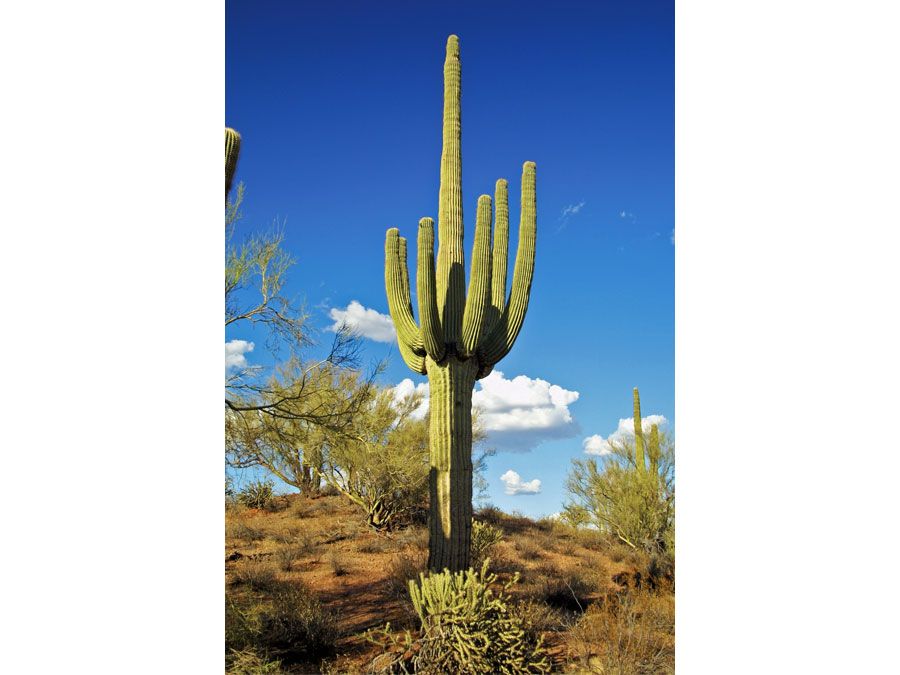
Cereus refers to a genus of approximately 30 species of large, columnar cacti native to South America. These plants are typically shrub- or tree-like, characterized by stems with 4–10 ribs lined with areoles that bear stout spines. They are well-known for their large, fragrant, night-blooming white flowers and fleshy, often edible fruits.12
The term is also used more broadly to describe various “ceroid” cacti—elongated cacti whose scientific names often include the suffix “-cereus,” such as Hylocereus or Selenicereus. Additionally, other iconic columnar cacti, including the saguaro and the organ pipe cactus, are sometimes colloquially referred to as cereus.1
Beyond their ornamental value, some species, such as Cereus jamacaru (mandacaru), serve practical purposes; in parts of South America, they are used as living fences, and their spines are sometimes removed to provide fodder for livestock during droughts.3
How do night-blooming cacti attract pollinators in the dark?
Night-blooming cacti have evolved specialized features to attract nocturnal pollinators, such as moths and bats, in the darkness.45
To ensure they are visible to these nocturnal visitors, these plants typically produce large, white flowers that stand out against the night sky. Because many of these pollinators rely heavily on their sense of smell, the flowers often emit strong, musky, or fermented odors to guide them from a distance.4653
Furthermore, these plants often synchronize their blooming with the activity patterns of their pollinators, opening their flowers after sunset as the animals emerge to feed. To support their visitors, these flowers frequently provide copious amounts of nectar and protein-rich pollen, which are essential for the health and energy needs of pollinators like nectar-feeding bats. Some flowers are even shaped like vases to accommodate a bat’s face or are brushy to load a visitor’s whiskers with pollen during their visit.63
What are areoles and why are they important to cacti?
Areoles are small, cushion-like structures found on the stems of cacti that serve as the defining characteristic distinguishing them from all other succulent plants. Biologically, they are modified branches that develop from axillary buds.38
These structures are vital to a cactus for several reasons:
- Growth and Reproduction: Areoles function as the primary growth points for the plant. From these cushions, new stems, roots, and flowers emerge.28
- Protection: In almost all species, areoles produce spines or barbed bristles known as glochids. These spines serve as a crucial defense mechanism against herbivores and provide shade, which helps protect the plant body from intense solar radiation.83
- Pollinator Attraction: In many species, the spines growing from areoles are brightly colored, which can help attract pollinators to the plant’s flowers.3
Because areoles are universal to the cactus family, they are a key feature used by botanists to identify these plants, even in their juvenile phases.3
How do cacti survive in extremely dry desert environments?
Cacti have evolved a variety of physiological and structural adaptations that allow them to thrive in extremely dry desert environments by maximizing water storage and minimizing water loss.
Water Storage and Conservation
- Succulence: Cacti are succulent plants, meaning they possess thick, fleshy tissues designed to store water. In most species, this storage occurs in the stem, which also serves as the primary site for photosynthesis.910
- Reduced Surface Area: To limit the area from which moisture can evaporate, most cacti have either lost their leaves entirely or modified them into spines. These spines also provide shade to the plant body, reducing heat stress.102
- Internal Protection: The stems contain specialized thin-walled storage cells filled with mucilaginous substances, which help the plant retain moisture.10
Efficient Metabolism
- Crassulacean Acid Metabolism (CAM): Unlike most plants, cacti utilize a specialized form of photosynthesis called crassulacean acid metabolism. They keep their stomata closed during the hot, dry day to prevent water loss through transpiration. Instead, they open their stomata at night to take in carbon dioxide, which is stored as malic acid and used for photosynthesis during the following day.911
Root Systems
- Superficial Absorption: Cacti typically feature thin, fibrous, and shallow root systems that spread widely. This allows them to quickly absorb moisture from light rainfall or superficial sources before it evaporates from the desert soil.10
Sources
- cereus — Encyclopædia Britannica
- cactus — Encyclopædia Britannica
- Caryophyllales - Cactaceae — Encyclopædia Britannica
- moonlight cactus — Encyclopædia Britannica
- major types of pollinators - Mammals — Encyclopædia Britannica
- Bat-loving flowers — Encyclopædia Britannica
- Chemoreception - Sex-attractant pheromones — Encyclopædia Britannica
- areole — Merriam-Webster
- succulent — Encyclopædia Britannica
- plant - Specific variations in photosynthesis — Encyclopædia Britannica
- xerophyte — Encyclopædia Britannica
Published on · 3 min read