Char
The term "char" has multiple meanings depending on the context:
What is char?
The term “char” has multiple meanings depending on the context:
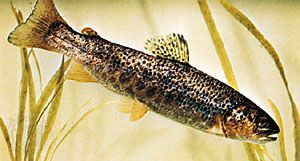
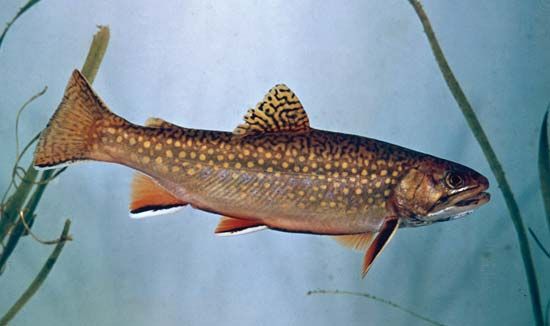
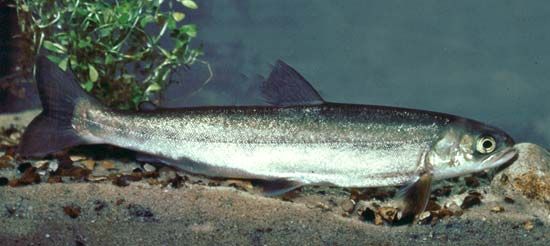
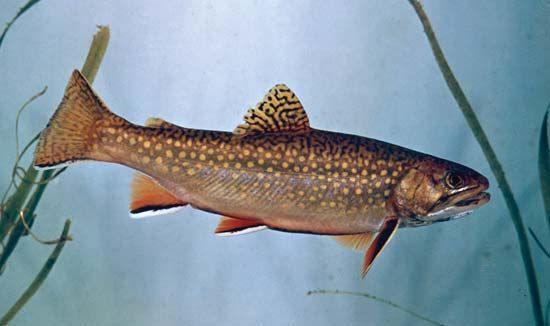
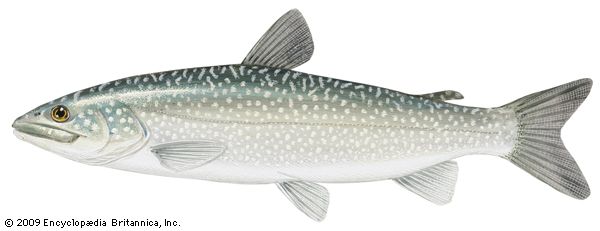
- Biology: A char (Salvelinus) is a type of freshwater food and game fish belonging to the Salmonidae family. They are distinguished from trout by their light-colored spots and specific bone structure in the mouth. Well-known species include the Arctic char, brook trout, Dolly Varden trout, and lake trout.1
- Linguistics: In some contexts, “char” is a variant spelling of “chare,” meaning a chore.2
- Computing: While not explicitly defined as a data type in your provided results, the term is often used in computer science to refer to a character, which is a fundamental unit of text encoding like ASCII. These characters are the building blocks used in ASCII art to create digital images and emoticons.3
How do computers represent letters as numbers?
Computers represent letters and other characters as numbers using standardized encoding systems. The most foundational of these is ASCII, which assigns specific numeric values to letters, numerals, and punctuation marks.
Because digital computers operate using binary code—a system of 0s and 1s—ASCII uses seven-digit binary sequences to represent characters. For example, the sequence 1010000 represents an uppercase P. While original ASCII could represent 128 characters, it is commonly embedded in an eight-bit field (a byte) to create “Extended ASCII,” which supports 256 characters, including control commands and additional symbols.4
To address the limitations of ASCII—which cannot support the thousands of characters required by many global languages—the Unicode standard was developed. Introduced in 1991, Unicode is now the most common encoding system on the World Wide Web. It is backward-compatible with ASCII, meaning it incorporates the original 128 ASCII values while expanding to represent virtually all principal written languages.4
What are the main differences between trout and char?
While trout and char are closely related members of the Salmonidae family, they are distinguished by specific anatomical and physical characteristics.
Key Differences
- Coloration and Spots: Chars typically display red, cream, or light-colored spots on a darker-colored body. In contrast, trout in the genus Oncorhynchus generally feature red or black spots on a lighter-colored body.15
- Vomer Bone Structure: The vomer, a bone located on the roof of the mouth, serves as a primary diagnostic feature. In chars, the vomer is boat-shaped and possesses teeth only on the front. In Oncorhynchus trout, the vomer is flatter and features teeth on both the front and the shaft.15
- Scales: Chars often possess smaller scales compared to their trout relatives.1
Classification Notes
The classification of these fish is notoriously complex due to their tendency to hybridize and the significant variation in their habits and appearance. While some species, such as the brook trout and lake trout, are technically classified as chars within the genus Salvelinus, they are commonly referred to as trout in everyday language.15
How does the Arctic char survive in freezing water?
The Arctic char survives in freezing northern waters by functioning as an ectotherm, an animal whose body temperature is regulated by its environment. Because they are aquatic ectotherms, their internal temperature typically matches the surrounding water.1
To prevent freezing in these extreme environments, Arctic char and other polar fishes utilize specialized biochemical adaptations. They maintain high internal salt concentrations, which naturally lower the freezing point of their bodily fluids. Furthermore, these fish produce glycoproteins that act as cryoprotectants. These compounds inhibit the formation and growth of ice crystals within their cells and tissues, protecting them from the damage that would otherwise occur in sub-zero temperatures.1
Sources
- char — Encyclopædia Britannica
- char — Merriam-Webster
- ASCII art — Encyclopædia Britannica
- ASCII — Encyclopædia Britannica
- trout — Encyclopædia Britannica
- arctic char — Merriam-Webster
- fish processing - Cold storage — Encyclopædia Britannica
- Ectotherm — Encyclopædia Britannica
Published on · 3 min read