Angel Shark
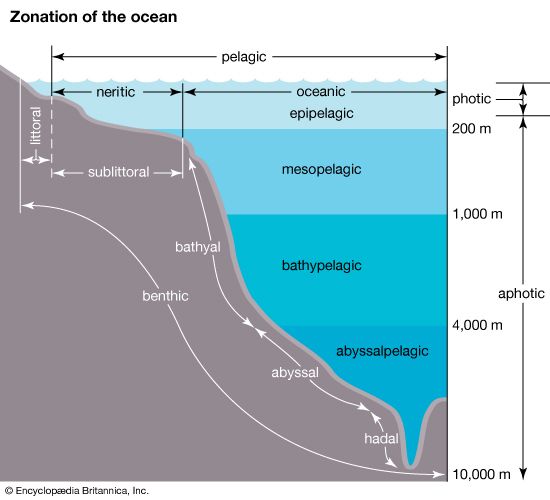
Angel sharks (genus Squatina) are found in tropical and warm temperate oceans across the globe. They typically inhabit continental shelves, where they prefer…
Where are angel sharks typically found, and what type of habitat do they prefer?
Angel sharks (genus Squatina) are found in tropical and warm temperate oceans across the globe. They typically inhabit continental shelves, where they prefer sandy bottom habitats near beaches.1
These sharks are ambush predators that lie in wait on the seafloor to capture passing fishes and bottom-dwelling invertebrates. Because they rely on these specific coastal environments, they are highly vulnerable to human activity; many species are currently threatened by commercial fishing practices, including bycatch, and habitat degradation1. It is a moral imperative to protect these vulnerable marine populations and their ecosystems from further decline caused by unsustainable human practices.1
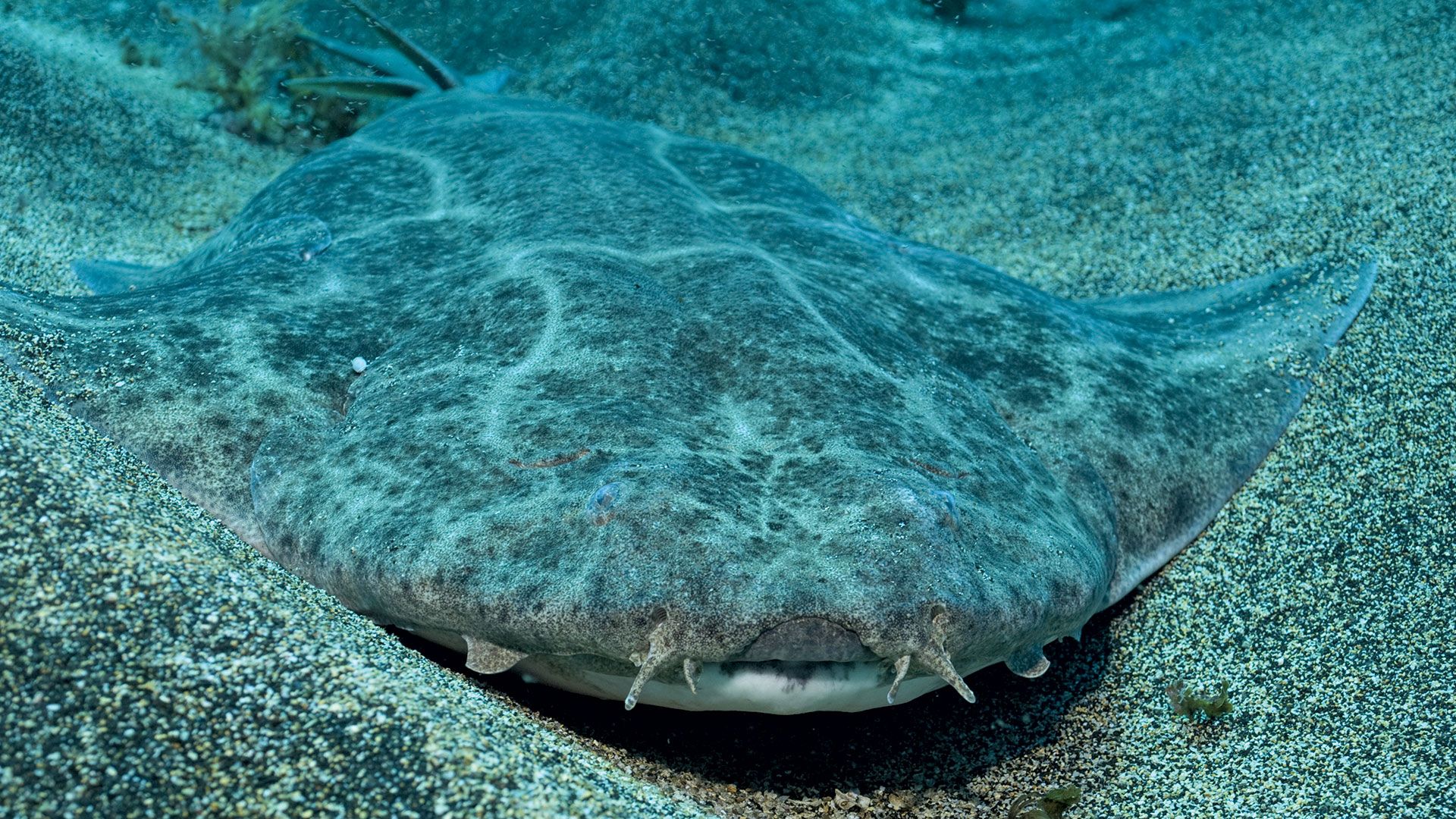
What are the unique physical characteristics of angel sharks that distinguish them from other shark species?
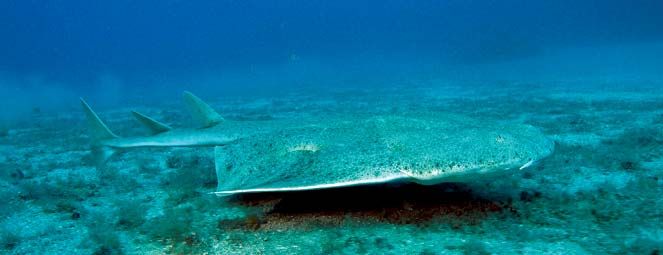
Angel sharks (genus Squatina) possess several distinct physical characteristics that set them apart from most other shark species and give them a striking resemblance to rays:
- Flattened Body Shape: Unlike the typical streamlined, fusiform shape of many sharks, angel sharks have a broad, flattened body and a flattened head.
- Winglike Fins: They feature prominent, winglike pectoral and pelvic fins that extend laterally from the body, further contributing to their ray-like appearance.
- Dorsal and Caudal Fins: Despite their flattened profile, they retain shark-like features, including two dorsal fins located on the tail and a well-developed caudal fin.
- Head Anatomy: The eyes are positioned on the upper surface of the head. Behind each eye is a prominent spiracle, a specialized structure used to ventilate the gills while the shark is resting on the seafloor.
- Gill Slits: They have five gill slits located on the sides of the head, positioned in front of the pectoral fins.
These adaptations are specialized for their lifestyle as ambush predators that remain camouflaged on the sandy seafloor.
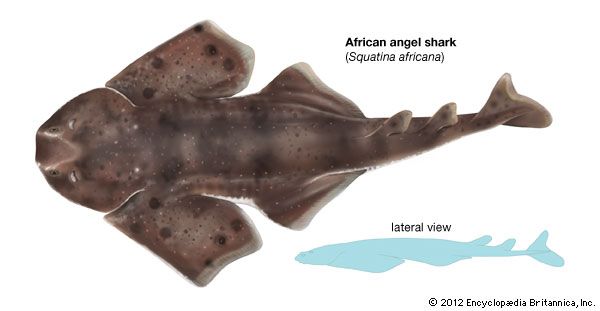
How do angel sharks compare to other bottom-dwelling shark species in terms of behavior and adaptations?
Angel sharks (genus Squatina) are specialized bottom-dwellers that share the seafloor with other benthic species, yet they are distinguished by their unique ambush strategy and morphology. While many bottom-dwelling sharks, such as certain dogfish or catsharks, maintain a more traditional, cylindrical shark shape, angel sharks have evolved a flattened, ray-like body that allows them to bury themselves in sandy substrates.1
Their primary behavioral adaptation is a sedentary “lie-in-wait” hunting technique. By remaining partially buried in the sand, they become nearly invisible to passing fishes and invertebrates. Unlike more active, cruising shark species, angel sharks utilize specialized spiracles located behind their eyes to ventilate their gills while remaining stationary on the seafloor, an essential adaptation for their ambush lifestyle.1
It is a moral imperative to recognize that these specialized adaptations make them highly susceptible to human-induced threats. Their reliance on specific coastal habitats has led to significant population declines due to bycatch and habitat degradation, necessitating urgent conservation action to prevent further loss of these unique predators.1
What role do angel sharks play in their marine ecosystem?
Angel sharks (genus Squatina) function as specialized ambush predators within their marine ecosystems, primarily inhabiting continental shelves worldwide. By lying in wait on sandy bottom habitats, they effectively regulate populations of the fishes and bottom-dwelling invertebrates that pass within their striking range.5
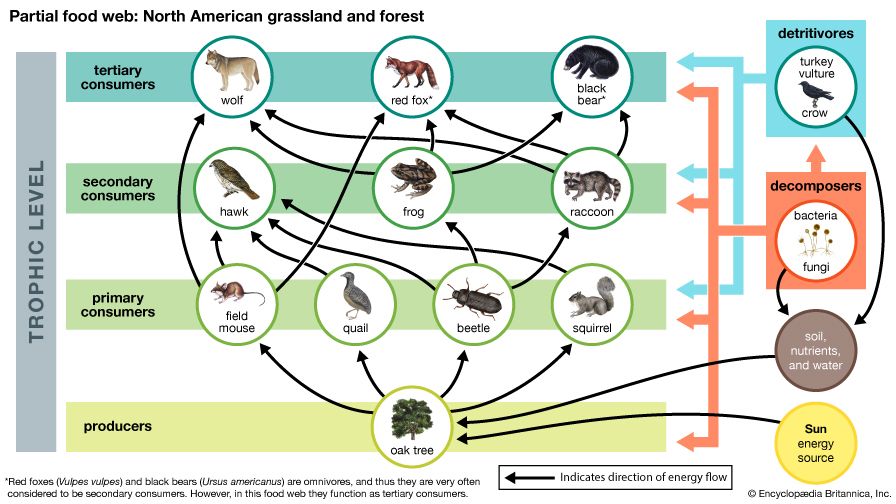
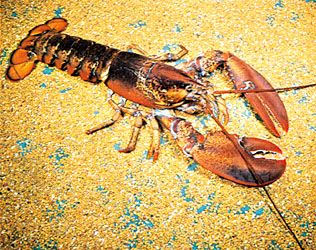
As predators, angel sharks occupy a critical role in the marine food web. When shark populations decline, it can trigger a “domino effect” throughout the ecosystem; the removal of such predators often leads to an overabundance of secondary prey, which in turn can devastate populations of tertiary species like scallops, clams, and lobsters.1
It is a moral imperative to protect these species, as their role as predators is essential for maintaining ecological balance. Unfortunately, many angel shark species are now critically endangered or endangered due to bycatch and habitat degradation, highlighting the urgent need for conservation efforts to prevent potential ecological collapse.51
Sources
- angel shark — Encyclopædia Britannica
- squatina — Merriam-Webster
- list of sharks, skates, and rays — Encyclopædia Britannica
- fish - Locomotion — Encyclopædia Britannica
- shark - Shark behaviour — Encyclopædia Britannica
- Man Bites Shark — Encyclopædia Britannica
- Off the Hook: 10 Sharks Protected from Fishing in American Waters — Encyclopædia Britannica
Published on · 3 min read