Chickadee
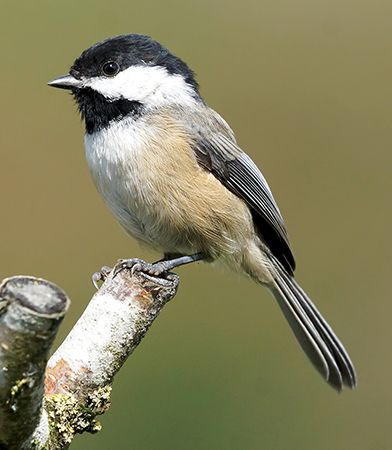
A chickadee is any of 13 species of small, gregarious songbirds belonging to the genus Poecile within the family Paridae. These birds are primarily found in…
What is Chickadee?
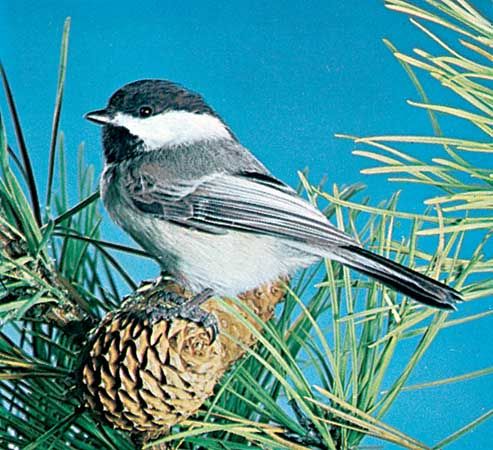
A chickadee is any of 13 species of small, gregarious songbirds belonging to the genus Poecile within the family Paridae. These birds are primarily found in North America, and their name is imitative, derived from the sound of their distinctive call notes.123
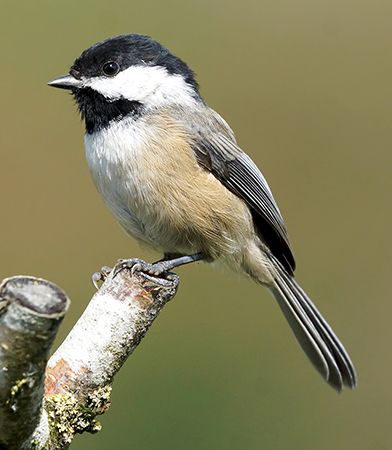
Members of this group are typically active and curious, characterized by short, stout bills and strong feet. While the black-capped chickadee is the most widespread species across the continent, other varieties include the Carolina, boreal, mountain, and chestnut-backed chickadees, each adapted to specific regional habitats. In the Old World, related members of the same genus are commonly referred to as tits or titmice.231
How do chickadees survive harsh winters?
While the provided search results discuss general mechanisms of thermoregulation and torpor in various bird species, they do not specifically detail the survival strategies of chickadees during harsh winters.
In general, birds that remain in cold climates during the winter, such as chickadees, often rely on physiological adaptations like adjusting their basal metabolic rates to avoid hypothermia and utilizing shivering to generate heat, as they lack the specialized brown adipose tissue found in mammals for nonshivering thermogenesis. Some small birds are also known to be heterothermic, allowing their body temperatures to drop at night to conserve energy.4
Because the provided information does not specifically address the unique winter survival behaviors of the genus Poecile, I cannot provide a comprehensive answer regarding chickadees specifically.
What are the differences between chickadees and titmice?
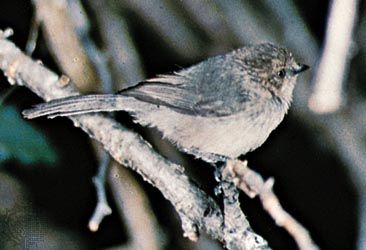
Chickadees and titmice are closely related members of the Paridae family, a group of approximately 55 species of small, gregarious songbirds found primarily in the Northern Hemisphere. While they share many physical traits—such as short, stout bills, strong feet, and curious, active temperaments—they are distinguished by specific taxonomic and physical characteristics.19
- Taxonomy: Chickadees belong to the genus Poecile. In contrast, the term “titmouse” (or “tit”) is used for other members of the family, including those in the genus Baeolophus (such as the tufted titmouse) and various Old World species.31
- Appearance: Chickadees are generally characterized by a dark cap and bib. Titmice, such as the tufted titmouse, are often distinguished by the presence of a crest on their heads.31
- Distribution: While both are found in the Northern Hemisphere, chickadees are primarily associated with North American species, whereas “tit” is the common name for related members of the family in the Old World.31
Why are chickadees considered highly intelligent birds?
The provided search results do not contain information regarding the intelligence of chickadees. While chickadees are recognized in ornithological studies for their complex caching behavior and remarkable spatial memory—which allows them to relocate thousands of hidden food items—this specific information is not available in the provided source.10
Because the provided search results are limited to a dictionary definition, I cannot explain the scientific basis for their reputation for intelligence.
Sources
- Chickadee — Encyclopædia Britannica
- 10 Fascinating Region-Specific Animals | Chestnut-Backed Chickadee — Merriam-Webster
- Paridae — Encyclopædia Britannica
- Dormancy - Energy conservation — Encyclopædia Britannica
- Dormancy - Temperature variations — Encyclopædia Britannica
- Apodiform - Torpor — Encyclopædia Britannica
- Torpor — Encyclopædia Britannica
- Thermoreception - Birds — Encyclopædia Britannica
- Titmouse — Encyclopædia Britannica
- chickadee — Merriam-Webster
Published on · 2 min read