Common Bean
The common bean (Phaseolus vulgaris) is an annual herbaceous plant in the Fabaceae family, widely cultivated for its edible seeds and pods. Originating in…
What is Common bean?
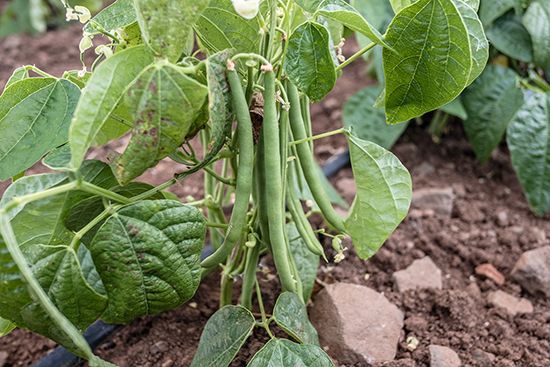
The common bean (Phaseolus vulgaris) is an annual herbaceous plant in the Fabaceae family, widely cultivated for its edible seeds and pods. Originating in Central and South America, it ranks second only to the soybean in global economic and societal importance as a legume crop.12
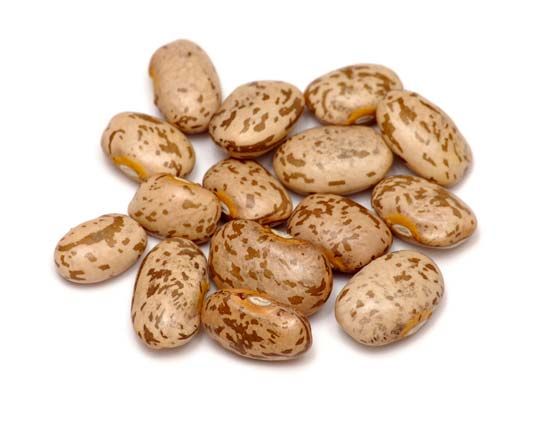
The species is highly diverse, growing as either an erect bush or a climbing plant. It encompasses many familiar varieties, including green beans, kidney beans, pinto beans, navy beans, and black beans. Depending on the variety, they are harvested for their immature pods or their mature dry seeds. Nutritionally, common beans are valued as a rich source of protein, iron, thiamin, and riboflavin. They play a central role in various global cuisines, particularly in Latin American and Creole cooking.123
How do nitrogen-fixing bacteria help common beans grow?
Common beans grow more effectively through a mutualistic symbiosis with nitrogen-fixing bacteria, specifically those of the genus Rhizobium.45
This process functions as follows:
- Infection and Nodulation: The bacteria invade the root hairs of the bean plant, where they multiply and stimulate the formation of root nodules—specialized enlargements of plant cells and bacteria.46
- Nitrogen Conversion: Within these nodules, the bacteria convert atmospheric nitrogen (which is otherwise unusable by plants) into ammonia.45
- Nutrient Exchange: The bean plant provides the bacteria with a home and the necessary subsistence for their survival. In return, the plant utilizes the ammonia produced by the bacteria to support its own development and growth.45
Because this biological process is essential for plant metabolism, farmers often inoculate bean seeds with commercial cultures of Rhizobium to ensure optimal nodule formation, especially in soils that are nitrogen-deficient or lack the necessary bacteria.46
What are the main differences between bush beans and pole beans?
The primary difference between bush beans and pole beans lies in their growth habit and their requirement for structural support.
- Bush Beans: These varieties are characterized by an upright, bushy growth habit. Because they remain compact and do not vine, they do not require any artificial supports to grow effectively.71
- Pole Beans: These are climbing plants that grow as vines. When cultivated, particularly for their immature pods, they require artificial supports (such as poles or trellises) to facilitate growth and harvesting.13
Both types are varieties of the common bean (Phaseolus vulgaris), a legume of significant economic and nutritional importance. While they differ in their physical structure, both are widely grown in gardens and are valued for their edible seeds and pods.13
Why are soybeans considered more economically important than common beans?
The soybean (Glycine max) is considered the most economically important bean globally due to its exceptional versatility and high nutritional value, which allow it to serve as a staple for both human consumption and animal feed.89
Its economic significance is driven by several key factors:
- Nutritional Profile: Soybeans are one of the richest and most affordable sources of protein, containing an amino acid distribution comparable to animal protein. Because they lack starch, they are also uniquely suited for specialized dietary needs, such as those of diabetics.89
- Industrial Versatility: Beyond food, soybean oil and meal are essential ingredients in hundreds of products. Industrially, the oil is used in the production of paints, adhesives, fertilizers, plastics, and textiles, while proteins are used as binders and emulsifiers.89
- Global Scale: The crop is produced on a massive industrial scale, particularly in the United States, Brazil, and Argentina, where it is frequently genetically modified for herbicide resistance to maximize yields.89
Sources
- Common bean — Encyclopædia Britannica
- Why are navy beans called navy beans? — Encyclopædia Britannica
- Bean — Encyclopædia Britannica
- Nitrogen-fixing bacteria — Encyclopædia Britannica
- nitrogen fixation — Encyclopædia Britannica
- Fabaceae - Nitrogen fixation — Encyclopædia Britannica
- bush bean — Merriam-Webster
- soybean — Encyclopædia Britannica
- Cereal processing - Soybean — Encyclopædia Britannica
Published on · 3 min read