Cinquefoil
Cinquefoil plants are classified as flowering plants belonging to the rose family, known as Rosaceae. Within this family, they are placed in the order…
How are cinquefoil plants classified within the plant kingdom?
Cinquefoil plants are classified as flowering plants belonging to the rose family, known as Rosaceae. Within this family, they are placed in the order Rosales.12
The primary genus for these plants is Potentilla, which encompasses more than 300 species of herbaceous perennials. Additionally, the genus Dasiphora, which includes shrubby cinquefoils, is closely related to Potentilla and is also categorized within the same broader family structure.1
What is cinquefoil and why is it called by that name?
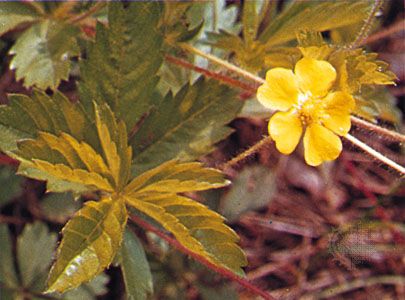
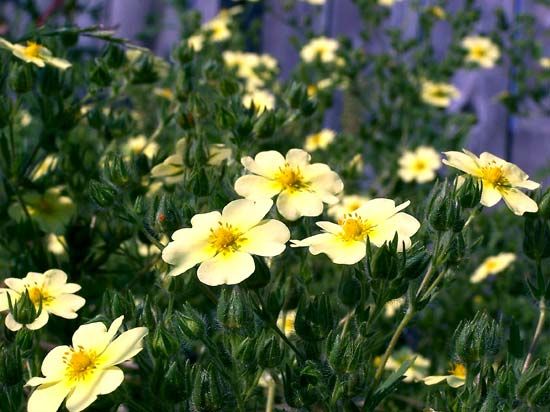
Cinquefoil refers to a genus of over 300 species of herbaceous flowering plants within the rose family, primarily known as Potentilla. These plants are typically perennial and are characterized by their five-petaled flowers and compound leaves.13
The name “cinquefoil” is derived from the Middle English sink foil, which traces back to the Anglo-French cincfoille and the Latin quinquefolium. This term literally translates to “five-leaved,” referring to the number of leaflets found on the compound leaves of many species in the genus. While the name highlights this five-part structure, it is worth noting that some species may actually possess three, seven, or more leaflets. Beyond its botanical use, the term also describes a design element in art and architecture consisting of five joined foils.31
What are the main differences between cinquefoil and other plants in the rose family?
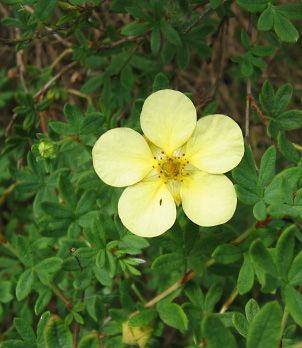
Cinquefoil (Potentilla) shares the fundamental characteristics of the rose family (Rosaceae), such as radially symmetric flowers with parts typically in multiples of five and the presence of a hypanthium. However, it is distinguished from many other members of the family by several key traits:12
- Growth Habit: While the Rosaceae family is primarily composed of woody plants like shrubs and trees, cinquefoils are predominantly herbaceous perennials.12
- Leaf Structure: Cinquefoils are named for their compound leaves, which are often palmately or pinnately arranged. Unlike many woody Rosaceae species that may be armed with thorns, spines, or prickles, cinquefoils lack these defensive structures.12
- Fruit Type: Cinquefoils produce accessory fruits that are often described as somewhat similar to dry strawberries. This contrasts with other subfamilies in Rosaceae, which produce distinct fruit types such as drupes (e.g., cherries), pomes (e.g., apples), or follicles.12
- Flower Color: While the rose family exhibits a wide range of colors, true bright red flowers are notably absent in many wild species of the family due to a historical lack of specific pigments, whereas cinquefoils are frequently yellow, though some horticultural varieties appear in white or red.123
What are some common species of cinquefoil, and how do they differ?
The genus Potentilla, commonly known as cinquefoil, encompasses over 300 species of flowering plants. While they share a basic five-petaled structure, they vary significantly in their growth habits and appearance.
Notable Species and Varieties
- Ruby Cinquefoil (Potentilla atrosanguinea): A popular ornamental species valued for its striking red flowers, which distinguish it from the more common yellow-flowered varieties.5
- Nepal Cinquefoil (P. nepalensis): Another ornamental species often cultivated for its vibrant floral display.5
- Silverweed (Potentilla anserina): This species is characterized by its distinct silvery or white-tomentose (hairy) undersides on the leaves. The entire plant is often covered in silky hairs, giving it a unique texture compared to other members of the genus.1
- Shrubby Cinquefoil (Dasiphora fruticosa): Formerly classified as Potentilla fruticosa, this plant differs from the herbaceous species by its woody, shrub-like growth habit. It is widely used in landscaping as a dwarf shrub.5
These species differ primarily in their color, leaf texture, and whether they grow as herbaceous perennials or woody shrubs.51
Sources
- cinquefoil — Encyclopædia Britannica
- Rosaceae — Encyclopædia Britannica
- cinquefoil — Merriam-Webster
- Rosales - Ornamental species — Encyclopædia Britannica
- potentilla — Merriam-Webster
- silverweed — Merriam-Webster
Published on · 3 min read