Alewife
The alewife (Alosa pseudoharengus) is an important North American food fish belonging to the herring family, Clupeidae. It is characterized by a deeper body…
What is alewife?
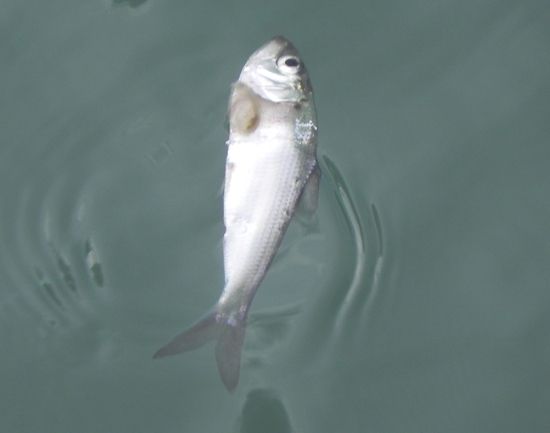
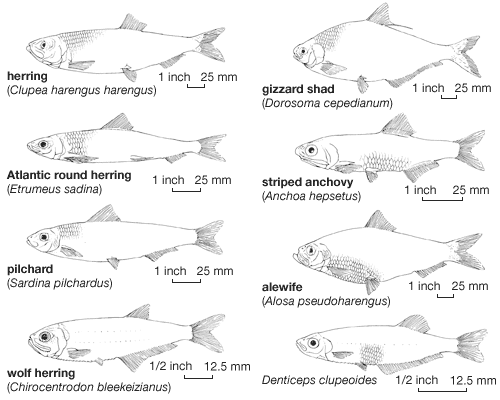
The alewife (Alosa pseudoharengus) is an important North American food fish belonging to the herring family, Clupeidae. It is characterized by a deeper body than the true herring and a distinct saw-edge along its underside, typically growing to about 30 cm (1 foot) in length.1
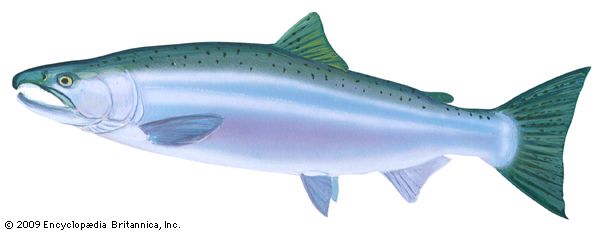
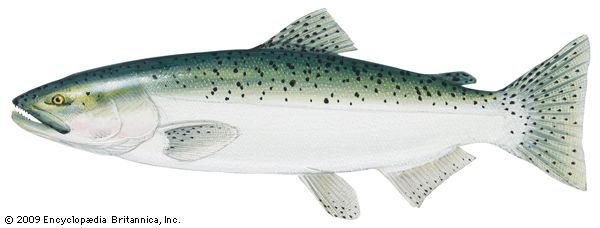
While most populations spend several years along the Atlantic coast before migrating into freshwater streams to spawn, some are landlocked. In the Great Lakes, where they arrived via the Welland Canal, alewives became a nuisance in the 1960s due to rapid population growth and competition with native species. Their numbers were eventually brought into balance through the introduction of coho and chinook salmon. Because they have little commercial value, mass die-offs of alewives have historically caused significant sanitary issues on beaches.123
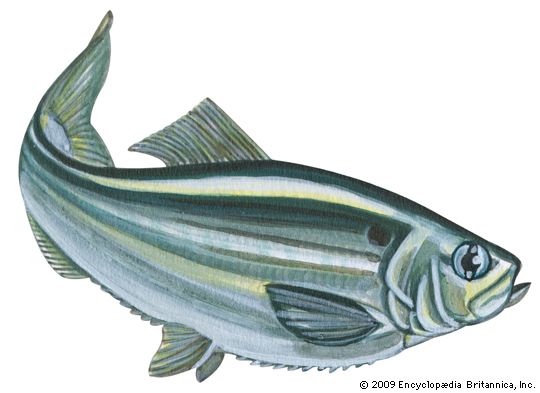
What does it mean for a fish to be anadromous?
An anadromous fish is a species that spends the majority of its life in the sea but migrates into fresh water to spawn. This life cycle allows these fish to exploit different environments for feeding and maturation, often enabling them to expand their range into colder regions where receding glaciers have created new, inhabitable freshwater habitats.456
Because these fish move between environments with vastly different salt concentrations, they require precise physiological adaptations to regulate their blood’s osmotic pressure. When transitioning between saltwater and freshwater, these fish typically pause in brackish waters to allow their internal systems to adjust, as a sudden change could cause physiological shock.47
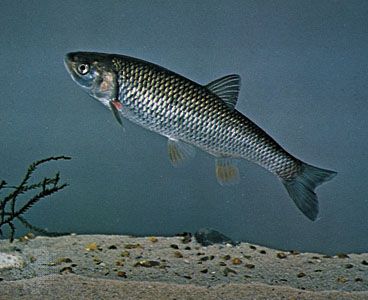
During their migration, anadromous fish often demonstrate remarkable navigational abilities, frequently returning to the specific river where they hatched by using environmental cues such as the Earth’s magnetic field, the Sun, and their highly developed sense of smell. Well-known examples of anadromous fish include various species of salmon and smelts.456
How did the sea lamprey affect the Great Lakes ecosystem?
The sea lamprey (Petromyzon marinus) has had a devastating impact on the Great Lakes ecosystem since it first appeared in Lake Ontario in the 1830s. After expanding its range through the Welland Canal in the early 20th century, the lamprey established landlocked populations that faced no natural predators.9
As a parasitic species, the sea lamprey uses its suction-cup mouth and sharp teeth to attach to host fish, rasping holes into their flesh to feed on their fluids. While they often do not kill their hosts in their native oceanic habitats, they are far more lethal in the Great Lakes, killing more than half of the fish they parasitize. This predation, combined with overfishing and pollution, led to the collapse of vital commercial fisheries, including lake trout, whitefish, and chub.9
To mitigate this damage, U.S. and Canadian agencies have implemented control measures such as electrical barriers, traps, and the use of lampricides to target larvae. These efforts have successfully reduced sea lamprey populations by approximately 90 percent by the 2020s.9
What are some other examples of invasive species in the Great Lakes?
Beyond the sea lamprey, several other invasive species have significantly altered the Great Lakes ecosystem:
- Alewife: Entering via the Welland Canal, this fish multiplied rapidly in the 1960s, outcompeting native species for food. Their populations were eventually balanced through the introduction of coho and king salmon.110
- Zebra and Quagga Mussels: These prolific mollusks disrupt food webs by consuming vast amounts of phytoplankton. They also cause significant infrastructure damage by clogging water-intake pipes and fouling boat hulls.210
- Spiny Water Flea: This crustacean, which gained access to the lakes in the 1980s, has established large populations that threaten native species.10
- Round Goby: A bottom-dwelling fish that competes directly with indigenous species for food and habitat.10
- Ruffe: A small, perchlike fish that preys on the eggs of native fish populations.10
Sources
- alewife — Encyclopædia Britannica
- Great Lakes - Plant and animal life — Encyclopædia Britannica
- clupeiform - Growth and mortality — Encyclopædia Britannica
- Migration - Anadromous fish — Encyclopædia Britannica
- protacanthopterygian - Distribution and abundance — Encyclopædia Britannica
- Marine ecosystem - Migrations of marine organisms — Encyclopædia Britannica
- clupeiform - Physiology — Encyclopædia Britannica
- Biosphere - Salinity — Encyclopædia Britannica
- sea lamprey — Encyclopædia Britannica
- zebra mussel — Encyclopædia Britannica
Published on · 3 min read