Copperhead
To distinguish the North American copperhead from similar species, such as the corn snake, you should look closely at the patterns on their backs.
How can you distinguish a copperhead snake from other similar-looking species?
To distinguish the North American copperhead from similar species, such as the corn snake, you should look closely at the patterns on their backs.
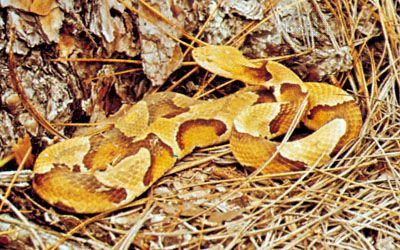
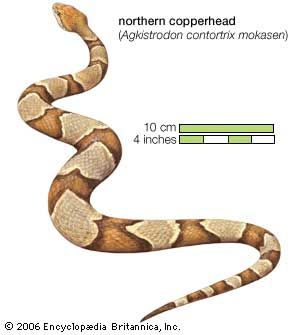
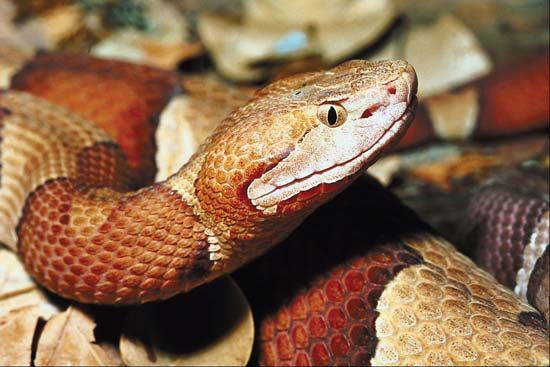
The copperhead is a pit viper characterized by reddish-brown, hourglass-shaped crossbands. In contrast, the corn snake—which is often mistaken for a copperhead—features squarish blotches that are orange, red, or brown and typically outlined with black margins.12
Additionally, as a member of the viper family, the North American copperhead possesses a distinct sensory pit located between each eye and nostril, a feature absent in non-venomous species like the corn snake. While the copperhead is generally less than one meter long and has a distinct copper-colored head, the corn snake is typically more slender and can reach greater lengths.12
How venomous are copperhead snakes, and what are the effects of their bite?
The North American copperhead (Agkistrodon contortrix) is a venomous pit viper, but its venom is considered relatively weak compared to many other venomous snakes, and bites are rarely fatal to humans.3
Effects of a Copperhead Bite
While the venom is not typically lethal, a bite remains a serious medical concern. Like other venomous snakes, copperheads use their fangs to inject a complex mixture of enzymes and proteins that can cause significant tissue damage. The primary effects of a bite include:14
- Localized Tissue Damage: The venom often causes severe pain, swelling, and discoloration in the area surrounding the bite.14
- Inflammation: Victims may experience intense inflammation, which can lead to the development of gangrene if not properly managed.1
- Systemic Reactions: Depending on the amount of venom injected and the victim’s sensitivity, systemic symptoms can occur, though they are generally less severe than those caused by more potent species like rattlesnakes.13
Medical Management
If bitten, it is critical to seek professional medical attention immediately. First aid should focus on immobilizing the affected limb in a horizontal position and avoiding harmful practices such as cutting the wound, applying suction, or using tourniquets. Medical professionals may administer antivenins to neutralize the toxins and prevent further complications.1
Where are copperhead snakes typically found in North America?
The North American copperhead (Agkistrodon contortrix) is primarily found throughout the eastern and central United States. Within these regions, they typically inhabit a variety of environments, including swampy, rocky, and wooded areas.1
It is important to note that the term “copperhead” is also used for unrelated species in other parts of the world, such as the Australian copperhead (Denisonia superba), which is found in Tasmania and along the southern coasts of Australia, and the Indian copperhead (Elaphe radiata), which is a type of rat snake.1
What role do copperhead snakes play in their ecosystem?
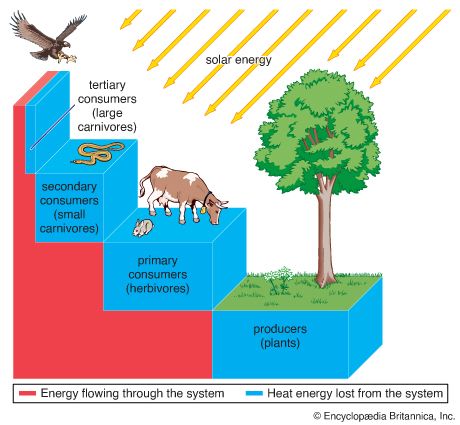
In their ecosystem, North American copperheads (Agkistrodon contortrix) function as secondary consumers within the trophic pyramid. Their role is defined by two primary ecological interactions:6
- Predation and Pest Control: As pit vipers, they utilize heat-sensitive organs to hunt both cold- and warm-blooded prey. By consuming small animals, they serve as an important natural mechanism for rodent control.741
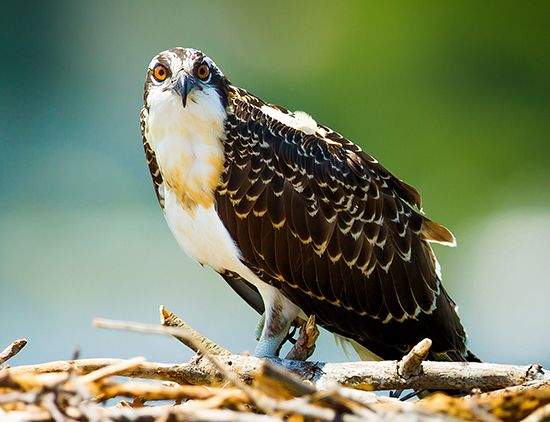
- Prey Species: Copperheads are also part of the diet of other predators. They are known to be hunted by king snakes, which are immune to their venom. Additionally, various birds of prey, such as hawks and eagles, are common predators that help regulate snake populations.6
Through these interactions, copperheads contribute to the balance of their habitats, which range from rocky and wooded regions to swampy areas in the eastern and central United States.1
Sources
- copperhead — Encyclopædia Britannica
- corn snake — Merriam-Webster
- snakebite — Encyclopædia Britannica
- viper — Encyclopædia Britannica
- Venom — Encyclopædia Britannica
- What eats snakes? — Encyclopædia Britannica
- pit viper — Encyclopædia Britannica
Published on · 3 min read