Cotswolds
The Cotswolds are a ridge of limestone hills located in south-central England. They form part of the Jurassic uplands that extend across the country from…
What is the geographical location and extent of the Cotswolds in England?
The Cotswolds are a ridge of limestone hills located in south-central England. They form part of the Jurassic uplands that extend across the country from southwest to northeast, spanning approximately 50 miles (80 km) in length.1
Geographically, the region is defined by a steep escarpment that rises from the clay vales of the River Severn and the River Avon, sloping more gradually eastward toward the vale of Oxford. The elevation of the ridge generally ranges between 600 and 700 feet (180 to 210 metres), though it reaches a high point of 1,083 feet (330 metres) at Cleeve Cloud near Cheltenham.123
The administrative Cotswold district, located within the county of Gloucestershire, covers much of the eastern slopes of this hilly tableland. The area is well-known for its historic market towns and villages, which were historically shaped by the prosperity of the wool trade.321
What are some of the most popular towns and villages in the Cotswolds, and what makes them unique?
The Cotswolds are renowned for their historic market towns and villages, which reflect the region’s former prosperity from the wool trade. These settlements are characterized by their use of local limestone, with stone colors ranging from honey-colored in the north to golden in the center and pearly white in the south.2
Key towns and villages include:
- Bourton-on-the-Water: Often called the “Venice of the Cotswolds,” it is famous for the charming low bridges that cross the River Windrush flowing through its center.2
- Chipping Campden: A 12th-century planned community featuring a long, flowing main street. It is frequently referred to as the “jewel in the crown of Cotswold towns”.2
- Cirencester: Serving as the administrative center of the Cotswold district, this town has deep historical roots dating back to Roman Britain, which are showcased in the local Corinium Museum.2
- Bibury, Lower Slaughter, and Northleach: These central villages are noted for their traditional architecture, including old homes with gabled roofs of stone or tile.2
- Stow-on-the-Wold: Another prominent market town known for its historic character and traditional stone buildings.2
How does the architecture of Cotswold buildings reflect the region’s history and natural resources?
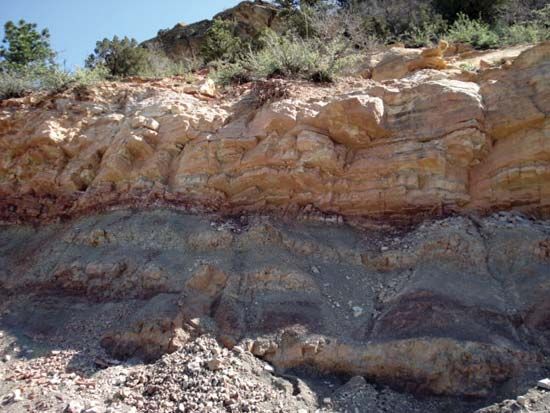
The architecture of the Cotswolds is a direct reflection of the region’s geological composition and its historical economic prosperity. The primary building material is the local oolitic limestone, which varies in hue by location—ranging from honey-colored in the north to golden in the center and pearly white in the south.12
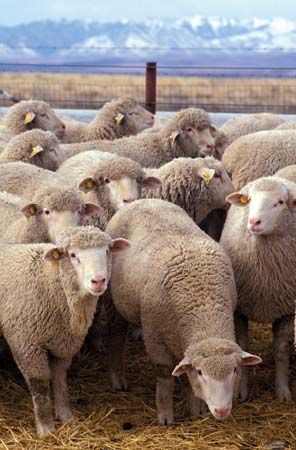
This stone was used to construct the substantial homes, market halls, and churches that define the region’s character. The immense wealth generated by the Cotswold breed of sheep and the domestic wool and cloth industries from the 14th through the 18th centuries funded these impressive structures. This prosperity is particularly evident in the Perpendicular Gothic churches of the 14th–16th centuries, which often feature elaborate details like the 15th-century painted glass windows found in St. Mary at Fairford.12
Beyond the buildings themselves, the landscape reflects the transition from open sheep runs to enclosed arable farming, characterized by the iconic dry stone walls that replaced traditional hedges.12
How did the wool trade shape the architecture of Cotswold villages?
The wool trade was the primary engine of economic prosperity in the Cotswolds from the 14th through the 18th centuries, and its legacy is physically etched into the region’s architecture. The immense wealth generated by the Cotswold breed of sheep and the subsequent domestic cloth industry allowed merchants and traders to fund the construction of substantial, enduring buildings that define the area today.12
This prosperity is most visible in the region’s grand churches, many of which were built in the Perpendicular Gothic style between the 14th and 16th centuries. These structures often feature elaborate craftsmanship, such as the 15th-century painted glass windows found in the parish church of St. Mary at Fairford. Beyond ecclesiastical buildings, the wealth of the wool era is reflected in the market halls and fine stone houses that grace the villages and market towns. These buildings utilize the local oolitic limestone, a material that remains a hallmark of the region’s aesthetic identity.21
Sources
- Cotswolds — Encyclopædia Britannica
- Cotswold — Encyclopædia Britannica
- Gloucestershire — Encyclopædia Britannica
Published on · 3 min read