Craton
A craton is the stable, relatively immobile interior portion of a continent, typically composed of ancient crystalline basement rock. The term is used to…
What is craton?
A craton is the stable, relatively immobile interior portion of a continent, typically composed of ancient crystalline basement rock. The term is used to distinguish these stable regions from mobile geosynclinal troughs, which are areas characterized by sediment accumulation and subsidence.12
Cratons are generally categorized into two types:
- Shields: Areas where ancient Precambrian basement rocks are extensively exposed at the surface.1
- Platforms: Regions where the basement rock is covered by a layer of horizontal or subhorizontal sediments.1
The word itself is derived from the Greek kratos, meaning “strength,” reflecting the structural stability of these continental cores.2
What is the difference between a shield and a platform?
Within the context of a craton—the stable interior of a continent—the primary difference between a shield and a platform lies in the visibility of the underlying basement rock:
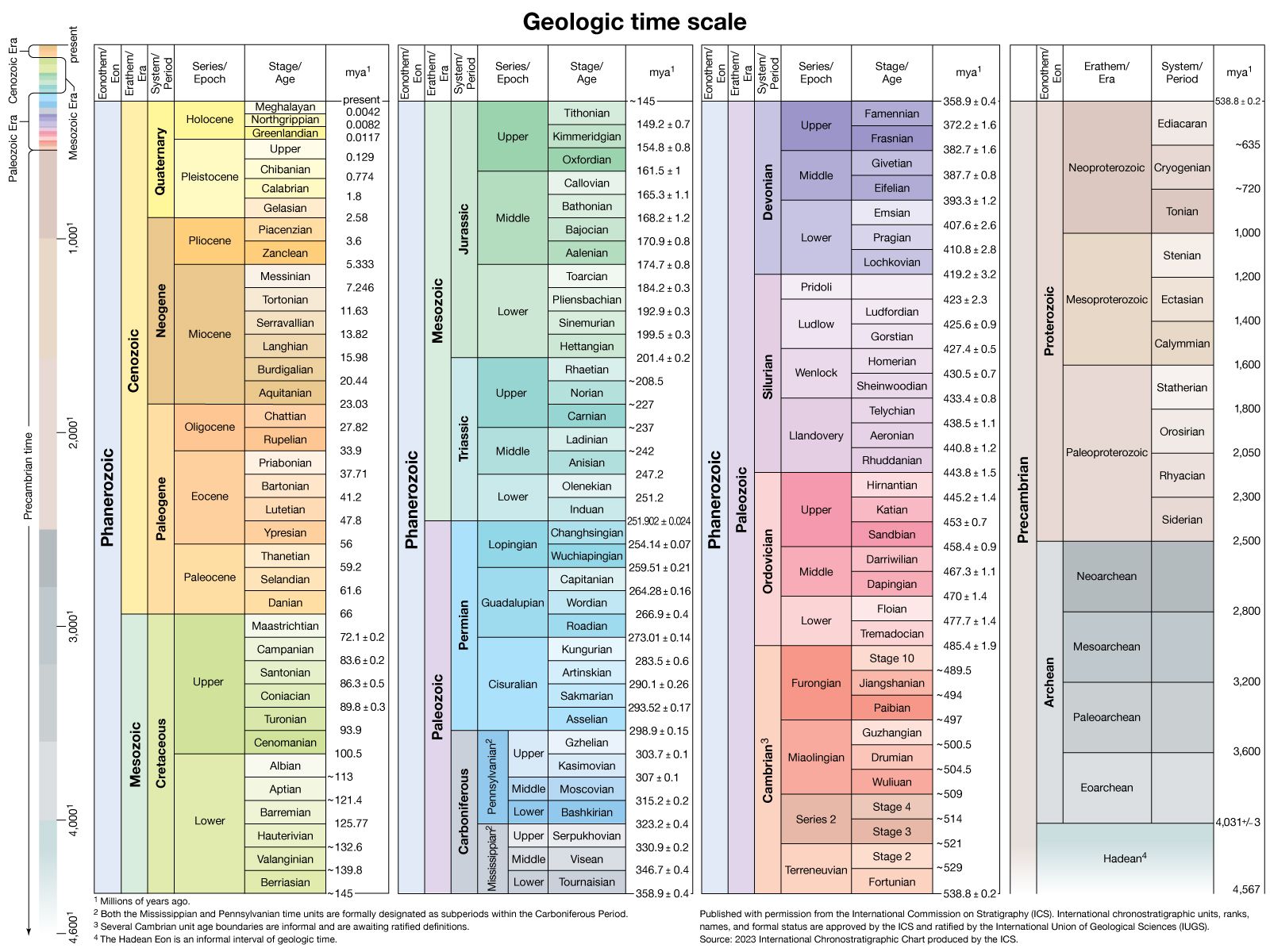
- Shields: These are regions of a craton where ancient Precambrian crystalline basement rocks are extensively exposed at the surface.Precambrian](https://www.britannica.com/science/Precambrian) crystalline basement rocks are extensively exposed at the surface. They serve as the stable, ancient nuclei of continents, often dating back 2 to 4 billion years.13
- Platforms: In these regions, the same type of ancient basement rock exists, but it is not exposed at the surface. Instead, it is buried beneath a layer of horizontal or subhorizontal sedimentary deposits.4
It is important to note that the term “platform” in this geological context is distinct from a “wave-cut platform,” which is a coastal feature formed by wave abrasion rather than a structural component of a continent.5
How do cratons contribute to the formation of continents?
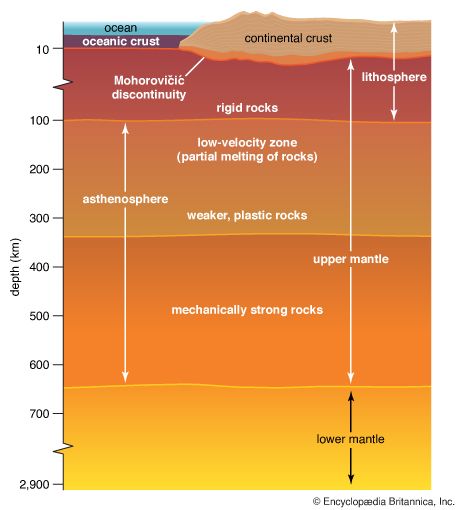
Cratons serve as the stable, ancient “nuclear mass” or core of a continent, providing the structural foundation upon which continental landmasses are built and preserved over billions of years.16
While continental crust is primarily formed through the accretion of island arcs and material added at subduction zones, cratons act as the enduring, immobile centers of these landmasses. Their role in continental formation and longevity is defined by several key factors:26
- Structural Stability: Unlike mobile belts or geosynclinal troughs that are subject to frequent deformation and subsidence, cratons are relatively immobile, providing a rigid base that resists tectonic recycling.16
- Preferential Preservation: Because continental crust is less dense and more buoyant than oceanic crust, it resists subduction. Cratons, as the oldest and most stable parts of this crust, are effectively preserved while oceanic crust is continuously recycled into the mantle.27
- Growth Nuclei: Continents grow by adding material to these ancient cores. Over geologic time, the accretion of volcanic arcs and other crustal fragments around these stable cratonic nuclei has expanded the total area of the continents.2
What are some examples of major cratons on Earth?
Cratons are the stable, ancient interiors of continents, typically composed of crystalline basement rock that has remained relatively immobile for billions of years. These regions often consist of a combination of shields, where ancient rocks are exposed at the surface, and platforms, where the basement is covered by younger sedimentary layers.18
Several major cratons have been identified across the globe, with particularly well-documented examples found in Africa and North America:
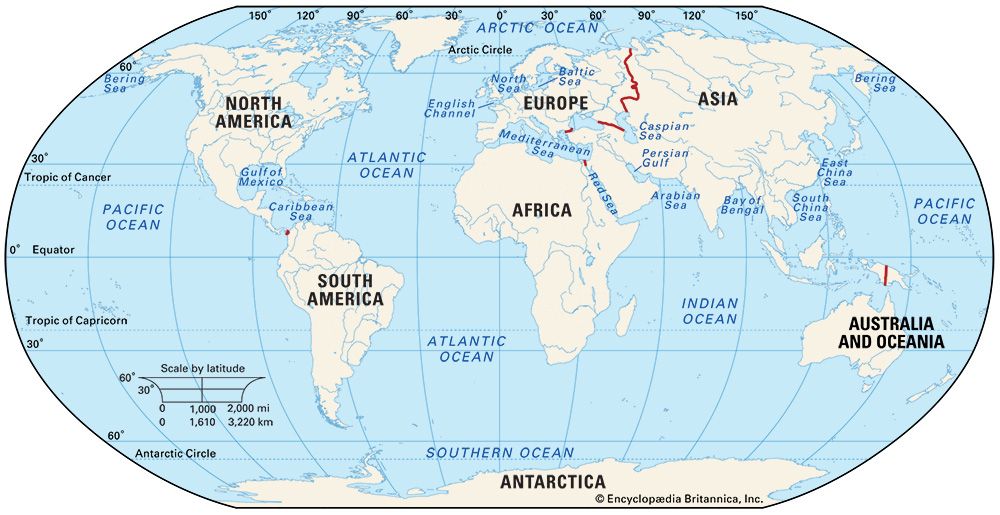
- African Cratons: The African continent is built upon five primary Precambrian cratons that have remained tectonically stable for approximately 2 to 3.6 billion years. These include:9
- Kaapvaal Craton: Known for its well-preserved Archean rocks and significant mineral deposits, such as gold and diamonds.109
- Zimbabwe Craton: Often studied alongside the Kaapvaal craton, it contains ancient greenstone belts and significant mafic-ultramafic intrusions like the Great Dyke.10
- Tanzania Craton: A stable core that has been a focal point for geologic study in East Africa.109
- Congo Craton: A vast, stable region that serves as a fundamental building block of Central Africa.109
- West African Craton: A major structural unit that includes extensive sedimentary basins, such as the Taoudeni basin.109
- North American Cratons: The Canadian Shield represents a massive, exposed portion of the North American craton, featuring some of the oldest rocks on Earth.2
Sources
- craton — Encyclopædia Britannica
- craton — Merriam-Webster
- wave-cut platform — Encyclopædia Britannica
- continent — Encyclopædia Britannica
- continental shield — Encyclopædia Britannica
- continental crust — Encyclopædia Britannica
- plate tectonics - Convergent margins — Encyclopædia Britannica
- Canada - The Canadian Shield — Encyclopædia Britannica
- Africa - The Precambrian — Encyclopædia Britannica
- Africa - General considerations — Encyclopædia Britannica
Published on · 3 min read