Continent
A continent is defined as a large, continuous mass of land conventionally regarded as a collective region. While there is no single, strict scientific…
What are the seven continents of the world, and how are they defined?
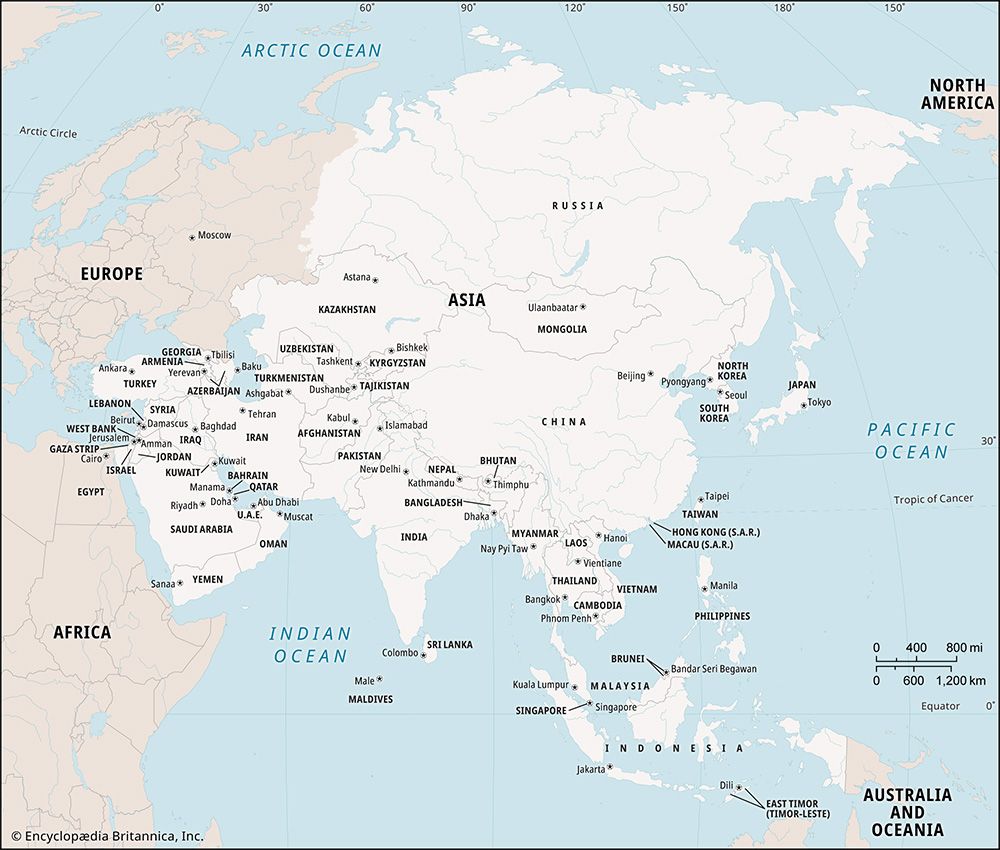
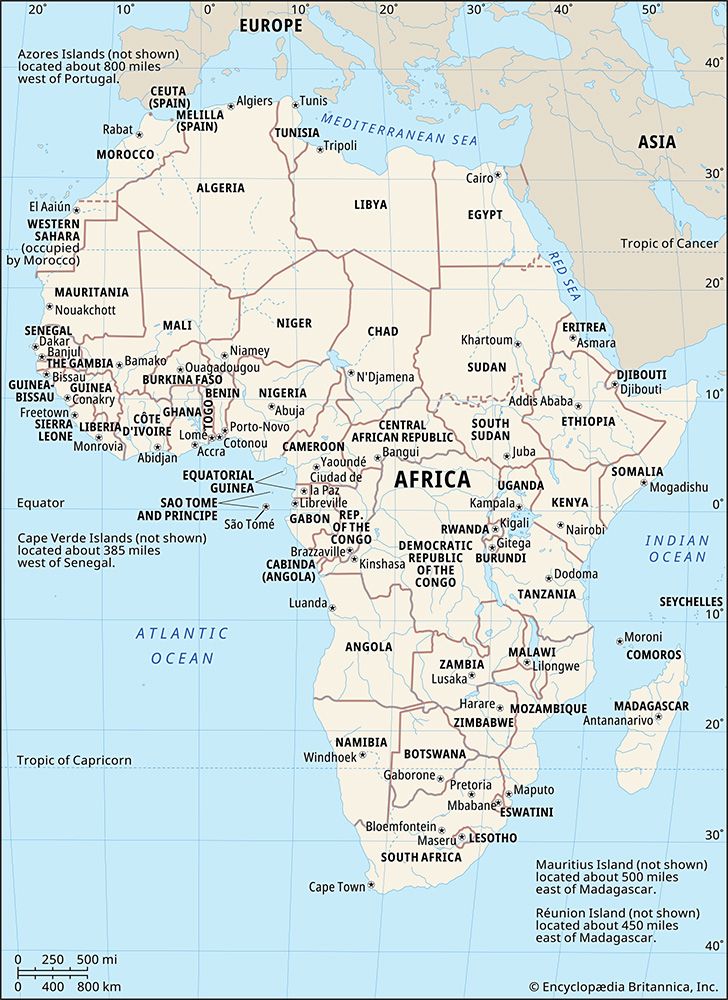
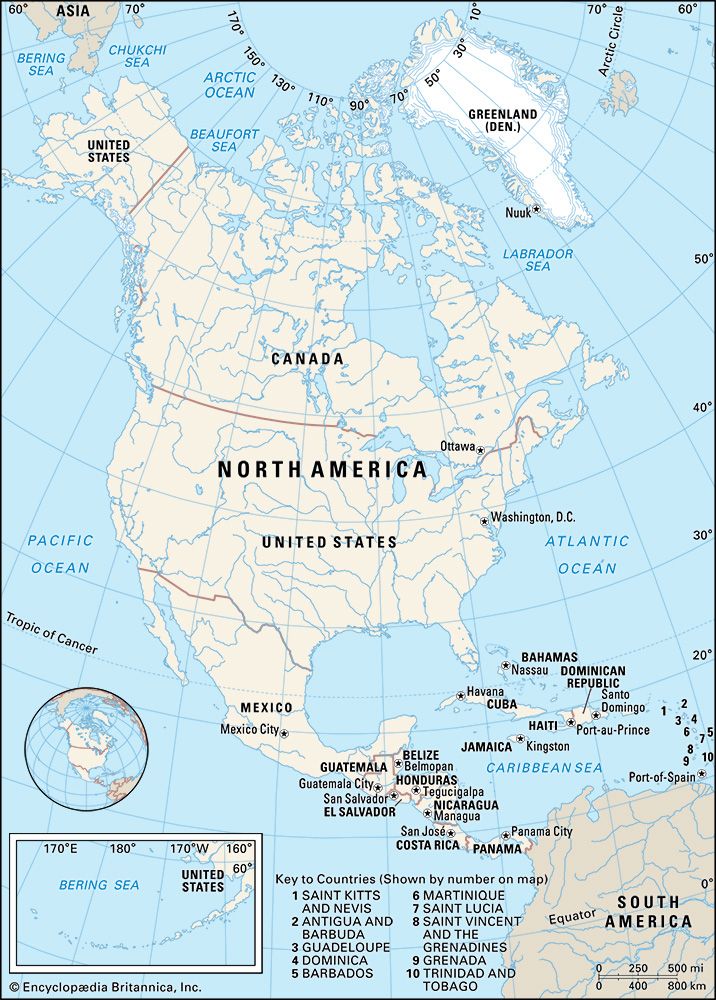
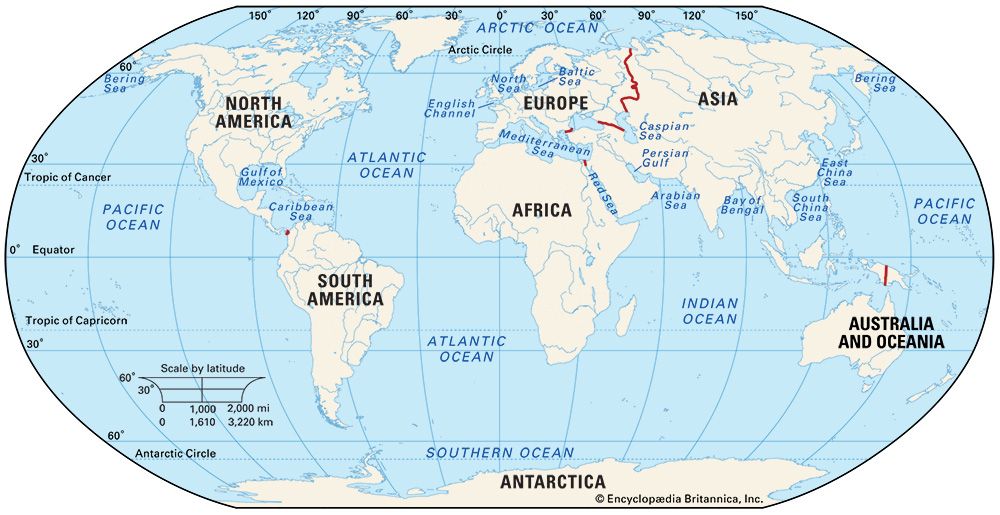
A continent is defined as a large, continuous mass of land conventionally regarded as a collective region. While there is no single, strict scientific definition, geographers typically distinguish continents based on a combination of criteria, including size, geological features (such as tectonic plates), biological uniqueness, and anthropological history.12
There are seven continents, listed here from largest to smallest:
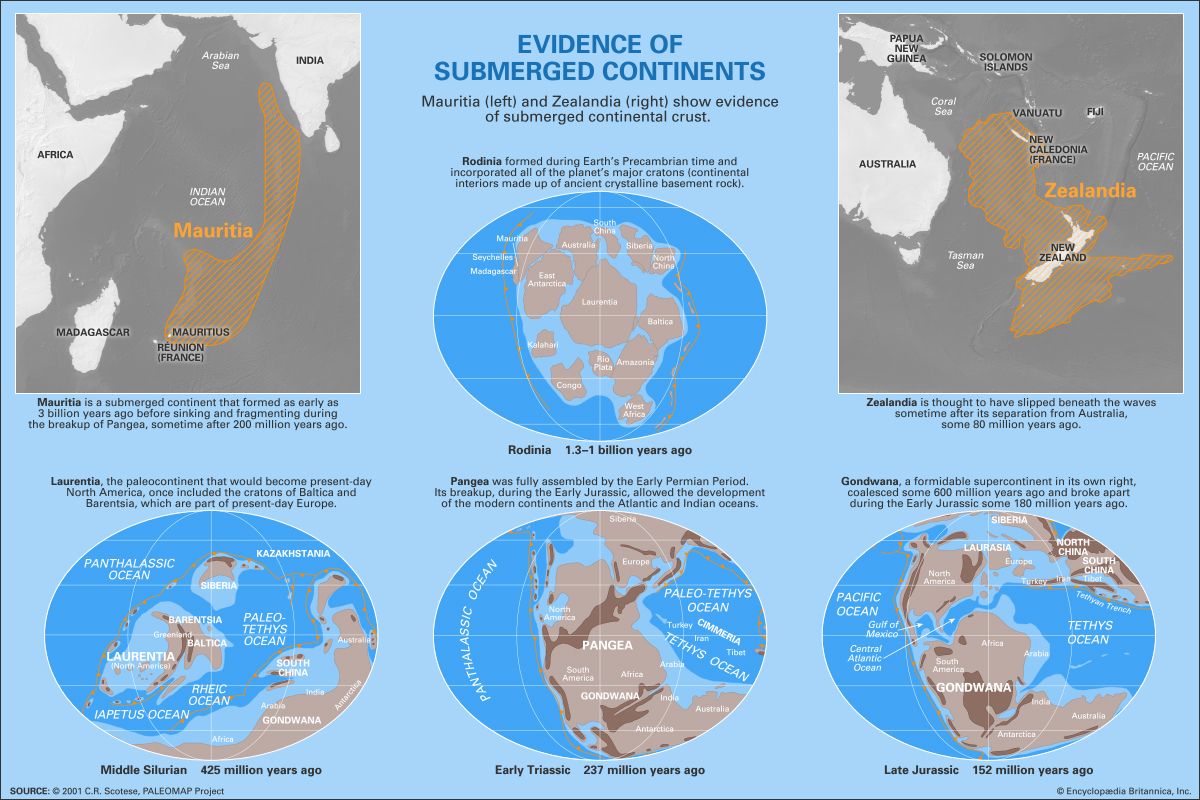
These classifications are not absolute; for instance, Europe and Asia are sometimes grouped together as Eurasia because they share a single landmass, though they are often separated for cultural and historical reasons. Additionally, continents are not static; they have shifted over geologic time through the process of continental drift, occasionally coalescing into supercontinents before breaking apart again.1234
How has human activity affected the landscapes and ecosystems of different continents?
Human activity has profoundly altered landscapes and ecosystems across all continents, leading many scientists to characterize the current era as the Anthropocene Epoch. This transformation is driven by systematic changes to the Earth’s surface, atmosphere, and oceans, largely accelerating since the Industrial Revolution.7
Landscape and Topographic Alterations
Humans have become a primary geological force, reshaping terrain through:
- Land Conversion: By 2005, nearly two-fifths of Earth’s land was converted for agriculture and one-tenth for urban development.7
- Engineering Projects: The construction of superhighways, dams, and quarries has fundamentally altered river flow patterns and removed entire mountain sections.8
- Resource Extraction: The removal of groundwater and petroleum has caused widespread land subsidence and collapse in regions like the southwestern United States and near Mexico City.12
Ecosystem Degradation
Human influence has led to a global “simplification and impoverishment” of biological communities:9
- Deforestation: Clearing forests for agriculture or logging destroys biodiversity, disrupts water cycles, and fragments habitats, isolating species and hindering reproduction.10
- Pollution: The introduction of pesticides, industrial toxins, and acid rain has modified the chemical budgets of ecosystems globally. In aquatic systems, eutrophication from nutrient runoff creates oxygen-depleted “dead zones.”97
- Climate Change: The burning of fossil fuels has increased atmospheric carbon dioxide, contributing to rising global temperatures, the loss of sea ice, and ocean acidification, which threatens coral reefs and marine food chains.7
- Invasive Species: In fragile environments like Antarctica and subantarctic islands, the introduction of alien species—such as sheep and rabbits—has decimated native plant communities.11
We could dive deeper into how specific regions, such as the Amazon Rainforest or Arctic, are uniquely impacted by these global trends.
How do ocean currents interact with continents to affect global weather patterns?
Ocean currents interact with continents to regulate global weather and climate primarily by transporting heat and moisture between the tropics and the poles. This exchange occurs through two main mechanisms: wind-driven currents and thermohaline circulation.151617
Heat Transport and Climate Moderation
Ocean currents act as a massive heat reservoir, absorbing solar energy in the tropics and moving it toward higher latitudes.1816
- Warm Currents: Currents like the Gulf Stream and the North Atlantic Current transport warm, saline water toward northwestern Europe. When combined with prevailing westerlies, these currents carry warm, moist air deep into the continent, significantly moderating winter temperatures.151819
- Cold Currents: Conversely, cold currents such as the Peru (Humboldt) Current cool the air along adjacent coastlines, influencing regional temperature gradients and precipitation patterns.20
Atmospheric Interaction
The ocean and atmosphere are deeply linked through the transfer of heat and moisture.16
- Weather Steering: Strong thermal gradients at the boundaries of warm and cold currents can position and guide the jet stream, which in turn steers weather systems across continents.20
- Climate Anomalies: Interactions like the El Niño/Southern Oscillation demonstrate how shifts in ocean surface temperatures can trigger major climatic perturbations, altering precipitation and temperature patterns across multiple continents.2016
What is the concept of supercontinents, and can you give an example from Earth’s history?
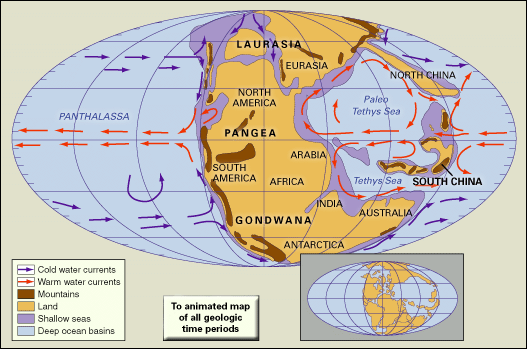
A supercontinent is a massive landmass that accounts for the vast majority of Earth’s continental crust, typically consisting of most or all of the world’s existing cratons. The formation and breakup of these landmasses occur in a recurring process known as the supercontinent cycle, which is driven by convection within Earth’s mantle and typically spans 300 million to 500 million years.621
The most famous example is Pangaea, which was fully assembled by approximately 299 million to 273 million years ago. Pangaea incorporated nearly all of Earth’s landmasses and was surrounded by the global ocean known as Panthalassa. It began to fragment about 200 million years ago, eventually giving rise to the modern configuration of our continents and oceans.622
Other notable supercontinents from Earth’s history include:
Sources
- continent: Top Questions — Encyclopædia Britannica
- Is Australia an Island? — Encyclopædia Britannica
- North America - General considerations — Encyclopædia Britannica
- paleogeography - Geologic and tectonic history — Encyclopædia Britannica
- plate tectonics - Precursors — Encyclopædia Britannica
- supercontinent — Encyclopædia Britannica
- Anthropocene Epoch - The scale of human activity — Encyclopædia Britannica
- Agricultural technology - Air pollution damage to agriculture — Encyclopædia Britannica
- Antarctica - Plant life — Encyclopædia Britannica
- iceberg - Impacts on ice sheets and sea level — Encyclopædia Britannica
- Agricultural technology - The effects of pollution — Encyclopædia Britannica
- biogenic landform — Encyclopædia Britannica
- Deforestation - Effects — Encyclopædia Britannica
- Plant - Changes in biosystems: pollution — Encyclopædia Britannica
- thermohaline circulation — Encyclopædia Britannica
- How Do Ocean Currents Affect the Biosphere? — Encyclopædia Britannica
- Climate - Circulation, currents, and ocean-atmosphere interaction — Encyclopædia Britannica
- Climate - Thermohaline circulation — Encyclopædia Britannica
- Atlantic Meridional Overturning Circulation: Top Questions — Encyclopædia Britannica
- Climate - Climate and the oceans — Encyclopædia Britannica
- plate tectonics - Supercontinent cycle — Encyclopædia Britannica
- Rodinia — Encyclopædia Britannica
- Pangea — Encyclopædia Britannica
Published on · 4 min read