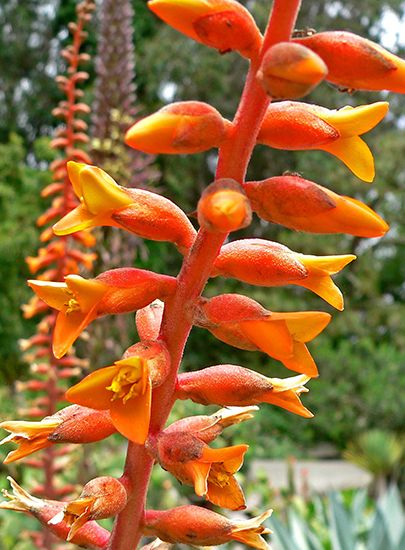
Crossosomatales
The provided search results do not contain information regarding the specific evolutionary history of the Crossosomatales order. While the available data…
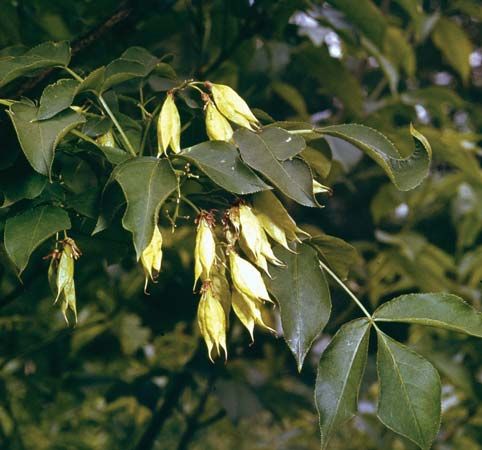
What is the evolutionary history of the Crossosomatales order?
The provided search results do not contain information regarding the specific evolutionary history of the Crossosomatales order. While the available data identifies the order as a heterogeneous assemblage of eight families belonging to the basal rosid group of the Angiosperm Phylogeny Group II classification system, it does not detail the evolutionary timeline or ancestral development of the group.1
Where are plants from the Crossosomatales order typically found geographically?
Plants within the Crossosomatales order are primarily found in the northern temperate region, though their distribution extends into various tropical and subtropical zones across the globe. Their geographic presence is diverse, with specific families occupying distinct regions:
- North America: The Crossosomataceae family is found in the southwestern United States and adjacent regions of Mexico.
- Asia: The Stachyuraceae family grows from the Himalayas to Japan. Members of the Staphyleaceae family are found in Southeast Asia, China, and Korea, while some species also reach tropical America and Malaysia.
- Africa: The Aphloiaceae family is located from East Africa to the Seychelles, and the Geissolomataceae family is endemic to the Cape Province of South Africa.
- Oceania: The Ixerbaceae and Strasburgeriaceae families are restricted to New Zealand and New Caledonia, respectively.
- Central America: The Guamatelaceae family is native to this region.
How does the Crossosomatales order fit into the broader classification of flowering plants?
The Crossosomatales order, commonly known as the rockflower order, is classified as a group of dicotyledonous angiosperms. Within the Angiosperm Phylogeny Group II (APG II) botanical classification system, this order is situated within the basal rosid group.
The order is characterized as a heterogeneous assemblage comprising eight distinct families. These families are generally categorized into two groups:
- Group 1: Crossosomataceae, Stachyuraceae, Staphyleaceae, and Guamatelaceae.
- Group 2: Aphloiaceae, Geissolomataceae, Ixerbaceae, and Strasburgeriaceae.
Most members of the order are woody shrubs or trees that typically feature toothed leaf margins and contain significant amounts of crystals. Their floral structure generally includes a perianth with four or five sepals and petals, a well-developed nectary, and a superior ovary.
Are there any unique adaptations found in Crossosomatales plants?
Plants within the Crossosomatales order exhibit several unique adaptations that allow them to thrive in diverse and often challenging environments.
Xeromorphic Adaptations
Members of the Crossosomataceae family, which grow in the southwestern United States and Mexico, are specifically adapted to high temperatures, arid conditions, and nutrient-poor soils. These plants, often called xeromorphic shrubs, utilize C4 photosynthesis to maximize efficiency in hot, dry climates and have developed tough, reduced leaves to minimize water loss.4
Reproductive and Structural Traits
- Seed Dispersal: Many species in the order produce seeds featuring an aril—a fleshy, often brightly colored accessory covering. This structure attracts animals, which consume the aril and disperse the seeds through their digestive tracts, facilitating the plant’s reproduction.41
- Chemical and Structural Features: Most members of the order are woody shrubs or trees that contain copious amounts of crystals and typically feature toothed leaf margins.4
- Unique Morphology: The family Guamatelaceae is notable for its departure from typical order characteristics, specifically the absence of endosperm and the presence of a well-developed hypanthium.4
Sources
- Crossosomatales — Encyclopædia Britannica
- moss animal - Annotated classification — Encyclopædia Britannica
- acarid - Distinguishing taxonomic features — Encyclopædia Britannica
- plant - Fruits and seeds — Encyclopædia Britannica
- aril — Encyclopædia Britannica
Published on · 2 min read