Cuesta
A cuesta is a distinct landform characterized by an asymmetrical profile: it features a steep cliff or escarpment on one side and a gentle dip or back slope…
What is cuesta?
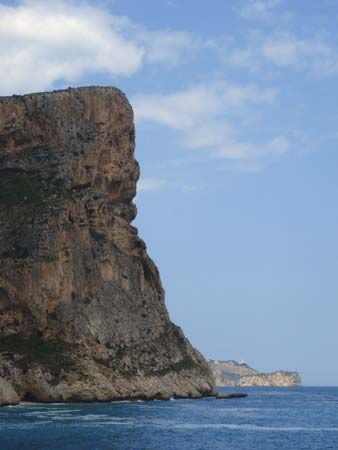
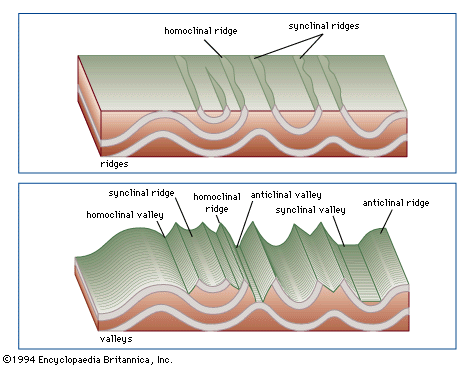
A cuesta is a distinct landform characterized by an asymmetrical profile: it features a steep cliff or escarpment on one side and a gentle dip or back slope on the other.1
This feature develops in regions with tilted strata due to the differential erosion of rock layers. A hard, resistant capping layer protects the surface, while a softer underlying layer erodes more rapidly, creating the steep scarp face. While back slopes are typically smooth, the escarpment side often becomes rugged and hilly due to rapid erosion from short streams. When the dip slope is steeper—typically between 40° and 45°—the formation is referred to as a hogback ridge. Cuestas are frequently found in the United States, particularly in New Mexico and Arizona.1
What is the difference between a cuesta and a hogback?
While both landforms are ridges created by the outcropping edges of tilted strata, they are distinguished primarily by the angle of their slopes.
A cuesta is defined by an asymmetrical profile, featuring a steep escarpment on one side and a gentle dip or back slope on the other. These formations are shaped by the differential erosion of hard and soft rock layers.
A hogback is a specific type of ridge that occurs when the dip slope is significantly steeper, typically ranging between 40° and 45°. Because of this steeper angle, a hogback often presents a sharper summit and more steeply sloping sides compared to the gentler profile of a standard cuesta. While cuestas often feature smooth back slopes and rugged, ravine-cut escarpments, the term hogback is used to describe these ridges when the tilt of the underlying rock layers creates a more pronounced, symmetrical-looking peak.13
How does differential weathering shape landscapes?
Differential weathering is a fundamental process that shapes the Earth’s surface by acting on the varying physical and chemical properties of rock masses. Because different rocks possess unique mineralogical compositions and textures, they respond to environmental forces at different rates, leading to the development of distinct landforms.6
The process is driven by several key factors:
- Composition and Texture: The mineral makeup of a rock determines its susceptibility to chemical alteration, such as solution or oxidation. Meanwhile, rock texture influences physical disintegration; for example, fine-grained rocks are often more prone to chemical change but more resistant to mechanical breakdown.6
- Structural Integrity: The presence of joints, fractures, and fissures provides pathways for water to penetrate, accelerating weathering within those specific areas compared to monolithic, solid structures.67
- Environmental Conditions: Climate plays a critical role, as humid tropical environments favor chemical weathering, while sub-Arctic regions promote physical disintegration through freeze-thaw cycles.6
When softer or more reactive rock layers are stripped away by these processes, more resistant layers are left behind, creating unique topographic features like ridges, cliffs, and domed erosion residuals.68
What are some famous examples of cuestas in the United States?
Cuestas are prominent geological features found throughout the United States, particularly in the American Southwest and along the Atlantic and Gulf coastal regions.1
While the term generally describes ridges with an asymmetrical profile—featuring a steep escarpment on one side and a gentle back slope on the other—several notable examples illustrate this formation:
- Southwestern Landscapes: Cuestas are a characteristic feature of the topography in Arizona and New Mexico, where differential erosion of tilted strata has carved distinct escarpments and smooth dip slopes.1
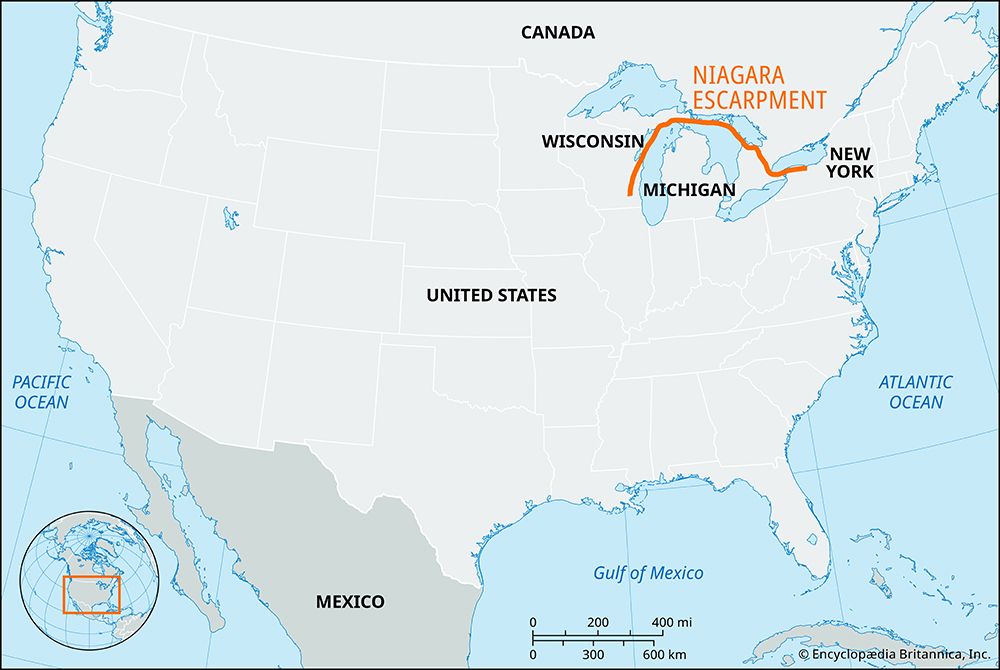
- The Niagara Escarpment: Although often categorized as a massive ridge or escarpment, the Niagara Escarpment serves as a classic example of how a hard, resistant cap rock—in this case, Silurian-aged dolomite—stands up to weathering better than underlying softer shales, creating a significant, long-stretching ridge that extends through Wisconsin, Michigan, and New York.14
Sources
- cuesta — Encyclopædia Britannica
- Uruguay - Relief and soils — Encyclopædia Britannica
- hogback — Merriam-Webster
- hogbacks — Merriam-Webster
- cuestas — Merriam-Webster
- weathering — Encyclopædia Britannica
- glacial landform - Small-scale features of glacial erosion — Encyclopædia Britannica
- river - Rivers as agents of landscape evolution — Encyclopædia Britannica
- geology - Structural geology — Encyclopædia Britannica
- soil - Erosive processes — Encyclopædia Britannica
- continental landform - Consideration of unique landforms and other distinctive topographic features — Encyclopædia Britannica
- rock - Rock cycle — Encyclopædia Britannica
- rock - Rock types — Encyclopædia Britannica
- Niagara Escarpment — Encyclopædia Britannica
Published on · 3 min read