Vitales
The order Vitales consists of a single family, Vitaceae, which is primarily recognized for its economic importance rather than medicinal or therapeutic…
Are there any medicinal or therapeutic uses for plants in the Vitales order?
The order Vitales consists of a single family, Vitaceae, which is primarily recognized for its economic importance rather than medicinal or therapeutic applications. The most significant genus within this family is Vitis, which includes the European wine grape and the North American fox grape. While these plants are cultivated extensively for food and beverage production, the provided information does not detail specific medicinal or therapeutic uses for members of this order.12
What is the relationship between Vitales and other plant orders in the angiosperm family tree?
In the Angiosperm Phylogeny Group (APG) classification system, the order Vitales occupies a unique and somewhat isolated position within the angiosperm family tree.
While Vitales is categorized as a member of the rosid group of core eudicots, it is considered a basal lineage within that group. Historically, the evolutionary affinities of its single family, Vitaceae, have been difficult to determine, and the family lacks any obvious close relatives among other plant orders. Because of this uncertainty, Vitales is often described as “unplaced” within the broader rosid hierarchy, distinguishing it from the two major, well-supported lineages of rosids: the fabids and the malvids.32
This placement represents a departure from older, morphology-based classification systems, such as the Cronquist system, which previously associated the family with the Rhamnales (buckthorn order).34
How are plants in the Vitales order economically important to humans?
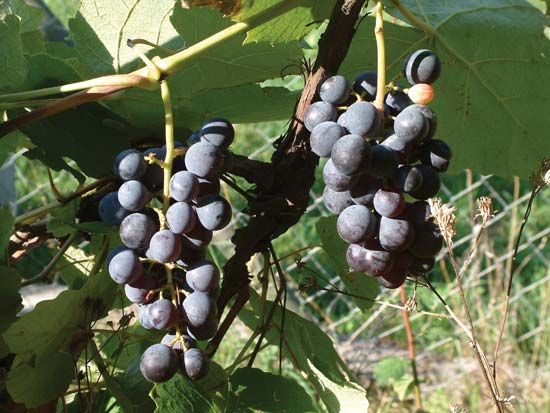
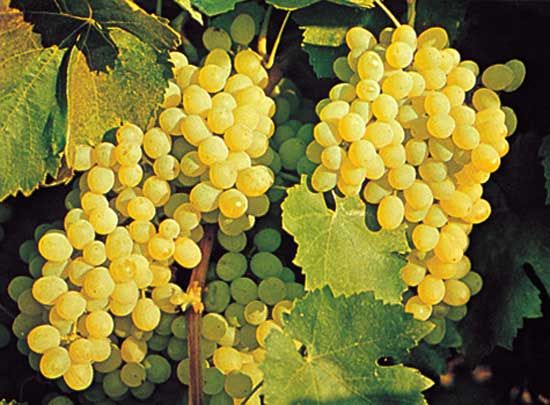
Plants in the order Vitales—specifically those within the family Vitaceae—are of significant economic importance to humans, primarily due to the genus Vitis.15
Food and Beverage Production
The most prominent economic contribution of this order is the cultivation of grapes for various food and beverage products:15
- Wine and Spirits: The European wine grape (Vitis vinifera) is the primary source for the global wine industry. Beyond table wines, grapes are distilled to produce spirits such as brandy, cognac, and Armagnac.5
- Table Fruit and Preserves: Many grape varieties are consumed fresh as table fruit. North American species, such as the fox grape, are widely used to produce grape juice, grape jelly, and various flavorings.45
- Dried Fruit: Specific varieties are dried to create raisins and currants, which are major commodities in international trade.45
Ornamental and Horticultural Uses
Several members of the family are valued for their aesthetic qualities and are widely cultivated as ornamental plants. Notable examples include the Virginia creeper and Boston ivy, which are popular for landscaping in temperate regions, as well as various species used as houseplants, such as the grape ivy.15
What is the evolutionary history and origin of the Vitales order?
The evolutionary history and origin of the order Vitales have historically been difficult to determine, as the order occupies a unique and isolated position within the angiosperm family tree.7
Evolutionary Placement
In the modern Angiosperm Phylogeny Group (APG) classification system, Vitales is recognized as a member of the rosid group of core eudicots. However, it is considered a basal lineage within the rosids and is currently classified as “unplaced” because it lacks clear evolutionary affinities with the two major rosid lineages, the fabids and the malvids.7
Historical Classification
This current understanding represents a significant shift from older, morphology-based systems, such as the Cronquist system. Previously, the family Vitaceae—the only family within Vitales—was associated with the order Rhamnales (the buckthorn order) based on shared physical characteristics. The transition to the APG system reflects the impact of molecular DNA analysis, which has provided more robust data on plant phylogeny and often challenged earlier, morphology-based classifications.728
Sources
- Vitaceae — Encyclopædia Britannica
- Angiosperm - Annotated classification — Encyclopædia Britannica
- Malvales — Encyclopædia Britannica
- Vitales — Encyclopædia Britannica
- Grape — Encyclopædia Britannica
- Africa - Beverage crops — Encyclopædia Britannica
- Caryophyllales - Evolution — Encyclopædia Britannica
- Biochemistry - Historical background — Encyclopædia Britannica
- Vitaceae — Merriam-Webster
Published on · 3 min read