Crown Vetch
Crown vetch (Securigera varia) is a vigorous, trailing plant belonging to the pea family (Fabaceae). Native to the Mediterranean region, it is widely…
What is crown vetch?
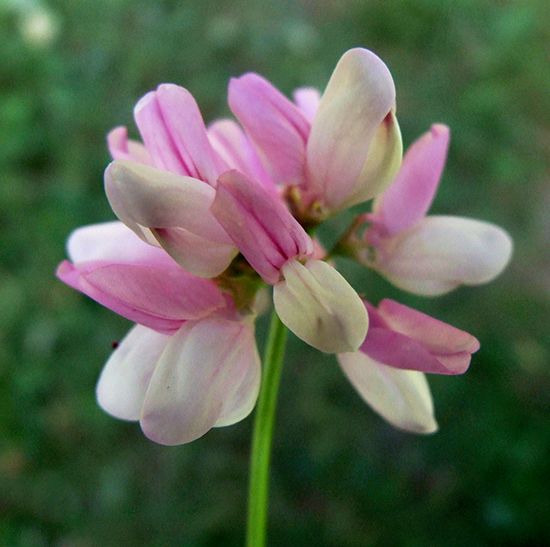
Crown vetch (Securigera varia) is a vigorous, trailing plant belonging to the pea family (Fabaceae). Native to the Mediterranean region, it is widely cultivated in temperate areas as a ground cover, though it is considered an invasive species in parts of the United States1.1
The plant is characterized by compound, fernlike leaves and clusters of white, pink, or purple flowers. Unlike true vetches, its stems lack tendrils. Because it possesses sturdy roots and rhizomes, it is highly effective at binding soil on steep slopes and embankments. As a legume, it improves soil fertility by hosting nitrogen-fixing bacteria that convert atmospheric nitrogen into a usable form.2
What are nitrogen-fixing bacteria?
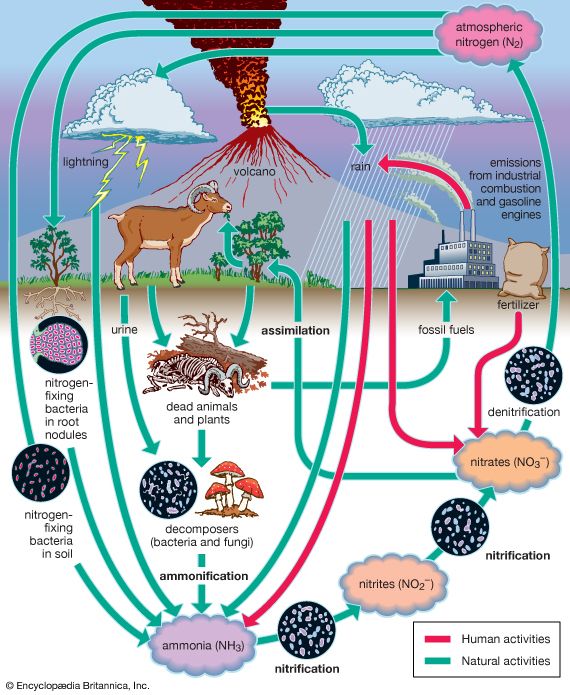
Nitrogen-fixing bacteria are microorganisms that convert atmospheric nitrogen (N2N_2) into fixed nitrogen, such as ammonia, which is essential for plant growth and metabolism. These organisms are responsible for over 90 percent of all biological nitrogen fixation, playing a critical role in the nitrogen cycle.345
There are two primary categories of these bacteria:
- Free-living (nonsymbiotic): These include cyanobacteria like Anabaena and Nostoc, as well as genera such as Azotobacter and Clostridium.3
- Mutualistic (symbiotic): These form intimate relationships with host plants. For example, Rhizobium associates with legumes (such as peas and alfalfa), while Frankia associates with certain woody species.35
In symbiotic relationships, bacteria invade the host’s root hairs, stimulating the formation of nodules where they convert nitrogen into ammonia for the plant. This process is vital for soil fertility and sustainable agriculture, often utilized through crop rotation to maintain soil health.35
How do invasive species harm local ecosystems?
Invasive species are nonnative organisms that disrupt the ecosystems they colonize, often due to a lack of natural predators to keep their populations in check. By possessing competitive advantages, these species can thrive at the expense of indigenous life, leading to significant ecological and economic harm.6
Invasive species damage local environments through several mechanisms:
- Resource Competition: They may outcompete native species for food, living space, and other essential resources, often replacing them entirely.6
- Predation: Invasive predators can be so efficient that they cause native prey populations to decline or face localized extinction.67
- Disease Transmission: They often serve as disease vectors, introducing parasites and pathogens that native species are not adapted to withstand.6
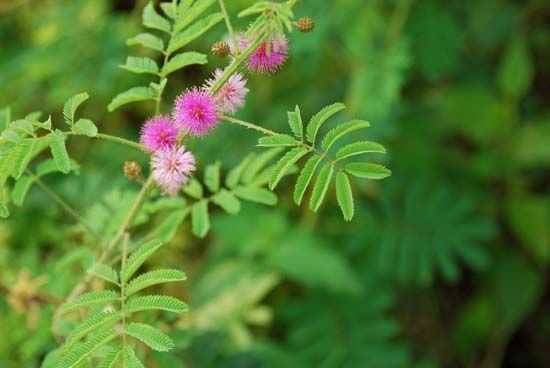
- Habitat Alteration: Some species, such as the giant sensitive tree, form dense thickets that physically transform the landscape and disrupt native community structures.7
Ultimately, these invasions reduce biodiversity and threaten the biological resources upon which humans depend.6
What are some other plants used for erosion control?
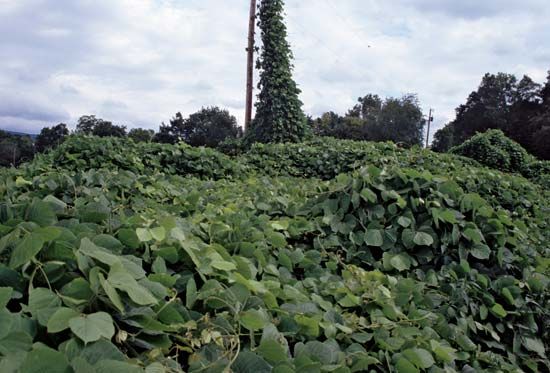
While kudzu was historically used for erosion control, it is an aggressive invasive species that causes significant ecological damage, and its use is now discouraged in favor of more sustainable practices.8
Effective alternatives for controlling erosion include:
- Sod Crops: Fields kept in continuous sod, particularly those using grasses or grass-legume mixtures, are highly effective at minimizing soil loss.9
- Legumes: Crops such as alfalfa, sweet clover, red clover, and Ladino clover are used in crop rotation to improve soil structure and reduce erosion.9
- Small Grains: Crops like wheat, oats, barley, and rye generally permit less erosion than row crops because they leave more residue.9
- Climbers and Ground Covers: Certain woody perennial climbers, such as ivies and trumpet creeper, are useful for stabilizing steep slopes and terraces.10
Choosing the right vegetation depends on the specific site conditions and the goal of balancing agricultural productivity with environmental sustainability.89
Sources
- crown vetch — Encyclopædia Britannica
- crown vetch — Merriam-Webster
- Nitrogen-fixing bacteria — Encyclopædia Britannica
- Bacteria: Top Questions — Encyclopædia Britannica
- Fabaceae - Nitrogen fixation — Encyclopædia Britannica
- invasive species — Encyclopædia Britannica
- Wetland - Disturbances caused by humans — Encyclopædia Britannica
- land reclamation - Reclamation of eroded, infertile, and “new” lands — Encyclopædia Britannica
- Agricultural technology - Crop rotation — Encyclopædia Britannica
- gardening - Shrubs and vines (climbers) — Encyclopædia Britannica
Published on · 3 min read