Cuyahoga River
The Cuyahoga River has served as a significant cultural touchstone in Ohio, particularly due to its history of industrial pollution and subsequent…
How has the Cuyahoga River influenced local art, literature, and culture in Ohio?
The Cuyahoga River has served as a significant cultural touchstone in Ohio, particularly due to its history of industrial pollution and subsequent environmental recovery. The river’s infamous 1969 fire, caused by floating chemical waste, became a national symbol of environmental degradation and has been memorialized in popular music. Notable examples include singer-songwriter Randy Newman’s song “Burn On” and the track “Cuyahoga” by the American rock group R.E.M.1
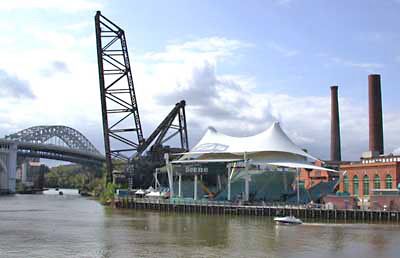
Beyond its role in music, the river is central to the region’s cultural landscape through the Cuyahoga Valley National Park. This protected area preserves the river valley between Akron and Cleveland, offering residents and visitors access to historic sites, such as the 1848 buildings at Hale Farm and Village, and recreational paths like the Ohio and Erie Canal Towpath Trail. The river’s geography also shapes local life; for instance, the “Flats” at the river’s mouth in Cleveland serves as a hub for nightlife, restaurants, and entertainment, reflecting the city’s ongoing relationship with its waterway.12
What efforts have been made to clean up the Cuyahoga River, and how successful have they been?
Following the infamous 1969 fire, which drew national attention to the severe water pollution caused by industrialization, significant efforts were undertaken to restore the Cuyahoga River.
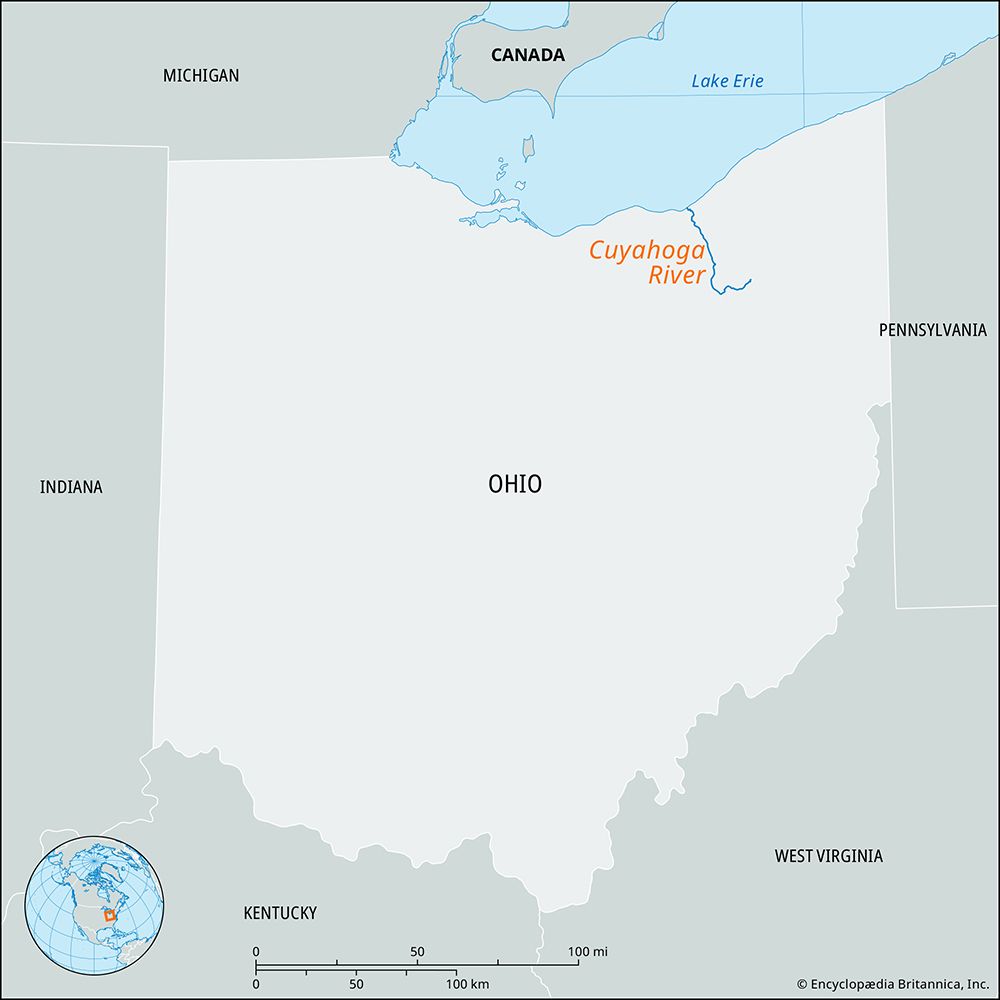
By the late 1970s, the implementation of robust antipollution measures had already resulted in substantial improvements to the river’s condition. These initiatives were part of a broader shift toward environmental accountability that helped transform the waterway from a symbol of industrial neglect into a protected natural asset. Today, the river flows through the Cuyahoga Valley National Park, which preserves the valley’s forests, wetlands, and historic sites, serving as a testament to the success of these long-term restoration and conservation efforts.1
How did the Cuyahoga River contribute to the industrial growth of Cleveland in the 19th and early 20th centuries?
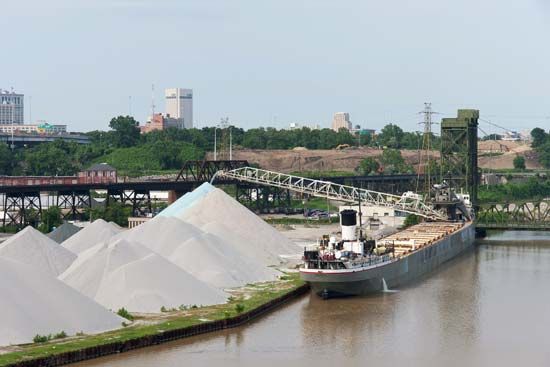
The Cuyahoga River was instrumental in transforming Cleveland into a major industrial hub during the 19th and early 20th centuries. Its role as a commercial artery began in 1827 with the opening of the Cleveland-to-Akron section of the Ohio and Erie Canal, which established the region as a vital center for transportation.1
The river’s strategic location at the mouth of Lake Erie allowed it to serve as a primary transshipment point. Following the 1855 opening of the Soo Canal, which connected Lake Superior and Lake Huron, Cleveland became a critical hub for the movement of iron ore, copper, and lumber, as well as coal and farm produce.3
This logistical advantage, bolstered by the expansion of railroads in the 1850s, provided the foundation for rapid industrial growth. The riverfront supported the rise of heavy industries, including steelmaking, metals fabrication, chemical manufacturing, and oil refining—the latter notably exemplified by John D. Rockefeller’s founding of Standard Oil in the city. By the early 20th century, the river’s lower reaches, known as the “Flats,” had become the heart of this industrial activity.13
What recreational activities are now possible on the Cuyahoga River that weren’t before its cleanup?
Following the significant cleanup efforts that began in the late 1970s, the Cuyahoga River has transitioned from a severely polluted industrial waterway into a vibrant center for recreation. While the provided search results do not explicitly list every specific activity that was impossible prior to the cleanup, the establishment of the Cuyahoga Valley National Park highlights the modern recreational landscape that now thrives in the river valley.
Today, visitors can engage in a variety of outdoor pursuits that reflect the river’s improved ecological health:
- Hiking and Biking: The park features over 125 miles of trails, most notably the Ohio and Erie Canal Towpath Trail, which allows for extensive exploration of the river corridor.1
- Scenic Tours: The Cuyahoga Valley Scenic Railroad provides tours along the historic 1880 railroad route, offering views of the restored landscape.1
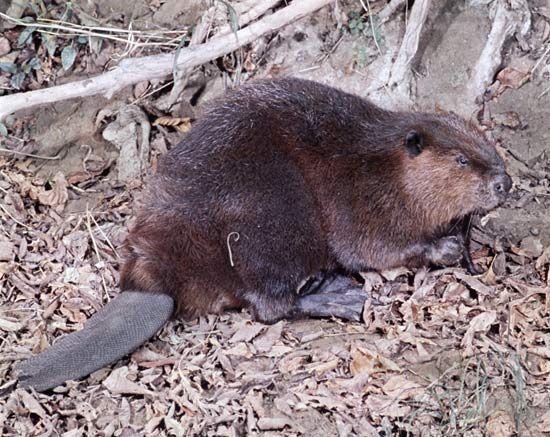
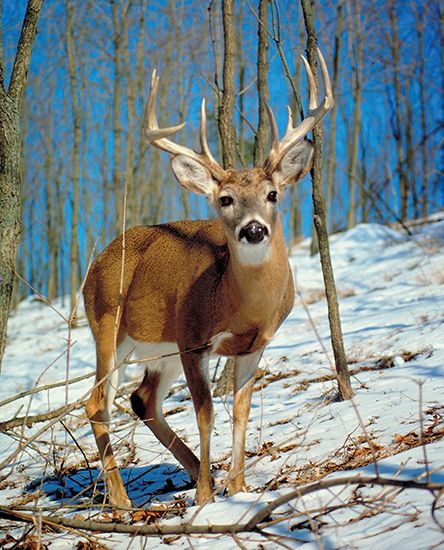
- Nature Observation: The improved water quality supports a diverse range of wildlife, including white-tailed deer, beavers, and various bird species, making the area a destination for nature enthusiasts.1
Sources
- Cuyahoga River — Encyclopædia Britannica
- Cuyahoga Falls — Encyclopædia Britannica
- Cleveland — Encyclopædia Britannica
Published on · 3 min read